Blog
The Health Effects of Smoking in Canada: Comprehensive 2026 Guide

Smoking is the leading cause of preventable death in Canada. It causes over two dozen diseases, including lung cancer, heart disease, and COPD. Tobacco use contributes to approximately 48,000 deaths annually, impacting nearly every organ system in the human body.
Tobacco and Your Body: A Systemic Overview
Smoking health Canada statistics indicate that tobacco remains a primary public health concern. When you inhale cigarette smoke, your body absorbs a complex mixture of chemicals. This includes nicotine, tar, and carbon monoxide. These substances enter the bloodstream and travel to every organ.
Health Canada reports that tobacco smoke contains over 7,000 chemicals. At least 70 of these are known to cause cancer. Smoking is the greatest cause of poor health in Canada and other industrialized nations. It does not just affect the lungs. It alters the chemistry of your blood and damages the lining of your arteries.
The addiction to nicotine is powerful. This chemical reaches the brain within seconds. It creates a temporary sense of relaxation while simultaneously increasing your heart rate and blood pressure. Over time, this cycle leads to permanent damage.
Cancer Risks: Beyond the Lungs
Lung cancer is the leading cause of death due to cancer in Canada. Cigarette smoking causes approximately 85% of all new cases. The tobacco smoke causes genetic changes in the cells of the lung. These mutations lead to the uncontrolled growth of tumors.
However, tobacco use is linked to many other cancers. These include:
- Respiratory and Upper Digestive Tract Cancers: This covers cancer of the mouth, throat (pharynx), and voice box (larynx).
- Internal Organ Cancers: Smokers face a higher risk for cancers of the esophagus, bladder, stomach, kidney, and pancreas.
- Leukemia: Tobacco use is a known risk factor for acute myeloid leukemia.
For female smokers, there is a distinct risk of cervical cancer. The toxins from cigarettes travel through the bloodstream and can be found in the cervical mucus of smokers. This weakens the local immune response to infections like HPV.
Respiratory Diseases and Chronic Conditions
Chronic Obstructive Pulmonary Disease (COPD) is a major respiratory disease caused by smoking. It is a long term condition that makes it hard to breathe. COPD includes emphysema and chronic bronchitis.
In Canada, smoking is the cause of most COPD cases. Emphysema destroys the air sacs in the lungs. This prevents oxygen from reaching the blood effectively. Chronic bronchitis causes the bronchial tubes to become inflamed. This results in a persistent cough with phlegm.
Smokers often experience symptoms like:
- Persistent coughing.
- Frequent wheezing.
- Dyspnea or shortness of breath.
- Excess mucus production.
These conditions are often progressive. This means they get worse over time if the individual continues to smoke. Even asthmatic bronchitis is exacerbated by tobacco use. It leads to more frequent and severe attacks.
Cardiovascular Diseases: Heart and Stroke
Cardiovascular diseases are a leading cause of death for Canadians who smoke. Cigarette smoking increases the risk of heart attacks and angina. These are also known as coronary heart diseases.
The nicotine in tobacco causes blood vessels to narrow. This forces the heart to work harder. Carbon monoxide reduces the amount of oxygen that the blood can carry. Together, these factors lead to:
- Heart Disease and Stroke: Smokers are significantly more likely to suffer a stroke or a heart attack.
- Peripheral Vascular Disease: This involves the narrowing of blood vessels in the legs and arms. It can lead to severe pain and gangrene.
- Aortic Aneurysm: Smoking weakens the wall of the main artery in the body.
The Heart and Stroke Foundation of Canada emphasizes that quitting smoking is the most important step for heart health. Within one year of quitting, the risk of a smoking related heart attack is cut in half.
Smoking During Pregnancy and Postpartum
Quitting smoking during pregnancy and postpartum is essential for the health of both the mother and the baby. Nicotine and carbon monoxide cross the placenta. This restricts the baby’s supply of oxygen and nutrients.
Smoking during pregnancy increases the risk of:
- Low birth weight.
- Premature birth.
- Stillbirth.
- Miscarriage.
The risks continue after the baby is born. Infants exposed to smoke are at a higher risk of Sudden Infant Death Syndrome (SIDS). They also have a higher chance of developing asthma and ear infections. Health Canada provides specific resources for prenatal and postnatal smoking cessation.
Environmental Risks: Second-hand and Third-hand Smoke
Second-hand smoke is the combination of smoke from a burning cigarette and the smoke exhaled by a smoker. It contains the same toxic chemicals as the smoke inhaled by the smoker. There is no safe level of exposure to second-hand smoke.
In Canada, second-hand smoke exposure in the home or workplace is a serious health hazard. It causes lung cancer and heart disease in non-smokers. It is also a major cause of respiratory illnesses in children.
Third-hand smoke is a newer area of study. This refers to the residual nicotine and other chemicals left on indoor surfaces by tobacco smoke. These toxins cling to carpets, walls, and clothes. They can react with common indoor pollutants to create even more dangerous substances. This poses a particular risk to toddlers who crawl on floors and touch furniture.
Smokeless Tobacco and Vaping Alternatives
Some people believe that smokeless tobacco is a safe alternative to cigarettes. This is a misconception. Smokeless tobacco still contains nicotine and many carcinogens. It is a major cause of oral cancers and gum disease.
Vaping is another common alternative. While e-cigarettes may be less harmful than traditional cigarettes, they are not risk free. Most e-cigarettes contain nicotine. This is highly addictive. There are also concerns about the long term effects of inhaling the chemicals found in vaping aerosols.
Health Canada regulates these products under the Tobacco and Vaping Products Act (TVPA). This law aims to protect youth from nicotine addiction while providing adults with options for harm reduction.
The Economic Burden on Canada
The health effects of smoking in Canada create a massive economic burden. Tobacco use costs the Canadian economy billions of dollars every year. These costs include:
- Healthcare Costs: Treating smoking related diseases like cancer and heart disease.
- Productivity Loss: Lost wages due to illness and premature death.
- Environmental Costs: The impact of cigarette butt litter and tobacco farming.
While the government collects tax revenue from tobacco sales, this income does not cover the total cost to society. Public health initiatives focus on reducing smoking prevalence to lower these economic impacts.
Quitting Smoking: Benefits and Resources
The benefits of quitting smoking start almost immediately. Within 20 minutes, your heart rate and blood pressure drop. Within 48 hours, your sense of smell and taste improve.
There are many Quit Smoking Aids available in Canada. These include:
- Nicotine Replacement Therapy (NRT): Patches, gum, and lozenges.
- Prescription Medications: Drugs that help reduce cravings.
- Counseling Services: Support groups and quitlines.
The “Tobacco: Behind the Smoke” animation series by Health Canada offers a scientific look at how the body heals after quitting. Quitting smoking is a journey. Most people require several attempts before they quit for good. Every attempt is a step closer to a healthier life.
FAQ: Smoking Laws and Facts in Canada
What is the current smoking age in Canada 2026?
The federal legal age to purchase tobacco and vaping products is 18. However, most provinces like Ontario and British Columbia have set the age at 19.
Has smoking decreased in Canada?
Yes. Smoking rates have decreased significantly over the last three decades. However, millions of Canadians still smoke regularly.
Does smoking affect health insurance?
Yes. Smokers in Canada typically pay higher premiums for life and health insurance. This is due to the higher statistical risk of chronic disease.
Are there smoking bans in Canadian long term care homes?
Yes. Most provinces, including Ontario, have strict regulations regarding smoking in long term care facilities to protect residents from second-hand smoke.
What are the laws for smoking in cars with children?
In Canada, it is illegal to smoke in a car when children are present. This law protects minors from the concentrated toxins in a small space.
Related Articles
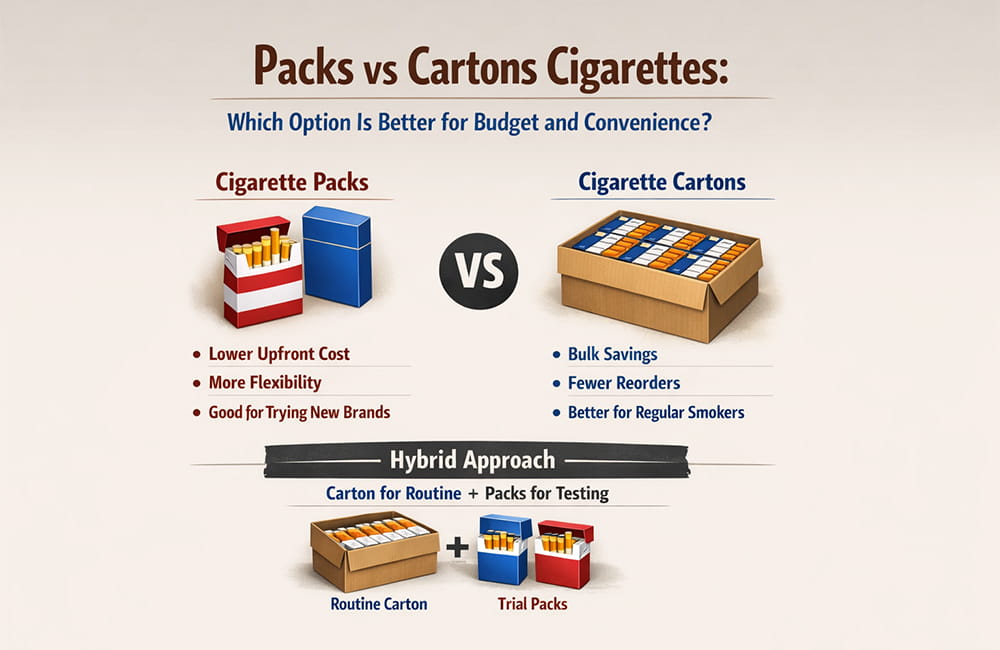
Packs vs Cartons Cigarettes: Which Option Is Better for Budget and Convenience?
Introduction If you regularly buy cigarettes, one of the most practical decisions you make is not just what brand to
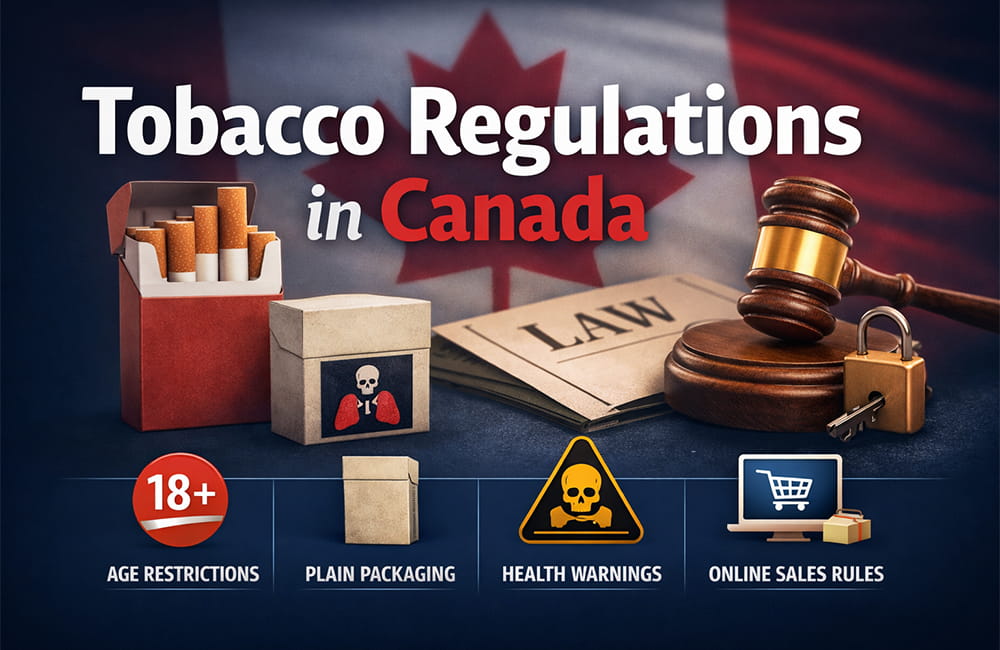
Tobacco Regulations in Canada: What Consumers and Online Buyers Need to Know
Introduction Tobacco regulations in Canada are among the strictest in the world, designed to balance public health goals with legal

Buying Cheap Cigarettes Online in Ontario: How to Compare Stores, Discounts, and Legal Restrictions
Introduction Buying Cheap Cigarettes Online in Ontario has become more common as shopping online has changed almost everything—except the fact