Blog
Essential Guide Cigarette Prices and Laws in Canada
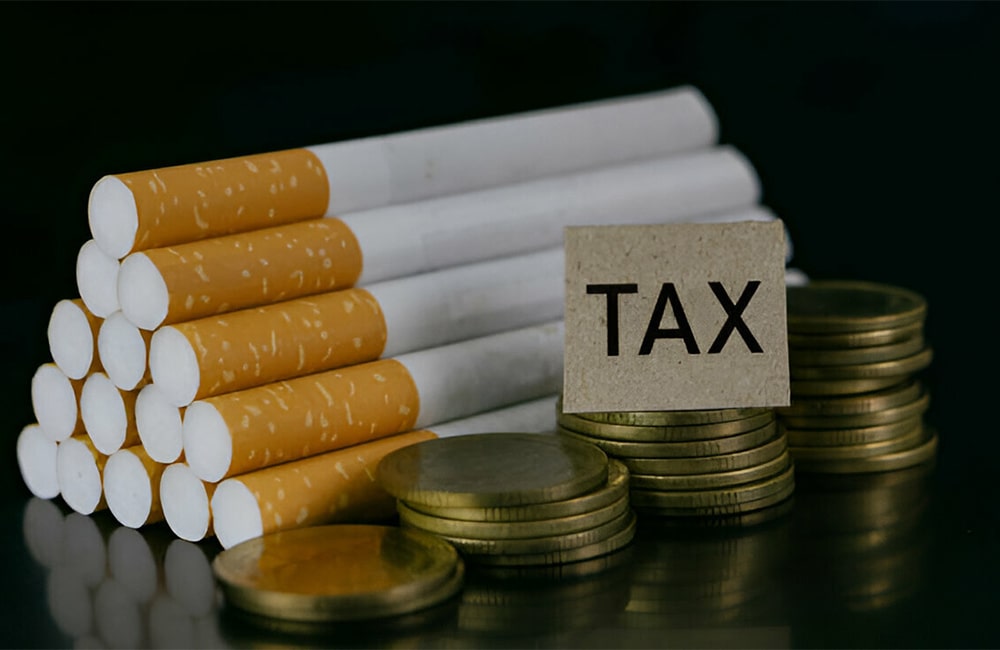
Cigarette prices in Canada have become a hot topic in recent years as the country continues its efforts to promote public health. From hefty provincial taxes to strict advertising laws, there are numerous factors that influence the cost and availability of cigarettes nationwide. Whether you’re a smoker curious about pricing trends or someone interested in how Canada tackles tobacco laws, understanding the framework is key. Let’s break down the numbers and regulations to better understand how cigarette prices and laws are shaping up in Canada.
Cigarette Pricing Trends in Canada
Cigarette prices in Canada have been climbing steadily over the years, influenced largely by government policies aimed at reducing smoking rates. The cost of a pack of cigarettes can range from around $10 to $20 or more, depending on the province. This wide price range is largely driven by efforts to make tobacco products less accessible, especially to young people.
Research shows that higher prices are one of the most effective ways to curb smoking. Tobacco products have been subject to increasing taxes, resulting in some of the highest cigarette prices in the world. This aggressive pricing strategy aligns with Canada’s public health goals to reduce smoking rates to below 5% by 2035.
But what’s driving these rising costs? Let’s look at the key factors that influence cigarette prices in Canada.
Factors Influencing Cigarette Prices in Canada
1. Tobacco Taxes
The biggest driving force behind cigarette prices in Canada is taxation. Both federal and provincial governments impose significant taxes on tobacco products. These taxes are designed not only as a source of revenue but also as a deterrent to smoking.
At the federal level, excise taxes are applied to cigarettes, cigars, and other tobacco products. On top of this, each province adds its own layer of taxation. For example, provinces like British Columbia and Ontario apply additional tobacco taxes, which further increase the price of a pack of cigarettes.
2. Regulations and Production Costs
Cigarette manufacturing is tightly regulated in Canada. Health warnings, plain packaging requirements, and quality standards all add to the cost of production. While these measures are intended to focus on public health, they inevitably trickle down to consumers in the form of higher prices.
Furthermore, the requirement for plain packaging as mandated by Canadian law has altered production costs for tobacco companies, who must adhere to uniform labeling. Although the goal is to discourage brand loyalty and reduce smoking, these changes have added to the operational expenses for manufacturers.
3. Provincial Differences
Pricing in Canada varies significantly by province because of the different tax rates and cost of living. For example, cigarette prices in Quebec tend to be lower compared to British Columbia, where taxes are among the highest. These provincial variations create a patchwork of pricing across the country.
Comparing cigarette prices across provinces helps illustrate how much of an impact these taxes and regulations can have. Speaking of which, let’s explore this in more detail.
Comparing Cigarette Prices Across Canadian Provinces
The price of cigarettes in Canada fluctuates dramatically depending on where you buy them. Here’s a closer look at some provincial differences:
- British Columbia: If you’re in British Columbia, expect to pay more for cigarettes. The province imposes some of the highest tobacco taxes in the country, driving the average price of a pack well above $15. These high rates are part of B.C.’s commitment to reducing smoking through heavy taxation.
- Ontario: Prices in Ontario are slightly lower compared to B.C., with packs averaging closer to $12-$14. This is still significantly higher than many international benchmarks, but Ontario’s tax structure keeps it lower than some neighboring provinces.
- Quebec: Quebec remains one of the more affordable provinces for cigarette buyers, with prices averaging around $10-$12. While the province supports anti-smoking efforts, it has historically had lower tax rates compared to other provinces.
- Alberta and Saskatchewan: These provinces adopt mid-range pricing for cigarettes, with Saskatchewan often leaning higher due to gradual increases in provincial excise taxes.
- Atlantic Provinces: Tobacco taxes in regions like Nova Scotia and Newfoundland and Labrador are among the highest in the country. Smokers in these areas often face prices exceeding $15 per pack.
While these differences might seem minor at first glance, they add up for regular smokers. Coupled with Canada’s health-focused legal policies, these price differences hint at a larger, nationwide strategy to discourage smoking.
Tobacco Laws in Canada
Cigarette prices are just one part of Canada’s approach to tobacco control. The country has also implemented some of the strictest tobacco laws in the world. These laws encompass everything from where you can smoke to how cigarettes are sold and advertised. Here’s what you should know:
1. Sales Restrictions
Canadian law prohibits the sale of tobacco products to anyone under the age of 18 nationwide, with some provinces imposing even stricter age limits. Retailers are required to verify the age of customers purchasing cigarettes, and failure to comply can result in hefty fines.
Additionally, cigarettes cannot be sold in pharmacies, health care facilities, or vending machines. These measures are aimed at limiting accessibility and preventing impulse purchases.
2. Plain Packaging Laws
Since 2019, all tobacco products in Canada are required to be sold in plain packaging. Brightly colored logos, eye-catching fonts, and other promotional branding are banned. Instead, cigarette packs must feature uniform brown packaging with large, graphic health warnings.
Plain packaging laws make it harder for cigarette companies to market their products, reinforcing the message that there’s nothing glamorous about smoking.
3. Advertising and Promotion
Canada has some of the strictest advertising rules for tobacco products. Advertising is banned outright in almost all forms, including TV, radio, print, and online. Companies can only display their brands in authorized retail locations, and even there, the products must remain hidden from public view.
This is why you won’t see flashy cigarette ads in Canada, unlike in some other countries.
4. Smoking Bans
Smoking bans are another pillar of Canada’s tobacco control strategy. Smoking is prohibited in all indoor public spaces and workplaces, as well as in shared living spaces like apartments. Several provinces have expanded these bans to include outdoor spaces, such as parks and playgrounds.
The Path Forward for Cigarette Laws and Prices
Canada’s approach to tobacco control is multi-faceted, combining high taxes, strict regulations, and public education campaigns. These strategies are not just about increasing cigarette prices—they’re about safeguarding public health and preventing new generations from picking up smoking.
At the same time, these laws have sparked ongoing debates. Critics argue that higher prices can lead to an increase in contraband tobacco, particularly in border regions or provinces with significant price disparities. Advocates, on the other hand, believe that every dollar spent on tobacco taxes is a step closer to a healthier Canada.
Related Articles
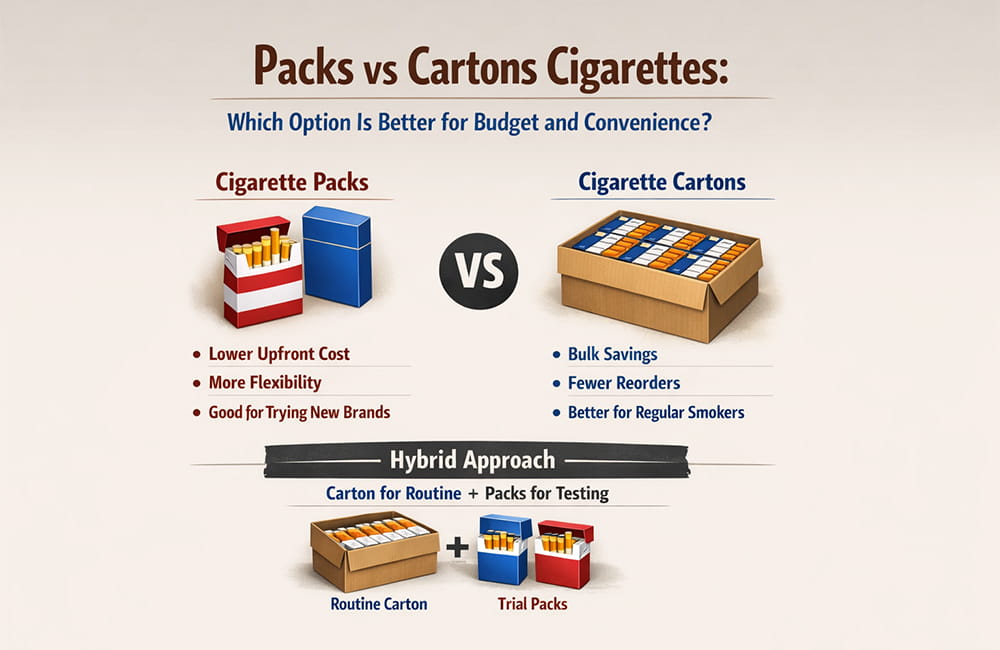
Packs vs Cartons Cigarettes: Which Option Is Better for Budget and Convenience?
Introduction If you regularly buy cigarettes, one of the most practical decisions you make is not just what brand to
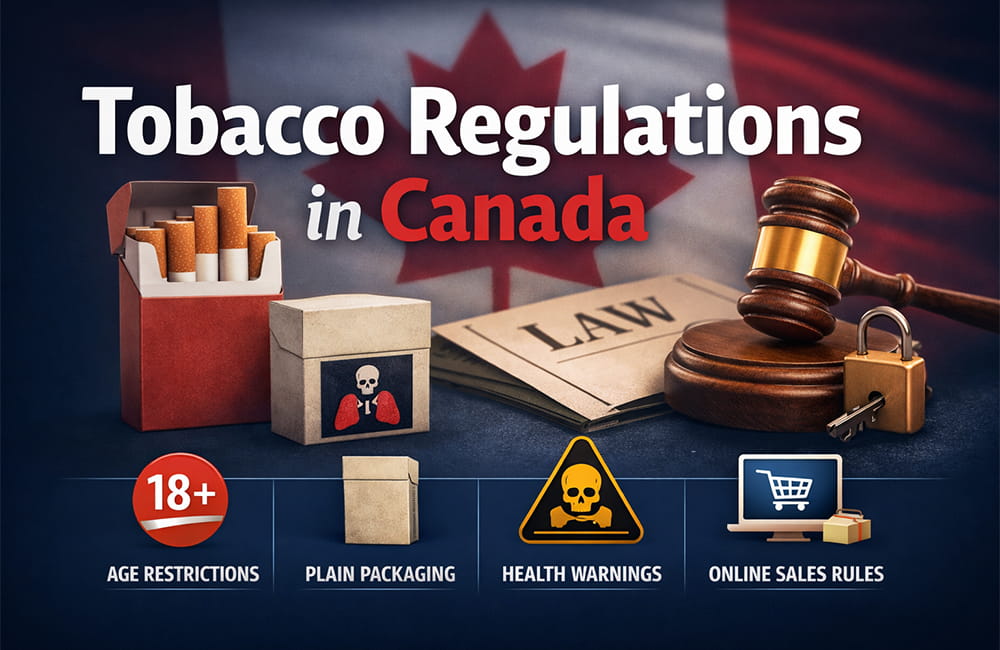
Tobacco Regulations in Canada: What Consumers and Online Buyers Need to Know
Introduction Tobacco regulations in Canada are among the strictest in the world, designed to balance public health goals with legal

The Health Effects of Smoking in Canada: Comprehensive 2026 Guide
Smoking is the leading cause of preventable death in Canada. It causes over two dozen diseases, including lung cancer, heart disease, and COPD. Tobacco use contributes to approximately 48,000 deaths annually, impacting nearly every organ system in the human body.