Blog
Art and Smoke: The Intense Bond with Creativity
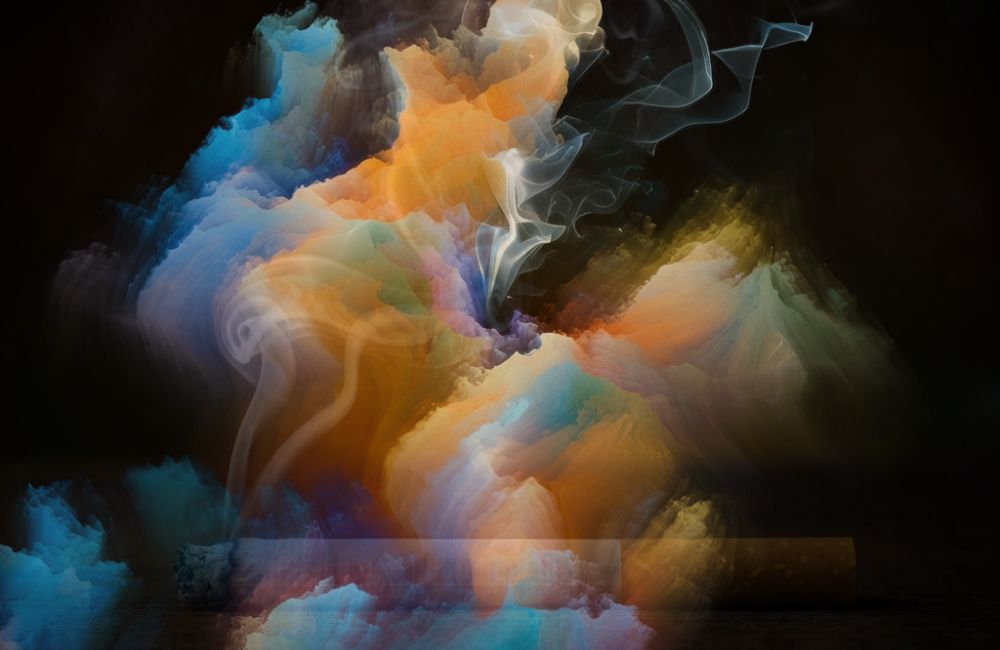
Throughout history, art and smoke have captivated creators and audiences alike with their fascinating relationship. Smoke’s physical attributes and deep symbolism have influenced painting, photography, performance art, and modern installations. Its ephemeral nature—how it dances, dissipates, and morphs into infinite forms—offers endless creative possibilities. This blog explores how art and smoke intertwine, serving as both inspiration and medium for artistic expression.
Smoke in Art History
For centuries, artists have embraced smoke in creative expression. Ancient rituals integrated smoke as both a spiritual and artistic element. Cultures from ancient Egypt to medieval Europe burned incense during religious ceremonies, using fragrant smoke to connect with the divine. This act created atmospheric backdrops that blended scent, movement, and ambiance into a multi-sensory art form.
Traditional Japanese and Chinese art also embraced smoke-like imagery. Ink paintings often depicted rising mist or smoke through delicate brushstrokes, symbolizing life’s fleeting nature. This artistic focus on impermanence reveals the spiritual themes that dominate much of Asian art. Art and smoke, with their shared transience, captured a deep sense of beauty and meaning.
Western art also incorporated smoke as a symbol of transformation and mystery. During the Industrial Revolution, artists portrayed smoky skies to reflect modernization, while Romantic painters like J.M.W. Turner used steamboats surrounded by haze to evoke drama and wonder. For these artists, art and smoke worked as a narrative device, drawing viewers into their imaginative worlds.
The Symbolism of Smoke
Smoke offers rich symbolism in art, embodying change, mystery, and impermanence. Like creativity, it’s tangible yet elusive—viewers can see it but can’t hold onto it. This paradox makes smoke a compelling subject for artists who want to explore freedom, chaos, or transcendence.
Surrealists like René Magritte integrated smoke into their work to create dreamlike intrigue. Magritte’s creations, with their swirling smoke-like elements, invited viewers to ponder the unexpected and explore the subconscious. Through these surreal interpretations, art and smoke encouraged curiosity and offered layers of meaning.
Modern photographers also use smoke to amplify mystery and drama. They manipulate light and color to play with its fluid shapes, capturing moments that transform ordinary images into extraordinary works. A single plume of smoke curling in the air can elevate a photograph, showcasing how deeply art and smoke enhance visual storytelling.
Smoke as a Medium for Creativity
Some artists don’t just depict smoke—they use it as their medium. This innovative take on art and smoke pushes creative boundaries. Ancient China’s invention of fireworks marked one of the earliest collaborations between fire, smoke, and artistic celebration. These pyrotechnic displays turned fleeting puffs of smoke into mesmerizing visual performances.
Contemporary artists have expanded upon this concept. Cai Guo-Qiang, a Chinese artist, incorporates gunpowder and smoke into his installations. He transforms explosions into vivid masterpieces, crafting fiery dragons or ephemeral clouds that vanish into the air. His work highlights the raw, fleeting power of art and smoke, ensuring that both medium and message remain inseparable.
Photographer Terry Plunkett takes a different approach. He captures smoke trails mid-drift and enhances them with vibrant colors, preserving the fleeting moments in permanent art pieces. Artists like Cai and Plunkett demonstrate how art and smoke can move beyond symbolic representation to take center stage as a creative force.
Smoke and Creativity in Modern Media
Beyond fine art, smoke continues to inspire modern media. Filmmakers, musicians, and stage performers harness its visual and emotional impact to evoke powerful responses. Billowing fog fills concert stages, while haze blurs the line between reality and illusion in films, creating dreamlike atmospheres that draw audiences in.
Filmmakers like Ridley Scott and Christopher Nolan rely on smoke to heighten the visual impact of their settings. Films like Blade Runner and Interstellar utilize smoky environments to create futuristic or otherworldly vibes. Their deliberate use of art and smoke directs viewers’ attention and enhances their emotional engagement with the story.
Music videos and live performances also showcase smoke, using it to establish tone and amplify narratives. Fog machines envelop rock bands during intense concerts, and ethereal performers like Björk use haze to construct atmospheric tales. Smoke doesn’t just fill the stage—it becomes an active part of the storytelling process, connecting audiences to the performance on a deeper level.
How Smoke Encourages Creative Thinking
Smoke’s influence on creativity extends beyond its physical properties. Many cultures and traditions link smoke to heightened states of consciousness, using it in meditation or rituals to clear the mind and inspire thought. Watching smoke move hypnotically fosters relaxation and unblocks creativity, allowing artists to innovate and thrive.
Historically, many creators, from poets to painters, recognized the link between art and smoke. Writers with pipes or artists like Pablo Picasso holding cigarettes became iconic images of mid-20th-century creativity. While health concerns have since discouraged these habits, the imagery endures as a cultural symbol, blending lifestyle with the act of creation.
Modern artists have expanded this idea, using smoke in ceremonial or experimental ways to unlock their imaginations. For many, the visual appeal of smoke serves as a tangible reminder of the fleeting nature of thought itself—a wisp of brilliance that disappears if not captured in time.
Movements That Celebrate Smoke Art
Smoke-inspired creativity has shaped entire art movements. The Fluxus movement in the 1960s, for instance, embraced smoke as a symbol of transformation. Artists like Yoko Ono incorporated smoke into performance art, bending conventions and exploring themes of creation and destruction. Through these experiments, art and smoke unveiled a transient kind of beauty.
Street art has adopted smoke in bold, unexpected ways. Artists like Banksy use smoke bombs in public installations to enhance their visual storytelling. For Banksy, smoke adds urgency and drama to his politically charged pieces, pushing the boundaries between art and protest.
These examples reveal how smoke art extends beyond individual works—it defines movements and inspires collective action. Its transient nature mirrors life’s fleeting beauty, reminding artists and audiences to appreciate the moment before it disappears.
Global Fascination with Art and Smoke
The bond between art and smoke transcends time, geography, and culture. From traditional practices to experimental installations, smoke has left a lasting impact. Its fluid, shifting traits captivate artists, inspiring creations that defy boundaries and awaken new perspectives.
Even as technology reshapes the artistic landscape, many creatives return to smoke for its primal, universal appeal. Art and smoke speak in a language that resonates with everyone—taking audiences on sensory, emotional, and even spiritual journeys. These timeless qualities ensure smoke’s continued relevance in the arts, from ancient rituals to futuristic experiments.
Conclusion
The connection between art and smoke embodies creativity, symbolism, and transformation. Artists across centuries have harnessed its beauty, impermanence, and depth to evoke powerful responses in their work. Whether serving as muse, medium, or metaphor, smoke offers endless inspiration for those willing to explore its potential.
Next time you see a trail of smoke curling into the air, pause and watch it closely. You might glimpse the same artistry that has captivated human creativity for generations. Art and smoke, transient yet unforgettable, remind us of creativity’s power to transform and transcend.
Related Articles
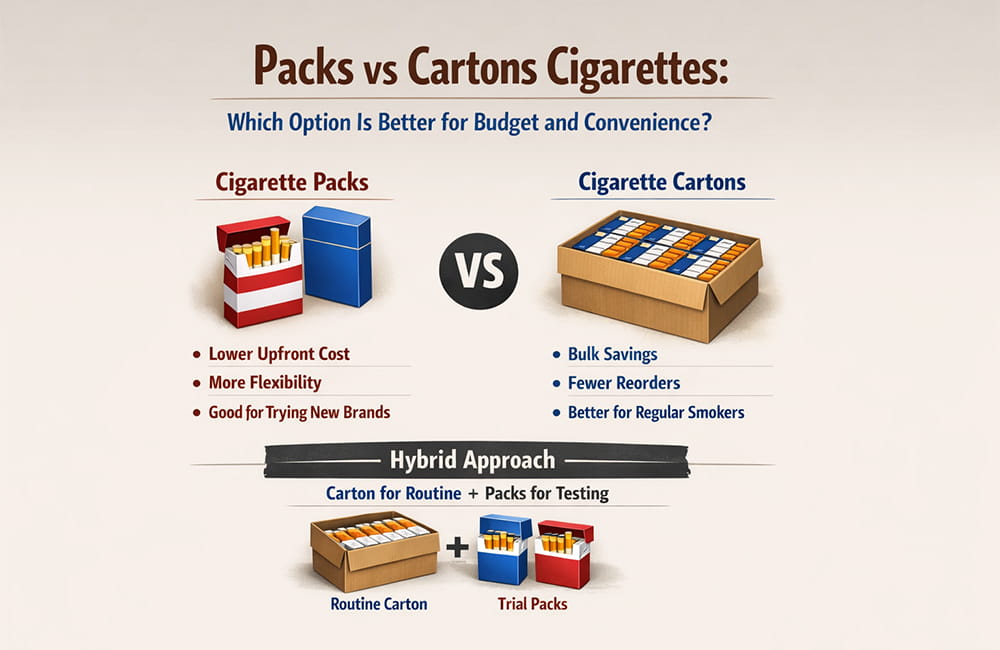
Packs vs Cartons Cigarettes: Which Option Is Better for Budget and Convenience?
Introduction If you regularly buy cigarettes, one of the most practical decisions you make is not just what brand to

Tobacco Regulations in Canada: What Consumers and Online Buyers Need to Know
Introduction Tobacco regulations in Canada are among the strictest in the world, designed to balance public health goals with legal

The Health Effects of Smoking in Canada: Comprehensive 2026 Guide
Smoking is the leading cause of preventable death in Canada. It causes over two dozen diseases, including lung cancer, heart disease, and COPD. Tobacco use contributes to approximately 48,000 deaths annually, impacting nearly every organ system in the human body.