Blog
What’s the Profound Impact of Cannabis on Mental Health?
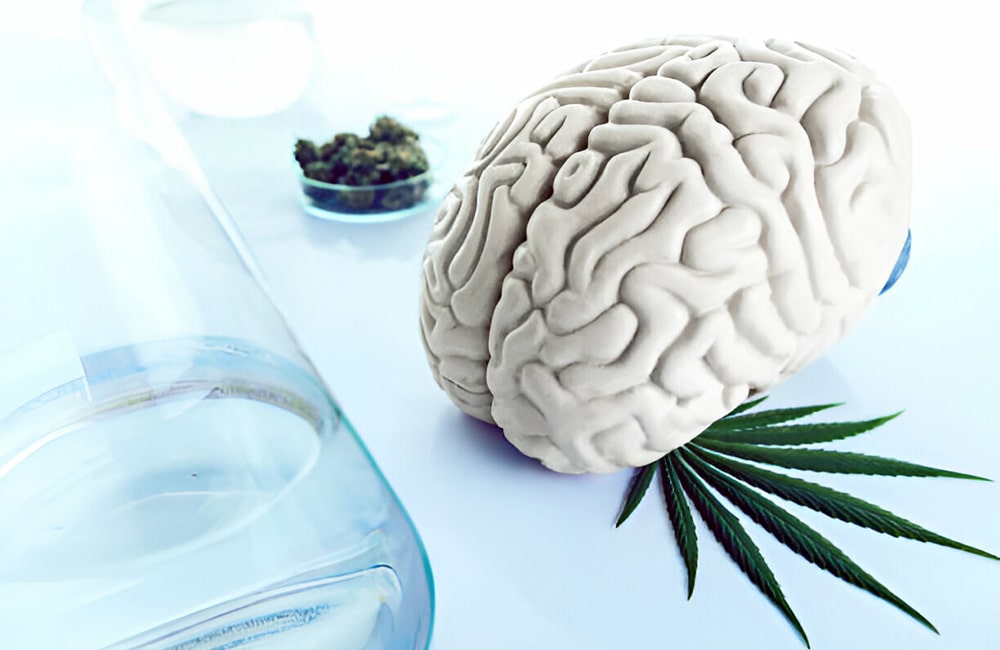
Cannabis has long sparked debates among scientists, healthcare providers, and society at large. With legalization expanding worldwide, there’s a growing curiosity about how this plant interacts with our mental well-being. Does cannabis help alleviate stress and anxiety, or does it potentially contribute to longer-term mental health issues? The answer isn’t one-size-fits-all, as cannabis can profoundly affect mental health in both positive and not-so-positive ways, depending on how it’s used. Let’s explore the effects of cannabis on mental health, including how cannabis interacts with the brain, its impact on conditions like anxiety, depression, and PTSD, and the need for responsible use.
Cannabis on Mental Health: An Intricate Relationship
Cannabis contains over 100 compounds, known as cannabinoids, with THC (tetrahydrocannabinol) and CBD (cannabidiol) being the most widely studied. These compounds interact with the endocannabinoid system in our body—a network of receptors that plays a significant role in regulating mood, sleep, appetite, and memory.
When consumed, THC binds to cannabinoid receptors in the brain, creating the well-known “high” linked to feelings of euphoria and relaxation. Meanwhile, CBD, which doesn’t produce psychoactive effects, has been explored for its potential calming and anti-inflammatory properties. Understanding the interaction of cannabis on mental health begins with this intricate relationship between cannabinoids and the human brain. It reveals both the benefits and risks cannabis presents to overall mental well-being.
The Effects of Cannabis on the Brain
To fully grasp the effects of cannabis on mental health, we need to consider how it influences the brain specifically. When THC enters your bloodstream and reaches the brain, it interacts with two primary areas:
- The Amygdala: This part of the brain processes emotions like fear and anxiety. THC can temporarily reduce feelings of stress but, in higher doses, may overstimulate the amygdala and increase feelings of paranoia.
- The Prefrontal Cortex: Responsible for decision-making and impulse control, the prefrontal cortex can become impaired with heavy THC use, leading to difficulty concentrating or making sound decisions.
These effects can vary significantly based on individual factors like genetics, frequency of use, and dosage. While some people may feel relaxed and uplifted, others might experience increased anxiety or mood swings. It becomes clear that the impact of cannabis on mental health goes beyond a straightforward narrative—it heavily depends on the individual and circumstances.
Cannabis for Anxiety and Depression
Cannabis is often discussed as a potential aid for those dealing with anxiety or depression. Understanding its role here requires weighing both its potential upsides and downsides.
The Bright Side
- Anxiety Relief: A low dose of THC or CBD may help ease the mind by calming nerves. Studies have shown that CBD, in particular, interacts with serotonin receptors in the brain, which are linked to mood regulation. For instance, a 2019 study suggested that CBD might help reduce anxiety in people with social anxiety disorders.
- Mood Improvement: For individuals battling depression, cannabis may provide temporary relief. Some report feelings of euphoria, joy, and heightened creativity after use. This can help break the cycle of negative thought patterns for some.
The Potential Downsides
- Heightened Anxiety: While a small amount of cannabis can relax, consuming too much—especially strains high in THC—can have the opposite effect. Users may experience panic attacks, heightened stress, or paranoia.
- Worsening Depression: For some, cannabis might serve as an emotional crutch, masking deeper feelings rather than addressing them. Long-term heavy use has been linked in some studies to a greater risk of depressive symptoms, particularly in younger users.
Balancing these factors is crucial, and any effort to explore the effects of cannabis on mental health must acknowledge the potential risks alongside its promises.
Cannabis and PTSD
For individuals with post-traumatic stress disorder (PTSD), cannabis has been both embraced and questioned as a treatment option.
- Potential for Relief: PTSD sufferers often experience nightmares, flashbacks, and chronic stress. Cannabis may reduce the frequency of these episodes. For example, studies suggest that cannabinoids could help by modulating the fear response in the brain, helping individuals feel more in control.
- Scientific Caution: Despite these promising findings, experts urge caution. People with PTSD are at higher risk of dependency or over-reliance on cannabis to manage their symptoms. Therapy and professional support remain critical in any PTSD treatment plan.
The conversation surrounding cannabis on mental health, including its role in PTSD treatment, has become especially important as more individuals seek alternatives to traditional medications.
The Balance Between Benefits and Risks
When addressing the influence of cannabis on mental health, it’s necessary to discuss the risks as much as the benefits. While certain individuals may find comfort and relief, cannabis isn’t without potential consequences.
Risk of Dependency
Approximately 1 in 10 cannabis users is estimated to develop a dependency. This rises to 1 in 6 for those who start using before age 18. Dependence can lead to withdrawal symptoms like irritability, sleep disturbances, and mood swings when cannabis is unavailable.
Impact on Young Brains
The developing brains of teenagers and young adults are particularly vulnerable to cannabis’s effects. Regular use at a young age has been linked to a higher likelihood of mental health conditions such as schizophrenia or psychosis in predisposed individuals. This highlights a critical aspect of cannabis on mental health—its potential implications for long-term psychological health.
Psychosis and Schizophrenia
High-THC cannabis has been associated with an increased risk of psychotic episodes, including hallucinations or paranoia. Those with a family history of schizophrenia should exercise extreme caution when using cannabis.
Practicing Responsible Cannabis Use
Given the multifaceted effects of cannabis on mental health, practicing responsible use is vital to mitigate risks. Here are a few tips:
- Start Low, Go Slow: If you’re trying cannabis for the first time, begin with products containing low THC and higher CBD levels. See how your body reacts before increasing your dose.
- Know Your Strains: Different strains yield different effects. Consult with a dispensary professional for advice on strains that promote relaxation without inducing paranoia.
- Avoid Self-Medicating: If you’re experiencing depression, anxiety, or PTSD, reach out to healthcare professionals instead of solely relying on cannabis.
- Moderation is Key: Daily, heavy use may lead to dependency or amplify feelings of anxiety or paranoia. Use cannabis sparingly and situationally.
The discussion about cannabis on mental health often circles back to this idea of balance—advocating for mindful, informed use is critical for long-term well-being.
A Call for Open Conversations
Understanding how cannabis profoundly affects mental health requires more than headlines or anecdotes—it demands balanced, informed conversations. While cannabis may inspire calm or clarity for some, for others, it may lead to complications or exacerbate symptoms. It comes down to individual physiology, the strain used, and the context in which it’s consumed.
The deeper we explore cannabis on mental health, the more we realize it’s not just a medical or scientific question. It’s also deeply personal—and each choice should be guided by proper knowledge and trusted advice.
Related Articles
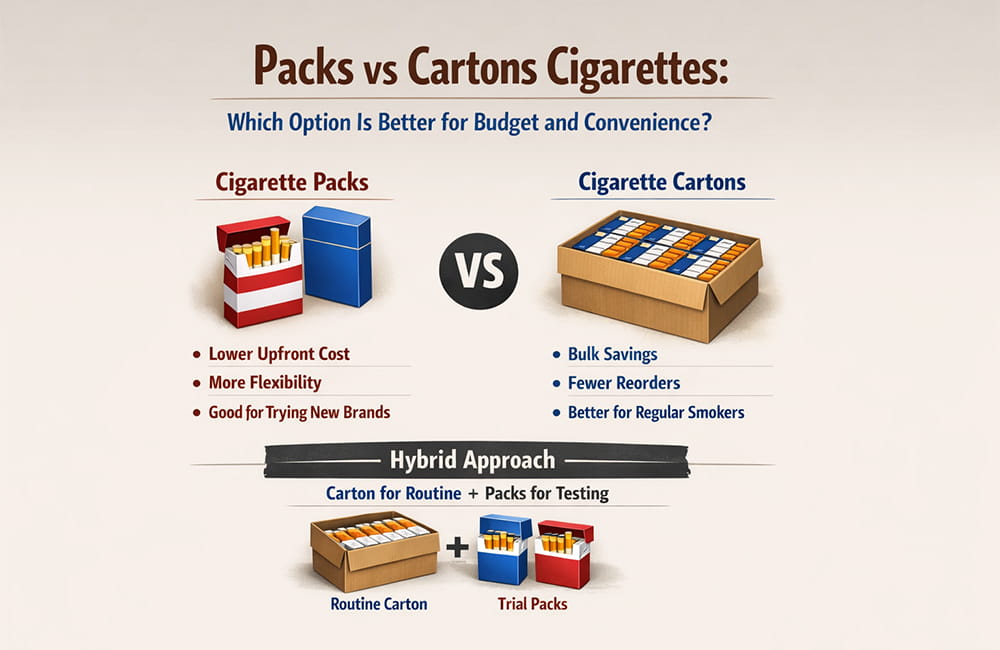
Packs vs Cartons Cigarettes: Which Option Is Better for Budget and Convenience?
Introduction If you regularly buy cigarettes, one of the most practical decisions you make is not just what brand to
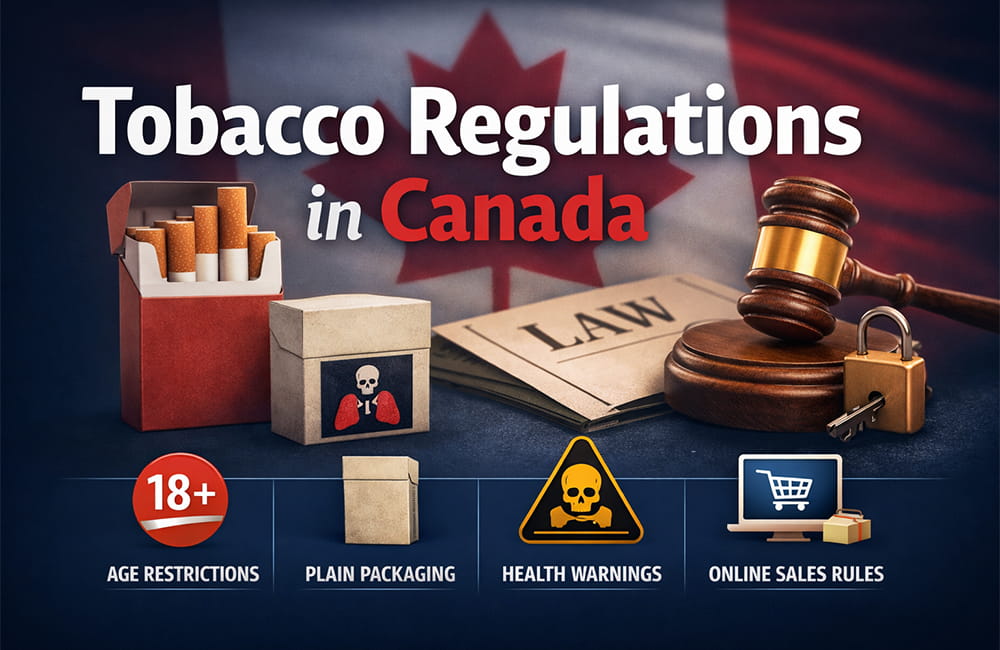
Tobacco Regulations in Canada: What Consumers and Online Buyers Need to Know
Introduction Tobacco regulations in Canada are among the strictest in the world, designed to balance public health goals with legal

The Health Effects of Smoking in Canada: Comprehensive 2026 Guide
Smoking is the leading cause of preventable death in Canada. It causes over two dozen diseases, including lung cancer, heart disease, and COPD. Tobacco use contributes to approximately 48,000 deaths annually, impacting nearly every organ system in the human body.