Blog
Unveiling the Truth: Smoking and Lung Cancer in Canada
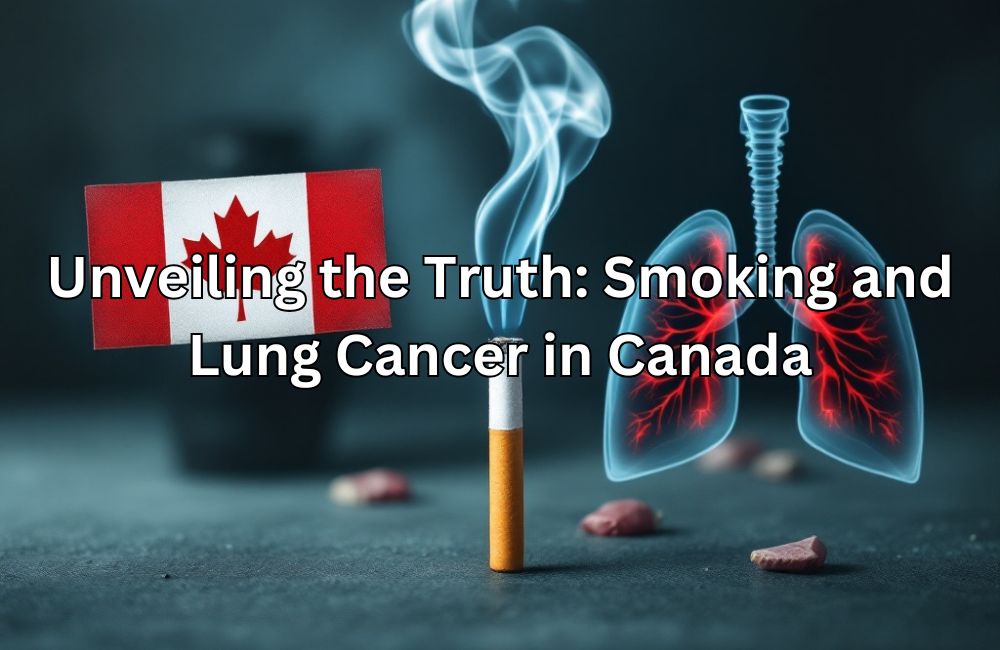
Lung cancer is a significant public health issue in Canada, accounting for thousands of deaths each year. Among the various factors linked to its development, smoking often takes center stage. But is smoking the leading cause of lung cancer in Canada? This blog explores the connection between smoking and lung cancer in Canada, backed by research, statistics, and public health efforts aimed at reducing the disease.
A Brief History of Smoking in Canada
Tobacco smoking has a long history in Canada. Indigenous peoples originally used tobacco for ceremonial purposes. By the 20th century, cigarettes had become a cultural staple, especially after World Wars I and II. Smoking’s glamorous image was fueled by celebrity endorsements and pervasive advertising, with little attention paid to the serious health risks.
However, as early as the mid-1900s, studies began drawing links between smoking and severe health concerns, especially cancer. By the 1960s and 1970s, health campaigns started reshaping perspectives, warning Canadians about the grim realities of smoking. Today, thanks to decades of work, smoking rates have dropped dramatically, but the fight is far from over.
Canadian Smoking Statistics and Trends
Smoking rates in Canada have seen a substantial decline over the last few decades. According to recent data from Statistics Canada, about 13% of Canadians aged 12 and older were current smokers in 2022—down from nearly 50% a few decades ago. This notable progress can be attributed to public health campaigns, strict regulations, and heightened awareness of the risks associated with smoking and lung cancer in Canada.
However, some groups continue to experience higher smoking rates. Young adults aged 20-34, lower-income households, and certain rural or Indigenous communities face disproportionate rates of smoking. These demographic disparities pose challenges in reducing smoking-related illnesses, including lung cancer, across the country.
Smoking and Lung Cancer in Canada – The Unbreakable Link
Smoking and lung cancer in Canada are closely intertwined. The Canadian Cancer Society estimates that 85% of lung cancer cases can be attributed to smoking. Cigarette smoke contains a cocktail of harmful chemicals, including carcinogens like benzene and formaldehyde, which damage lung tissue and increase the risk of genetic mutations over time.
The statistics are staggering. Smokers are estimated to be up to 30 times more likely to develop lung cancer than non-smokers. Even exposure to secondhand smoke greatly increases the risk of lung cancer in non-smokers. These numbers reinforce that the connection between smoking and lung cancer in Canada is not just significant—it’s undeniable.
What’s more, smoking is linked to several other cancers, such as those of the mouth, throat, pancreas, and bladder. Yet lung cancer remains the most prevalent threat associated with smoking.
Are There Other Causes of Lung Cancer?
Although smoking is the leading cause, it’s not the only risk factor for lung cancer. Several other contributors also play a role, including:
- Radon Gas
Radon gas is a naturally occurring radioactive substance found in the soil. It ranks as the second leading cause of lung cancer in Canada. Prolonged exposure to radon, particularly in homes with high levels, poses risks. Provinces like Manitoba, Saskatchewan, and Nova Scotia have flagged areas with elevated radon levels, urging residents to test their spaces. - Air Pollution
Urban air pollution, filled with particulate matter and industrial pollutants, is another contributor to lung cancer. Prolonged exposure can harm the respiratory system, though its impact pales in comparison to smoking and lung cancer in Canada. - Occupational Hazards
Individuals working in industries with carcinogenic substances like asbestos, diesel fumes, or arsenic face a higher risk of lung cancer. These environmental exposures, especially over a long period, compound the overall risk. - Genetics and Family History
Genetics also play a role in lung cancer. A family history or genetic predisposition can increase risk, though smoking remains the overriding factor in most cases.
Comparing Risks – Smoking vs. Other Causes
While multiple factors contribute to lung cancer, none have the same staggering impact as smoking. For example, while radon is a hazard, and air pollution adds to the risk, these factors combined do not compare to the widespread consequences of smoking and lung cancer in Canada. For this reason, public health authorities remain dedicated to reducing smoking rates as the primary strategy to combat this disease.
Public Health Initiatives to Reduce Smoking
Canada leads the charge in implementing strict anti-smoking measures as part of a broader strategy to combat smoking and lung cancer in Canada. These efforts have produced significant results over the decades, helping to reduce the smoking rate and, in turn, prevent lung cancer cases. Below, we explore some of the key actions taken:
Tobacco Control Policies
Public health authorities have introduced rigorous regulations targeting tobacco products. This includes plain-packaging laws, graphic warnings on cigarette packaging, and taxing tobacco products to make them less affordable. These measures effectively deter younger Canadians from starting smoking while encouraging older smokers to quit.
Indoor Smoking Bans
Widespread indoor smoking bans were enacted in the last two decades, covering workplaces, restaurants, and schools. Today, many provinces extend these restrictions to public spaces like beaches and parks, further reducing exposure to secondhand smoke.
Addressing Youth and Vaping
One emerging challenge is the popularity of vaping. While marketed as a safer alternative, the health risks remain under scrutiny, specifically among the youth. New campaigns under Canada’s public health strategy target nicotine dependence caused by vaping while reinforcing the dangers of smoking and lung cancer in Canada to younger audiences.
Smoking Cessation Support
For Canadians trying to quit, there’s strong support infrastructure available—counseling services, nicotine replacement products, and hotlines like the “QUIT” line. These tools help individuals take control of their health and drastically lower their lung cancer risk.
Community-Focused Programs
Specialized programs tailored to underserved populations—such as Indigenous communities—incorporate cultural values into smoking cessation strategies. This culturally sensitive approach has proven effective in reducing smoking rates across diverse groups.
With such measures in place, public health in Canada continues its work toward reducing both smoking prevalence and, by association, the rates of lung cancer. Thanks to these multi-faceted strategies, there is growing optimism about the future of smoking and lung cancer in Canada.
Taking Action at an Individual Level
While public health campaigns play a critical role, individual action is also important in addressing smoking and lung cancer in Canada. Current smokers can dramatically reduce their lung cancer risk by quitting. Scientific evidence shows that cessation—even after years of smoking—leads to significant health benefits, often restoring lung health over time.
Beyond quitting smoking, Canadians can focus on additional preventative measures. Regularly testing homes for radon, adopting green commuting habits to limit air pollution, and following safe working protocols in hazardous industries are all steps toward reducing cancer risks. Combined with ongoing health education, these efforts can save countless lives.
Final Thoughts
Is smoking the leading cause of lung cancer in Canada? The evidence speaks loud and clear—smoking is indeed the primary contributor. 85% of lung cancer cases are caused by cigarette use, making this an undeniable fact. For those affected by smoking and lung cancer in Canada, quitting tobacco and accessing available support systems is essential.
At the same time, public health authorities and community-based initiatives continue to make strides in reducing smoking rates, fostering hope for a lung cancer-free future. By combining individual efforts with broader societal action, the country is paving the way for healthier, longer lives.
Related Articles
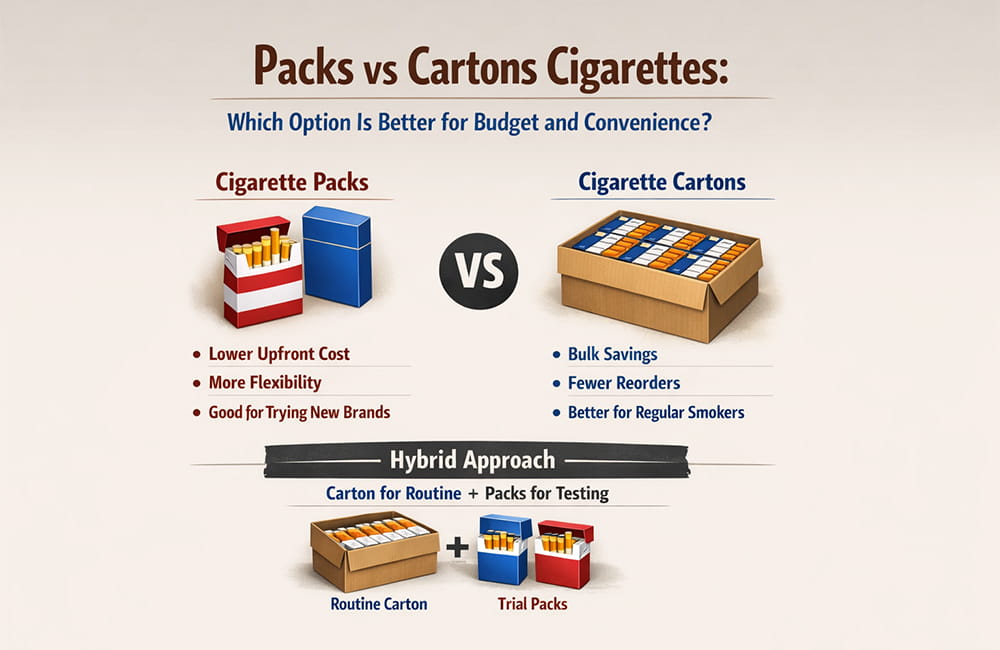
Packs vs Cartons Cigarettes: Which Option Is Better for Budget and Convenience?
Introduction If you regularly buy cigarettes, one of the most practical decisions you make is not just what brand to
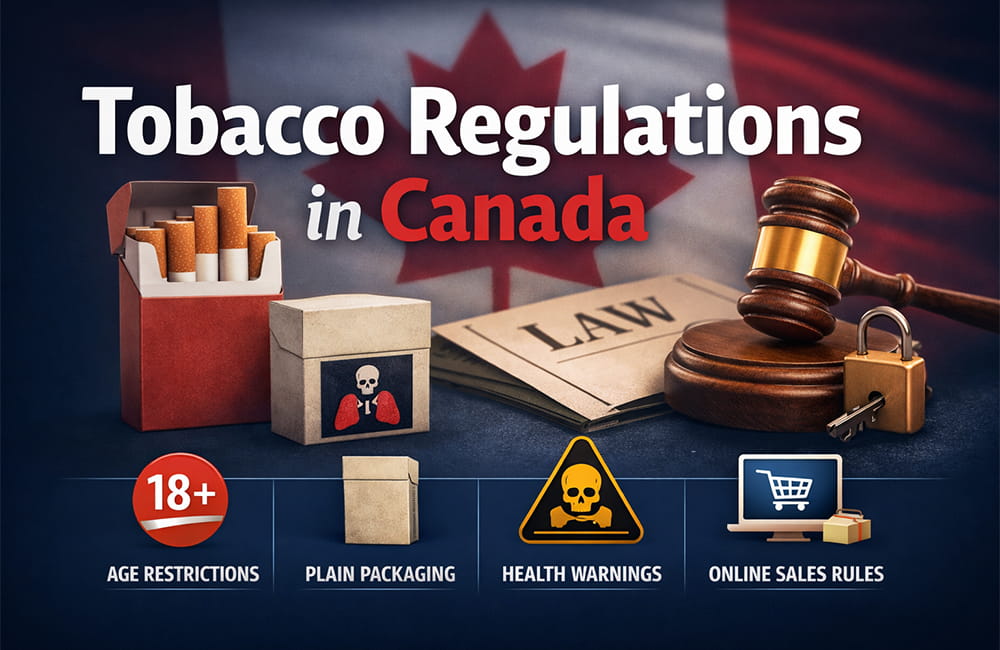
Tobacco Regulations in Canada: What Consumers and Online Buyers Need to Know
Introduction Tobacco regulations in Canada are among the strictest in the world, designed to balance public health goals with legal

The Health Effects of Smoking in Canada: Comprehensive 2026 Guide
Smoking is the leading cause of preventable death in Canada. It causes over two dozen diseases, including lung cancer, heart disease, and COPD. Tobacco use contributes to approximately 48,000 deaths annually, impacting nearly every organ system in the human body.