Blog
Unraveling the Mystery: Why People Choose to Smoke?
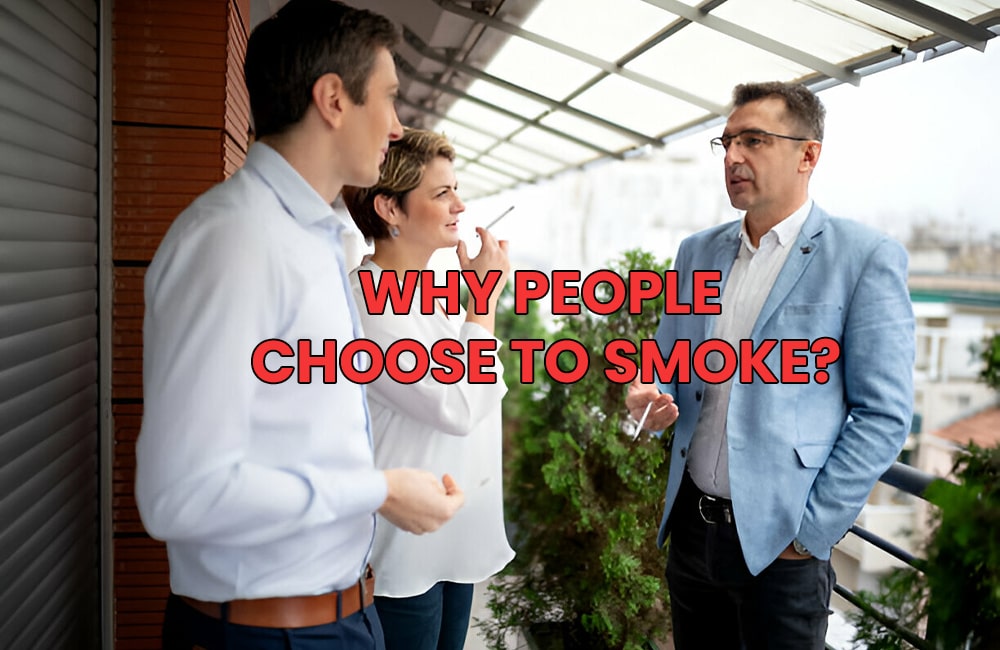
Smoking is one of the most debated habits in society, sparking conversations about health, lifestyle, and personal choice. Despite widespread awareness of its health risks, millions of people choose to smoke every day. What drives this decision? To truly understand, we need to look beyond the surface and examine the complex interplay between psychology, social influences, and cultural factors. This blog will explore the reasons people choose to smoke and offer insights into why it remains a widespread behavior.
The Psychology of Smoking
The decision to start or continue smoking often stems from psychological reasons that evolve over time. For many, the initial motivation comes from curiosity or a desire to experiment. But what keeps people coming back? Here are some key psychological factors:
1. Stress Relief and Relaxation
One of the most common reasons people choose to smoke is its perceived ability to reduce stress. Smoking serves as a coping mechanism for many during challenging times. Nicotine, the primary addictive substance in cigarettes, releases dopamine—a chemical that creates feelings of pleasure and calm. Over time, smoking becomes associated with short-term relief from life’s pressures, even though the cycle of craving and temporary satisfaction leads to continued smoking.
2. Habits and Routines
People choose to smoke because it quickly becomes a part of their daily routines. Smokers often pair cigarettes with certain activities—like morning coffee, work breaks, or post-meal moments. This repetition strengthens the association, making it hard to imagine those moments without a cigarette.
3. Sense of Control
For some, smoking provides an illusion of control in an otherwise chaotic world. The act of lighting a cigarette becomes a ritual, offering familiarity and stability. This sense of personal control makes the habit deeply ingrained and harder to quit.
Social Influences on Smoking
Smoking is rarely an isolated behavior. The social environment around an individual plays a significant role in why people choose to smoke, particularly when starting the habit.
1. Peer Pressure and Social Acceptance
Peer pressure is a major factor, especially among teenagers and young adults. When friends, classmates, or coworkers smoke, it can influence someone to pick up the habit to fit in or feel accepted. Smoking often begins as a social behavior, an effort to bond with others or avoid feeling left out.
2. Family Dynamics
Growing up in a household where smoking is common can normalize the behavior. When parents, siblings, or relatives are smokers, people may unconsciously view smoking as a natural or acceptable choice. Family modeling influences the likelihood that someone will choose to smoke later in life.
3. The Power of Social Situations
Social smoking is common in environments like parties, bars, or gatherings with friends. People choose to smoke in these settings to bond with others and take part in shared experiences. However, occasional social smoking can easily turn into a regular habit over time.
4. Media and Celebrity Influence
Pop culture plays a key role in why people choose to smoke. For decades, celebrities and media have portrayed smoking as rebellious, glamorous, or sophisticated. While anti-smoking campaigns have made progress, the lingering impact of these portrayals can still appeal, especially to younger audiences.
Cultural Factors in Smoking
Cultural norms and traditions provide yet another layer of influence on why people choose to smoke. Attitudes toward smoking vary widely across regions, shaped by history, societal values, and even marketing.
1. Regional Attitudes Toward Smoking
Cultural perceptions of smoking differ worldwide. For example, in some European and Asian cultures, smoking is deeply embedded in daily life, seen during meals or public gatherings. On the flip side, countries with stricter regulations, like New Zealand or Canada, view smoking as more stigmatized, impacting how often people choose to smoke.
2. Ritualistic Use of Tobacco
Tobacco has played symbolic roles in various cultures, particularly among indigenous groups that use it in rituals to signify peace or spiritual connection. While much of this differs from modern tobacco consumption, it underscores the deep-rooted history that frames why certain people choose to smoke.
3. Gendered Perceptions
Cultural expectations often shape smoking behaviors. For instance, in some societies, men who smoke are viewed as powerful or masculine. Meanwhile, women may face negative stigmas unless marketed to with brands that align smoking with freedom or independence. These gendered narratives influence why people choose to smoke in specific contexts.
4. Access and Marketing
The tobacco industry has long tied smoking to aspirational lifestyles through strategic marketing campaigns. Although regulations have reduced cigarette advertising in many regions, the effects of these campaigns linger, shaping the cultural image of smoking and influencing why some people choose to smoke.
The Role of Addiction
The addictive nature of nicotine cannot be ignored when exploring why people choose to smoke. Nicotine dependency rewires the brain, creating a cycle of cravings that keeps individuals hooked. The physical reliance on nicotine, coupled with psychological and social factors, makes quitting an uphill battle for many.
It’s not just a habit—it’s a biological and mental struggle. The need to satisfy cravings often overrides conscious efforts to quit, leading many to continue smoking despite being fully aware of the health risks.
Breaking the Cycle
While millions of people choose to smoke, it’s also true that many have successfully quit. Educational campaigns, support groups, and cessation aids like patches and medications have played a huge role in reducing smoking rates over the years. However, addressing the multifaceted reasons behind smoking is key to helping more people break free.
Quitting requires tackling both the physical dependency and the deeper psychological and social connections tied to the habit. If you or someone you know is trying to quit, seeking out resources like counseling or support groups can make all the difference.
Final Thoughts
Smoking is a complex choice, influenced by psychological factors, social pressures, and cultural norms. While it’s easy to see smoking as just a habit, the reasons people choose to smoke often run deeper than they appear. By understanding these motivations, we can foster empathy and pave the way for better smoking prevention and cessation resources.
For those looking to quit, remember that you’re never alone. Every step toward a smoke-free life is a step worth celebrating. Whether it’s your first attempt or your tenth, the effort to break the cycle shows incredible strength. Keep moving forward—you’ve got this.
Related Articles
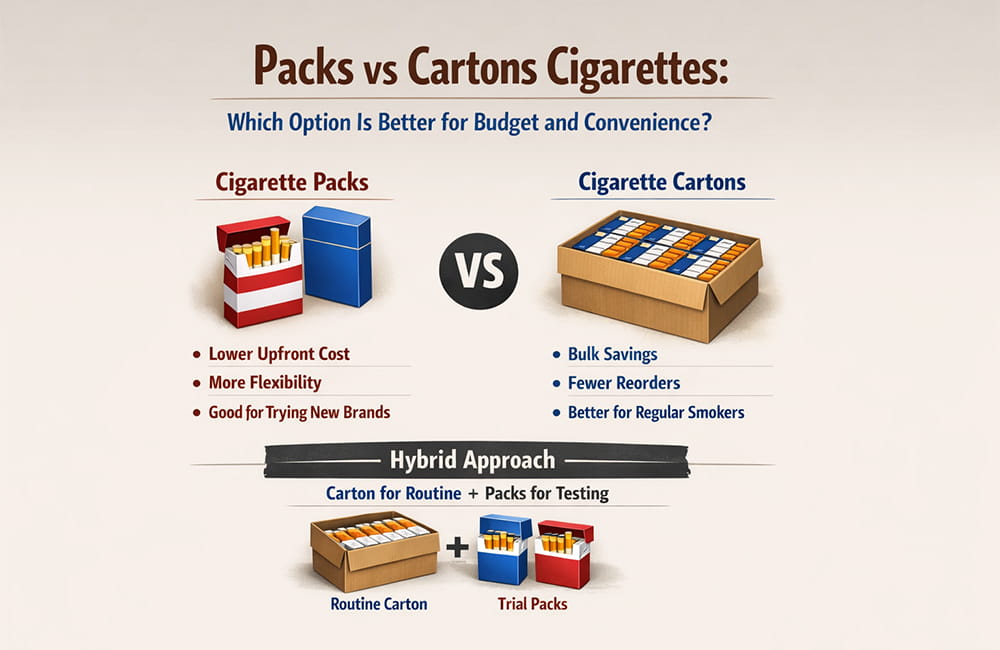
Packs vs Cartons Cigarettes: Which Option Is Better for Budget and Convenience?
Introduction If you regularly buy cigarettes, one of the most practical decisions you make is not just what brand to
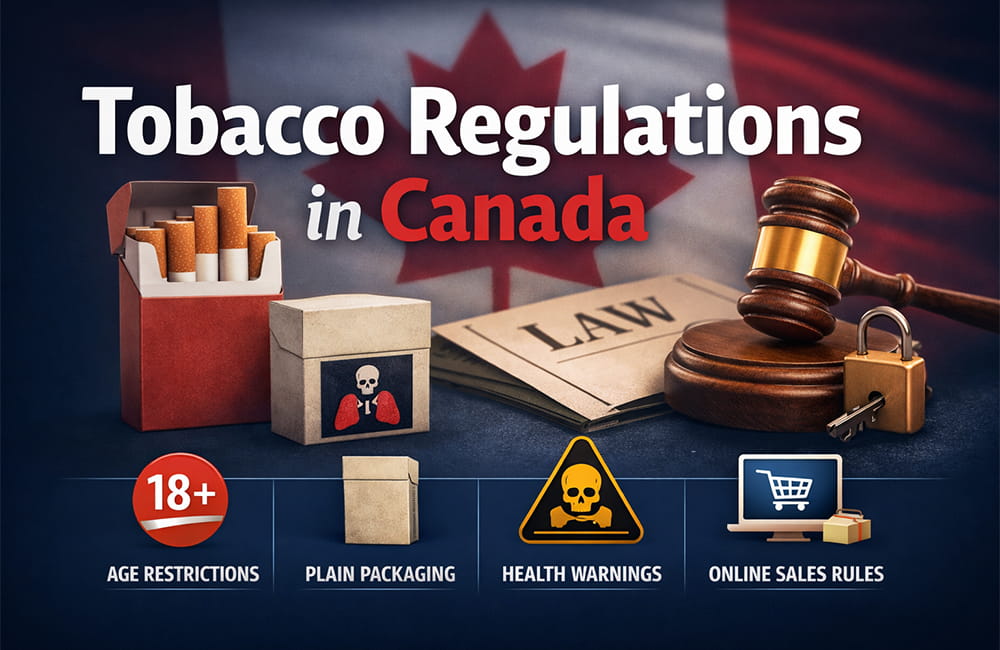
Tobacco Regulations in Canada: What Consumers and Online Buyers Need to Know
Introduction Tobacco regulations in Canada are among the strictest in the world, designed to balance public health goals with legal

The Health Effects of Smoking in Canada: Comprehensive 2026 Guide
Smoking is the leading cause of preventable death in Canada. It causes over two dozen diseases, including lung cancer, heart disease, and COPD. Tobacco use contributes to approximately 48,000 deaths annually, impacting nearly every organ system in the human body.