Canada has a robust framework of regulations and laws governing the sale and use of Canadian Cigarettes. These regulations are designed to protect public health, reduce smoking rates, and control the marketing and distribution of tobacco products. In this blog post, we’ll explore the key aspects of Canadian Cigarette regulations and laws, providing you with a comprehensive understanding of how they impact consumers and businesses alike.
Overview of Canadian Cigarette Regulations
Canada’s approach to tobacco control is considered one of the most comprehensive in the world. The federal government, along with provincial and territorial governments, enforces a range of laws to regulate the production, distribution, and consumption of Canadian Cigarettes. These regulations are continuously updated to reflect new research and societal trends, ensuring they remain effective in reducing tobacco use.
Federal Tobacco Control Legislation
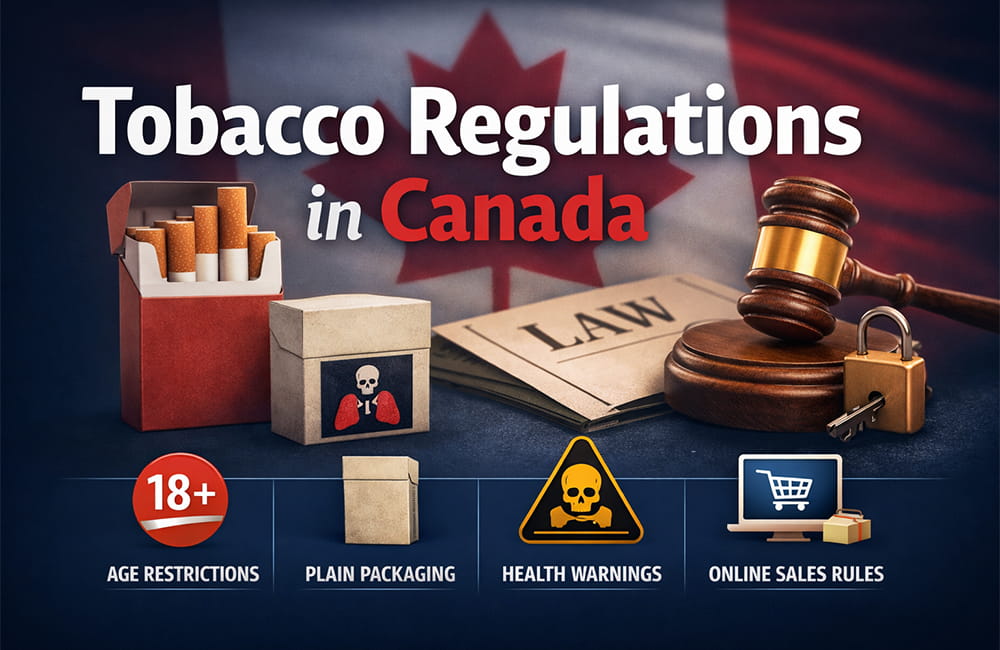
The Tobacco and Vaping Products Act (TVPA) is the primary federal legislation governing tobacco products in Canada, including Canadian Cigarettes. This act regulates the manufacture, sale, labeling, and promotion of tobacco products. Key provisions include:
- Packaging and Labeling: Canadian Cigarette packages must display prominent health warnings and plain packaging to reduce the appeal of smoking. This includes graphic images and messages that convey the health risks associated with smoking.
- Advertising Restrictions: Strict limits on tobacco advertising, including a ban on promotional activities targeting youth. Tobacco advertising is heavily restricted in print, broadcast, and digital media.
- Sales Regulations: Prohibition on the sale of Canadian Cigarettes to minors (under 18 years). Retailers are required to verify the age of purchasers and face significant penalties for non-compliance.
In addition to federal laws, each province and territory in Canada has its own set of regulations. These can include additional restrictions on smoking in public places, higher age limits for purchasing Canadian Cigarettes, and specific rules for tobacco retailers. For instance, some provinces have implemented bans on flavored tobacco products to reduce their appeal to young people.
Smoking in Public Places
Most provinces and territories have laws prohibiting smoking Canadian Cigarettes in indoor public spaces, workplaces, and certain outdoor areas. These laws aim to protect non-smokers from secondhand smoke and create smoke-free environments. Some regions have extended these bans to include outdoor patios, playgrounds, and sports fields, further reducing exposure to secondhand smoke.
Taxation and Pricing
Tobacco taxes are a significant component of Canada’s tobacco control strategy. High taxes on Canadian Cigarettes are intended to deter smoking by making it more expensive. The revenue generated from tobacco taxes is often used to fund public health initiatives, such as anti-smoking campaigns and cessation programs. These taxes vary by province, reflecting local policy priorities and economic conditions.
Impact on Businesses
Businesses involved in the sale and distribution of Canadian Cigarettes must navigate a complex regulatory landscape. Compliance with packaging, advertising, and sales restrictions is crucial to avoid penalties. Additionally, businesses must keep up with evolving regulations to ensure they remain compliant. Retailers may also face challenges with inventory management and pricing strategies due to fluctuating tax rates and regulatory changes.
Challenges and Controversies
Despite stringent regulations, challenges remain in addressing issues such as contraband Canadian Cigarettes and the rise of vaping products. The government continues to adapt its strategies to address these emerging trends and protect public health. Contraband tobacco poses significant challenges, including lost tax revenue and increased access to inexpensive Canadian Cigarettes. Additionally, the rapid growth of the vaping industry has prompted new regulatory measures to address health concerns and prevent youth uptake.
Conclusion
Understanding Canadian Cigarette regulations and laws is essential for consumers and businesses alike. These regulations play a vital role in reducing smoking rates and safeguarding public health. By staying informed and compliant, businesses can contribute to a healthier society while navigating the complexities of the tobacco industry.