Blog
Truth About Native Cigarettes in Canada: Myths vs Facts
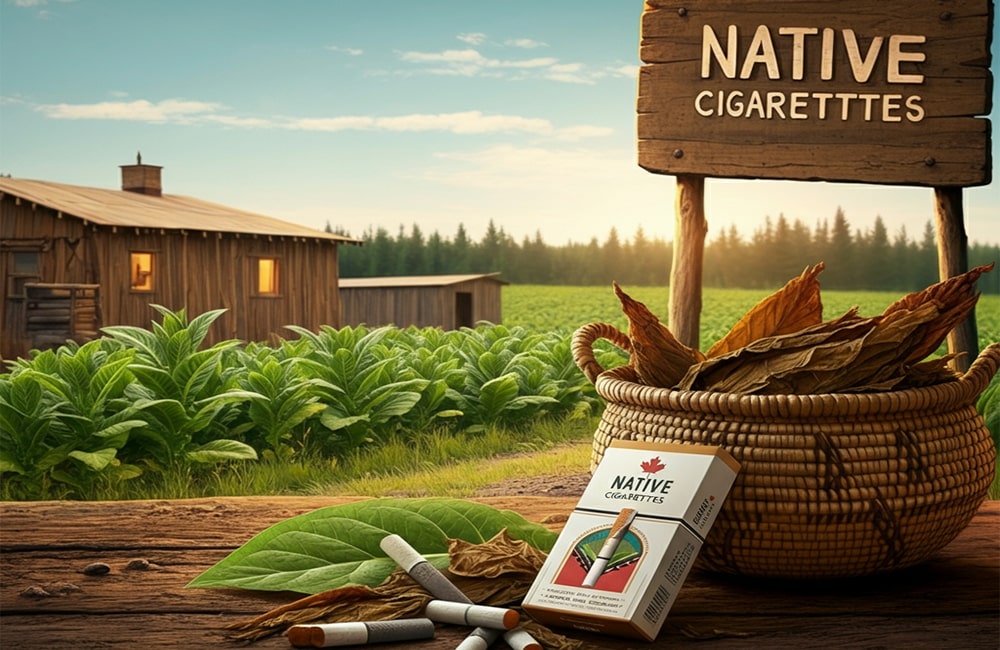
When it comes to Native cigarettes in Canada, opinions often range from intrigue to misunderstanding. Indigenous tobacco products carry an air of mystery that has fueled countless myths. However, not everything you hear is true! With this article, we want to shine a light on the truth—debunking myths and highlighting the facts. Whether you’re curious, concerned, or just plain confused about Native cigarettes, you’re in the right place. Let’s explore their production, legality, health implications, and cultural significance to separate fiction from reality.
This is your go-to guide for discovering the Truth About Native Cigarettes—breaking down the myths and uncovering the facts you need to know.
What Are Native Cigarettes?
Native cigarettes are tobacco products made by Indigenous communities across Canada. Many Indigenous groups have a long history of producing tobacco, deeply rooted in tradition and ceremony. These cigarettes are often sold on First Nations reserves and, in some cases, can be priced significantly lower than mainstream brands. Customers are drawn to Native cigarettes for economic reasons, convenience, or to support Indigenous businesses.
Yet, along with their popularity comes a swirl of rumors, assumptions, and misconceptions. It’s time to clear the air with some hard facts and uncover the Truth About Native Cigarettes.
Myth #1: Native Cigarettes Are Illegal
One of the most common myths about Native cigarettes is that they’re entirely illegal. This idea has caused a lot of confusion for consumers and critics alike.
Fact:
Native cigarettes can be legal, but it depends on where and how they are sold. Indigenous communities in Canada have the right to produce and sell tobacco products under specific guidelines. Many Native cigarettes are made on reserves, and if sold in accordance with federal or provincial tobacco laws, they are perfectly legal.
However, issues arise in cases where products are sold off-reserve or bypass tax regulations. Canadian law requires proper licensing and the collection of federal and provincial taxes on tobacco products. Some sellers may operate outside these guidelines, which can lead to legal disputes.
The bottom line? Not all Native cigarettes are illegal. Many Indigenous producers and retailers follow the law, contributing to their communities while providing for a legitimate market. Ensuring you understand the Truth About Native Cigarettes and their legalities is key to making informed choices.
Myth #2: Native Cigarettes Are Poorly Made
A widespread perception suggests Native cigarettes are lower in quality compared to mainstream brands. Some people believe they’re unsafe because of questionable manufacturing practices.
Fact:
This couldn’t be further from the truth in most cases. Native cigarettes are often made using high-quality, locally grown tobacco. Many Indigenous producers take pride in their work, adhering to traditional techniques and maintaining clean, professional standards.
Granted, not all Native cigarettes are created equal. Just like with mainstream brands, quality varies between producers. When buying Native cigarettes, it’s best to research trusted sources that guarantee you’re buying from reputable businesses or Indigenous-owned operations on reserves.
What makes Native cigarettes stand out is their cultural value and craftsmanship. These products often reflect generations of skill, blending tradition with modern production methods. If you’re questioning the quality, understanding the Truth About Native Cigarettes will put your doubts to rest.
Myth #3: Native Cigarettes Don’t Contain Harmful Chemicals
Native cigarettes are often marketed as being “natural,” which has led some people to believe they are completely free of harmful chemicals. But is this true?
Fact:
While it’s true that many Native cigarettes use fewer additives compared to big tobacco brands, this doesn’t mean they’re free from harm. At their core, Native cigarettes still contain tobacco, which produces tar, nicotine, and other harmful chemicals when burned. These substances can contribute to lung diseases, heart conditions, and cancer—just like any other tobacco product.
For many Indigenous producers, offering tobacco with fewer chemical additives is part of a commitment to creating a more natural alternative. However, consumers shouldn’t mistake this for a health product. Cigarettes, regardless of the brand, carry significant health risks. Learning the Truth About Native Cigarettes and their health implications helps consumers make realistic and informed decisions.
Myth #4: Indigenous Tobacco Products Are Tax-Free Everywhere
It’s no secret that lower prices are a major draw for consumers of Native cigarettes. But does “tax-free” apply across the board?
Fact:
Tax rules for Indigenous tobacco products are more nuanced than they initially seem. On First Nations reserves, Indigenous communities are often exempt from provincial or federal tobacco taxes when selling to their members. This results in lower prices for Native cigarettes compared to mainstream options.
However, this tax exemption does not apply when products are sold to non-Indigenous people or off-reserve. The idea that all Native cigarettes are universally tax-free is simply a misunderstanding.
Supporting Native businesses by purchasing Indigenous tobacco products can be a way to give back to communities, but it’s still essential to understand how taxation works in these cases. Knowing the Truth About Native Cigarettes can help you clear up misconceptions about pricing and tax benefits.
Myth #5: Native Cigarettes Are Not Regulated
Another common myth is that Indigenous tobacco products are not bound by any regulations, making them a “free-for-all” in the market.
Fact:
While Native cigarettes may not always be subject to the same regulations as big tobacco brands, this doesn’t mean they operate in a legal vacuum. Native cigarette production is overseen by Indigenous governments and, in some cases, specific agreements with federal or provincial authorities. Producers are required to follow safety and quality standards, ensuring that their products meet basic expectations.
Government regulations have a complex relationship with Indigenous sovereignty. Many Indigenous leaders advocate for self-regulated tobacco production to align with their community’s values. Still, it’s worth noting that the oversight process does exist, even if it varies from the norms of the broader tobacco industry. Understanding the regulatory landscape is a crucial part of knowing the full Truth About Native Cigarettes.
The Cultural Significance of Indigenous Tobacco
Beyond commerce, Native cigarettes hold deep cultural and historical significance for many Indigenous communities. Tobacco has been used for centuries in spiritual ceremonies, rituals, and as a symbol of respect. These traditions form the backbone of Indigenous tobacco production today, bridging the gap between the past and the present.
When you purchase Native cigarettes from a legitimate source, you’re not just buying a product—you’re supporting communities, employment opportunities, and cultural preservation.
It’s important to celebrate and appreciate the cultural roots of Indigenous tobacco while also understanding the potential risks associated with smoking. By acknowledging the Truth About Native Cigarettes, we can respect these traditions while staying informed.
What Should You Know Before Buying Native Cigarettes?
If you’re considering buying Native cigarettes in Canada, here are some tips to keep in mind:
- Choose Reputable Sellers – Purchase products directly from reserves or verified retailers to ensure you’re buying legally made tobacco.
- Understand the Rules – Be aware of taxation policies and where exemptions apply.
- Be Honest About Risks – Native cigarettes might be natural, but they’re not risk-free. Treat them like other tobacco products.
- Support the Community – Knowing your money is contributing to Indigenous businesses and families can make your choice more meaningful.
By staying informed about the Truth About Native Cigarettes, you can break through myths and make decisions based on facts.
Related Articles
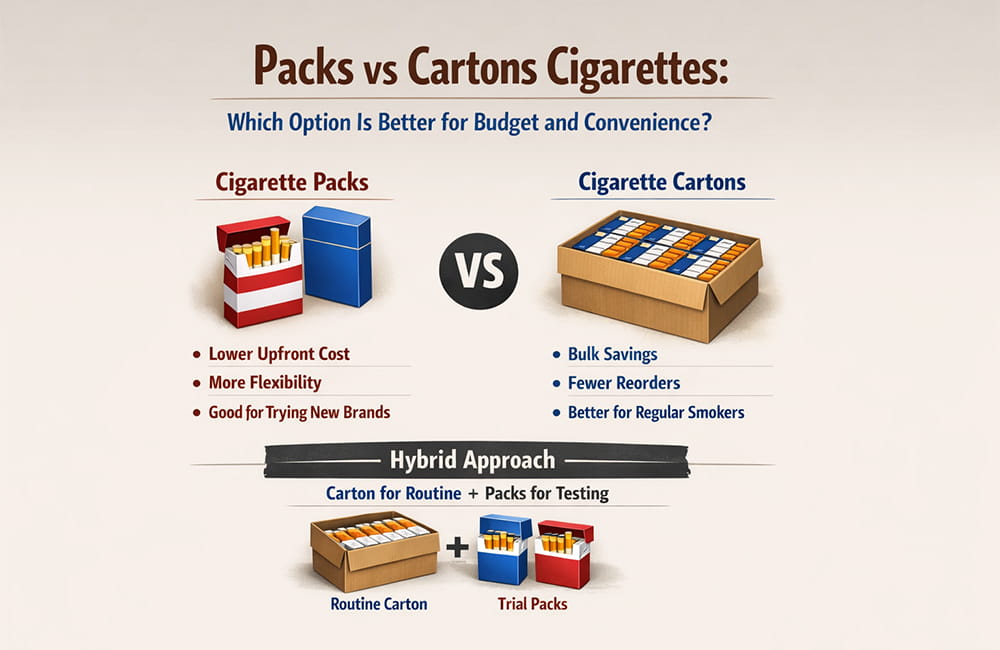
Packs vs Cartons Cigarettes: Which Option Is Better for Budget and Convenience?
Introduction If you regularly buy cigarettes, one of the most practical decisions you make is not just what brand to
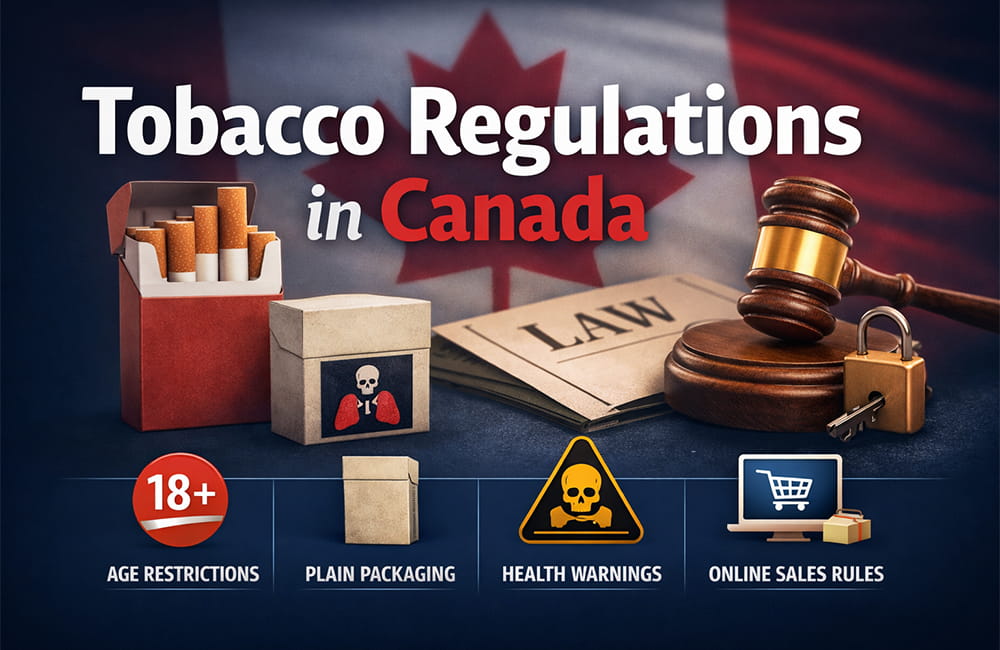
Tobacco Regulations in Canada: What Consumers and Online Buyers Need to Know
Introduction Tobacco regulations in Canada are among the strictest in the world, designed to balance public health goals with legal

The Health Effects of Smoking in Canada: Comprehensive 2026 Guide
Smoking is the leading cause of preventable death in Canada. It causes over two dozen diseases, including lung cancer, heart disease, and COPD. Tobacco use contributes to approximately 48,000 deaths annually, impacting nearly every organ system in the human body.