Blog
The Ultimate Guide to Tobacco Products in Canada

Canada has a rich history with tobacco, beginning with its cultural significance among Indigenous peoples and evolving into its current role in the marketplace. Today, Tobacco Products in Canada are deeply regulated, reflecting the balance between consumer demand and public health priorities. Whether you’re a smoker, someone interested in alternatives, or simply looking to understand the industry, this guide explores tobacco product options, laws, health consequences, and the latest consumption trends.
The Tobacco Industry in Canada
The tobacco industry in Canada plays a significant role in the economy while facing strict regulations. Once concentrated in farming regions like Ontario, the industry diversified beyond cigarettes to include cigars, chewing tobacco, pipe tobacco, and innovative alternatives such as vaping devices. Tobacco Products in Canada generate billions in tax revenue annually, which the government uses to fund public health initiatives and deter smoking through prevention programs.
The balance between economic contributions and public health challenges creates a unique dynamic. While Tobacco Products in Canada have long been a significant market player, evolving regulations and campaigns against smoking continue to shape the industry.
Types of Tobacco Products in Canada
Canada offers a range of tobacco products to suit different preferences. From traditional items to newer developments, the market caters to diverse consumer needs. Below, we break down some of the most prominent product types.
1. Cigarettes – Cigarettes remain the most recognized tobacco product in the country. They consist of shredded tobacco leaves and paper, providing a quick and accessible experience. Popular brands like Du Maurier and Players serve a loyal customer base, though cigarette sales have steadily declined due to regulatory changes and anti-smoking campaigns
2. Cigars and Cigarillos – Cigars offer a premium smoking experience. Consumers gravitate towards them for special occasions or as a luxurious indulgence. Smaller alternatives, like cigarillos, appeal to those seeking convenience without sacrificing quality. Despite the allure, these Tobacco Products in Canada face stringent regulations, including requirements for plain packaging.
3. Chewing Tobacco – Chewing tobacco, or dipping tobacco, provides a smokeless option for nicotine consumption. Though less common than cigarettes or cigars, some consumers enjoy its distinct experience. Regulations control its sale and ensure it includes clear health warnings.
4. Pipe Tobacco – Pipe smoking continues to attract enthusiasts drawn to its nostalgic appeal. With various blends available, pipe tobacco offers a slower and more deliberate experience. These Tobacco Products in Canada maintain a niche market, preserving a tradition beloved by some.
5. Vaping Products – Vaping transformed the industry and now attracts smokers searching for less harmful alternatives. Devices use nicotine-infused e-liquids derived from tobacco, offering a modern solution for adult smokers. However, regulations ensure that these products, like all other tobacco options, prioritize consumer safety and prevent marketing to younger demographics.
Regulations and Legal Frameworks
When discussing Tobacco Products in Canada, regulation plays a central role. Canadian laws strive to protect public health without fully eliminating consumer access.
Federal Laws
The Tobacco and Vaping Products Act (TVPA) governs product labeling, advertising, and sale practices. Some vital requirements include:
- Prohibiting any marketing that targets youth.
- Enforcing plain packaging to reduce brand appeal.
- Requiring large, graphic health warnings on all tobacco products.
Retailers must also verify the age of buyers, selling only to those above provincial legal limits (18 or 19, depending on the region).
Pricing and Taxation
Taxes on tobacco remain high to dissuade consumption. Cigarettes, cigars, and chewing tobacco are some of the most heavily taxed items in the country. These revenues support healthcare costs related to smoking-related diseases and fund public health campaigns.
Provincial Rules
Individual provinces enforce additional measures. Some have banned flavored products like menthol cigarettes or restricted public smoking areas. Understanding provincial regulations is essential for both retailers and consumers of Tobacco Products in Canada.
Import and Export Controls
Canada enforces rigid import restrictions to prevent unregulated products from entering the marketplace. Retailers must comply with strict distribution laws to ensure consumers receive approved, lawful goods.
The Health Effects of Tobacco Products in Canada
The health consequences of consuming Tobacco Products in Canada cannot be ignored. Smoking remains one of the leading causes of preventable illnesses and contributes to approximately 45,000 deaths annually in Canada.
Smoking-Related Diseases
Smoking significantly increases risks for serious diseases, including:
- Lung cancer: Tobacco is the primary cause of lung cancer, elevating risks for smokers by 25 times compared to nonsmokers.
- Heart disease: Regular smoking damages the cardiovascular system, resulting in heart attacks, strokes, and hypertension.
- Chronic respiratory conditions: Illnesses like COPD and emphysema arise from long-term tobacco inhalation.
Secondhand Smoke
Tobacco’s harmful effects extend beyond individual users. Secondhand smoke jeopardizes the health of non-smokers, particularly children and those with pre-existing conditions. Smoking bans in public and shared spaces aim to mitigate these risks.
Are Alternatives Safer?
Products like vaping devices or heated tobacco may pose fewer direct health risks than combustible options, but they are not entirely safe. Consumers should thoroughly research alternatives, especially if they aim to quit smoking.
Current Trends in Tobacco Consumption
The industry surrounding Tobacco Products in Canada continues to evolve, shaped by changes in consumer preferences, innovations, and regulatory measures. Here are some notable trends reshaping the market today.
Declining Traditional Smoking Rates
Fewer Canadians are smoking cigarettes than in previous decades. Public awareness, educational campaigns, and high product costs all contribute to this steady decline.
Expanding Interest in Alternatives
Millions of Canadians now explore alternatives like vaping or herbal smoking products. Many consumers view these innovations as tools for reducing health risks or transitioning away from traditional cigarettes.
Increased Health Awareness
With growing access to information, Canadians actively seek details about the health impacts of tobacco. This has prompted manufacturers to disclose more information about their products and ingredients.
Influencer Engagement and Social Media
While conventional advertising faces bans, some companies rely on influencer marketing and social media to promote vaping products. The government carefully monitors these methods, reinforcing strict compliance with child protection laws.
Community Efforts to Reduce Harm
Local organizations work tirelessly on smoke-free initiatives aimed at curbing youth uptake of smoking and offering cessation support for users. These grassroots approaches create long-term change and keep Tobacco Products in Canada trending toward health-conscious consumption.
Final Thoughts
Tobacco Products in Canada reflect a fascinating mix of tradition, innovation, and regulation. Consumers have access to diverse options, ranging from classic cigarettes to modern vapes, all sold under strict legal frameworks. While health risks accompany their use, ongoing efforts to educate the public, enforce regulations, and introduce safer alternatives promote positive industry change.
Whether you’re looking to better understand your options or explore the broader implications of Tobacco Products in Canada, knowledge empowers smarter decisions. By staying informed and considering the risks, we can all contribute to a healthier future.
Related Articles
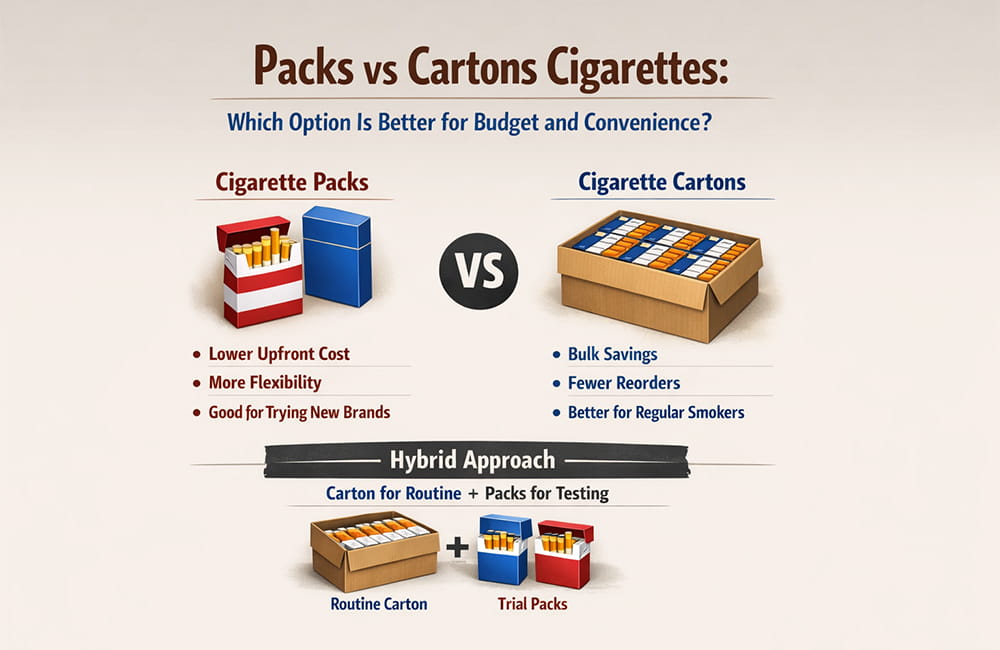
Packs vs Cartons Cigarettes: Which Option Is Better for Budget and Convenience?
Introduction If you regularly buy cigarettes, one of the most practical decisions you make is not just what brand to
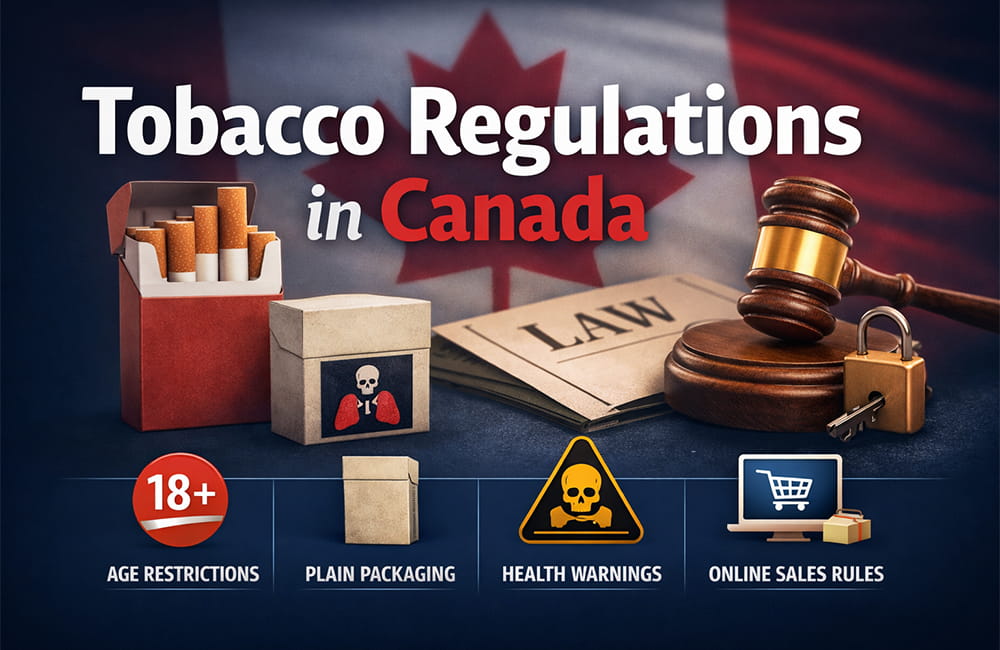
Tobacco Regulations in Canada: What Consumers and Online Buyers Need to Know
Introduction Tobacco regulations in Canada are among the strictest in the world, designed to balance public health goals with legal

The Health Effects of Smoking in Canada: Comprehensive 2026 Guide
Smoking is the leading cause of preventable death in Canada. It causes over two dozen diseases, including lung cancer, heart disease, and COPD. Tobacco use contributes to approximately 48,000 deaths annually, impacting nearly every organ system in the human body.