Blog
The Truth Revealed: Are Native Smokes Tax-Free in Canada?

The topic of taxation on Indigenous tobacco products, or Native smokes, in Canada is complex and often misunderstood. While many Canadians are aware that Indigenous communities operate under unique fiscal frameworks, the specifics surrounding tobacco taxes continue to spark debates. With new discussions about taxation frameworks, there’s a lot to unpack regarding the current rules, recent legislative developments, and their potential impacts. Here’s everything you need to know about whether Native smokes are tax-free in Canada.
1. Understanding Current Tax Regulations for Native Smokes
At the heart of the discussion about tax-free Native smokes lies the Indian Act, a federal law that provides specific protections and exemptions for Indigenous peoples in Canada. Under Section 87 of the Act, individuals with Indian Status are exempt from certain taxes, including federal and provincial sales taxes, when buying goods on reserve land.
This exemption extends to tobacco products purchased by Indigenous individuals for personal use. For example, if a First Nations individual buys a pack of cigarettes from a smoke shop located on a reserve, they are not required to pay provincial or federal tobacco taxes. Similarly, purchases made by Indigenous governments or businesses on reserves can also qualify for some tax exemptions, depending on the context.
However, there are limitations. The tax exemption is restricted to on-reserve transactions by recognized Indigenous individuals. If someone without Indian Status or from outside of the reserve purchases tobacco products, they are supposed to pay applicable taxes, although enforcement of these rules is not always strict.
Key Loophole
The tax-free status of Native smokes has unintentionally led to a demand for cheaper, untaxed products by non-Indigenous customers. This has driven illicit tobacco trade in some regions, especially near border reserves in Ontario and Quebec.
2. Recent Developments: The FACT Sales Tax Proposal
The federal government is now proposing substantial changes to how taxation works on certain goods sold in Indigenous communities. One major initiative under consideration is the FACT (Fuel, Alcohol, Cannabis, and Tobacco) Sales Tax Framework, which was outlined in recent budgets.
This framework would allow Indigenous governments to levy their own sales taxes — including on tobacco — to generate revenue for their communities. Notably, this tax would apply to everyone making purchases in participating Indigenous territories, regardless of their Indian Status. For example, if a non-Status customer buys cigarettes on a reserve implementing the FACT tax, they would pay at the point of sale.
The proposed FACT framework aims to empower Indigenous governments with more financial independence. It expands taxation authority while harmonizing Indigenous taxes with the federal Goods and Services Tax (GST). This means taxes collected under an Indigenous law could replace federal taxes on goods like tobacco, with administration handled by the Canada Revenue Agency (CRA) via negotiated agreements.
Why It Matters
The FACT tax doesn’t mandate participation; instead, it offers Indigenous governments the choice to implement or opt out of the framework. Those who participate could negotiate agreements determining how revenues are divided between federal and Indigenous governments.
3. Economic Impacts for Indigenous Communities
The potential financial benefits of the FACT tax framework for Indigenous communities are significant. Many reserves face challenges such as housing shortages, inadequate infrastructure, and underfunded social programs. By establishing their own tax systems, communities could generate vital revenue to address these issues.
For example, one First Nation community, the Tzeachten in British Columbia, estimates that participation in the FACT framework could boost its annual revenues by $3–4 million. These funds could be reinvested into schools, healthcare facilities, and housing.
Additionally, for communities that have historically resisted participation in broader taxation frameworks, FACT represents a more collaborative and autonomous approach. Governments like Tzeachten see this as an opportunity to bridge the gap between federal policies and Indigenous rights by prioritizing locally driven solutions.
However, there is concern that the economic benefits might vary significantly depending on the size and location of a community. Those with higher traffic from non-Indigenous customers for goods like fuel and tobacco may see greater revenue gains compared to more remote reserves.
4. Challenges and Controversies
Enforcement Issues
The tax-free status for Native smokes raises challenges around enforcement. Reports have shown that certain Indigenous communities play a significant role in Canada’s illicit tobacco trade. Areas bordering Ontario and Quebec are particularly scrutinized, with estimates suggesting that 80% of illegal tobacco in Canada originates from border reserves.
While non-Indigenous individuals technically should not access tax-free tobacco, lax enforcement allows this practice to continue. This undermines efforts to regulate tobacco sales nationwide and contributes to lost revenue for federal and provincial governments.
Impact on Businesses
Some Indigenous entrepreneurs fear that implementing taxes under frameworks like FACT could reduce sales and hurt profits. Smoke shops on reserves often attract customers from outside the Indigenous community due to lower prices, which are only possible because of tax exemptions. Introducing new taxes could diminish this competitive edge.
Community Concerns
There is also some resistance within Indigenous communities about removing or altering their tax-exempt status. While the FACT tax grants taxation authority, critics argue that the federal government should not dictate Indigenous fiscal policies. Some feel it undermines self-determination, a central pillar of reconciliation.
5. Benefits and Drawbacks of the Proposed Tax Framework
The FACT sales tax proposal brings both opportunities and potential drawbacks for Indigenous communities and the Canadian government.
Benefits
- Economic Self-Reliance
FACT allows reserves to collect taxes and fund their initiatives, reducing dependency on federal transfers and improving local infrastructure. - Greater Equity
Applying taxes to all customers, regardless of status, levels the playing field and ensures non-Indigenous shoppers contribute to community funds when purchasing goods on reserves. - Streamlined Administration
By using the CRA to oversee tax collection, Indigenous governments avoid the administrative burden of managing their own tax systems. - Enhanced Oversight on Illicit Trade
Harmonizing Indigenous taxes with federal GST could reduce the prevalence of contraband tobacco by simplifying enforcement mechanisms.
Drawbacks
- Risk to Small Economies
Communities that rely heavily on their tax-free status to attract customers could see economic slowdowns if FACT taxes drive shoppers to other retailers. - Limited Revenue Growth
Populations and purchasing volumes on reserves may not generate substantial funding unless significant non-Indigenous traffic is present. - Complicated Negotiations
Agreements between Indigenous governments and the federal government could take time to finalize, delaying potential benefits. - Potential for Public Backlash
Some communities worry that introducing taxes could spark negative reactions, both within Indigenous populations and among frequent shoppers on reserves.
6. Looking Ahead
The debate over whether Native smokes are truly tax-free in Canada is evolving rapidly. While the Indian Act ensures specific exemptions for Indigenous individuals, frameworks like FACT signal a potential shift toward more inclusive tax policies in Indigenous territories.
For Indigenous governments, the choice to implement such taxes hinges on balancing economic priorities with cultural, political, and social considerations. Will they prioritize revenue generation through harmonized taxes, or will they continue to champion their exemption rights as a matter of sovereignty?
On the federal side, the Canadian government must tread carefully to avoid imposing tax policies viewed as paternalistic. The success of FACT and similar initiatives depends on extensive collaboration and respect for Indigenous autonomy.
Related Articles
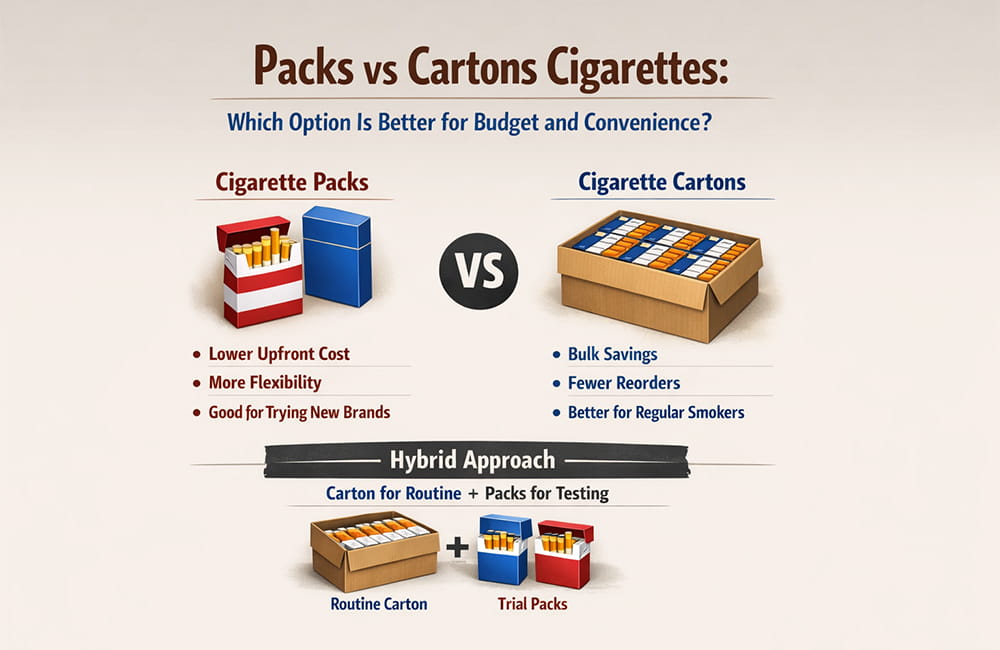
Packs vs Cartons Cigarettes: Which Option Is Better for Budget and Convenience?
Introduction If you regularly buy cigarettes, one of the most practical decisions you make is not just what brand to
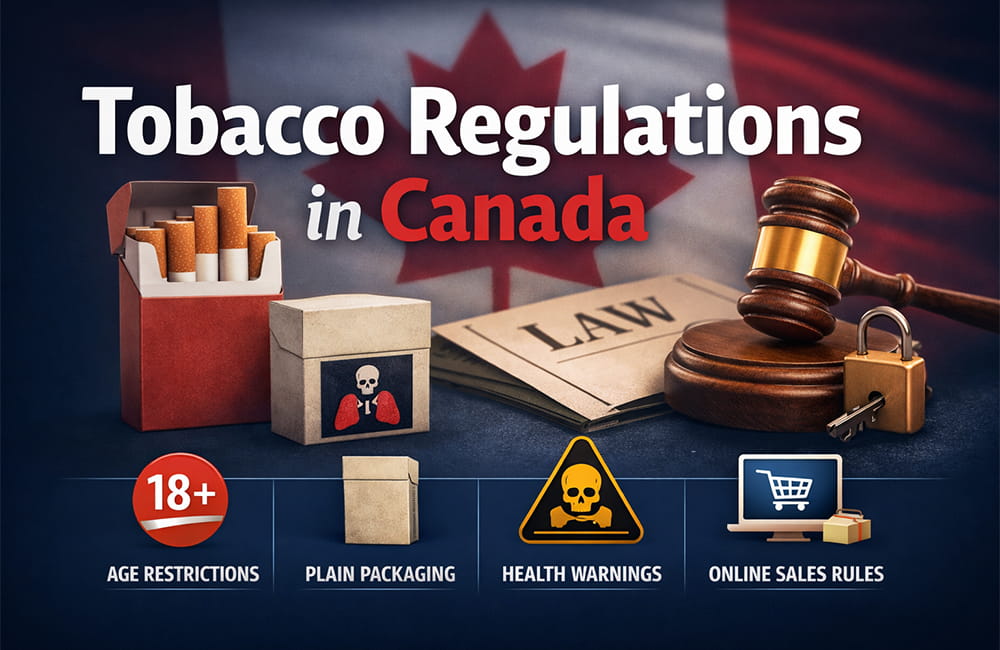
Tobacco Regulations in Canada: What Consumers and Online Buyers Need to Know
Introduction Tobacco regulations in Canada are among the strictest in the world, designed to balance public health goals with legal

The Health Effects of Smoking in Canada: Comprehensive 2026 Guide
Smoking is the leading cause of preventable death in Canada. It causes over two dozen diseases, including lung cancer, heart disease, and COPD. Tobacco use contributes to approximately 48,000 deaths annually, impacting nearly every organ system in the human body.