Blog
The Shocking Truth: Cigarette Cost in Canada
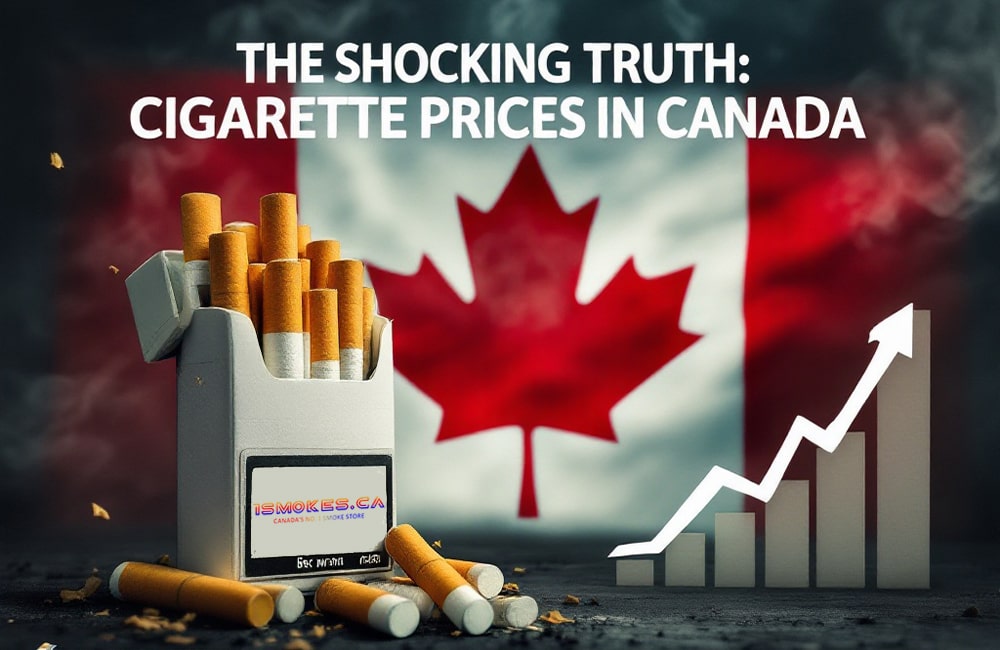
Cigarette cost in Canada have long been a topic of heated debate among smokers, policymakers, and health advocates. With costs significantly higher than in many other countries, Canadian smokers often find themselves questioning the reasons behind these expenses. This article explores the various factors contributing to the high cigarette prices in Canada and the broader implications for consumers and society.
Overview of Cigarette Pricing in Canada
Cigarette cost in Canada are influenced by a combination of taxation, regulation, and production costs. Understanding these factors is key to grasping why Canadian smokers face higher expenses compared to their international counterparts.
Factors Contributing to High Prices
- Taxes and Regulations: Taxes are the most significant factor driving up cigarette prices in Canada. Federal and provincial governments impose hefty taxes to discourage smoking and generate revenue. Additionally, regulations such as plain packaging and graphic health warnings add to production costs, which are passed on to consumers, further influencing cigarette prices in Canada.
- Production and Distribution Costs: The cost of producing and distributing cigarettes in Canada is also higher due to strict compliance requirements. Manufacturers must adhere to rigorous standards, which include quality control and environmental regulations. These factors contribute to the overall cost structure, making Canadian cigarettes more expensive and impacting cigarette prices in Canada.
Government Policies and Public Health
- Public Health Initiatives: The Canadian government views high cigarette prices in Canada as a tool to promote public health. By making smoking an expensive habit, the government aims to reduce smoking rates, particularly among youth and low-income populations. Programs like the Tobacco Control Strategy focus on education, cessation support, and research to further these goals, all while maintaining high cigarette prices in Canada.
- Economic Implications: While high taxes on cigarettes generate substantial revenue for the government, they also serve a dual purpose by funding healthcare initiatives. The revenue is often allocated to healthcare systems to address smoking-related illnesses, creating a cycle of prevention and treatment. This economic strategy is closely tied to maintaining cigarette prices in Canada.
Consumer Impact and Behavior
- Financial Strain on Smokers: For regular smokers, the financial burden of maintaining their habit can be significant. Many smokers report spending a considerable portion of their income on cigarettes, leading to financial strain. This has prompted some to seek cheaper alternatives or reduce consumption, as cigarette prices in Canada continue to rise.
- Rise of Alternatives: The high cost of cigarettes has led to a rise in alternative products like vaping devices and Native cigarettes, which are often perceived as more affordable. These alternatives are gaining popularity, especially among younger demographics, as they offer a less expensive way to satisfy nicotine cravings, contrasting with the high cigarette prices in Canada.
Future Outlook
- Potential Changes in Policy: As public health priorities evolve, there may be further changes in taxation and regulation. Discussions around increasing taxes or introducing new regulations continue, with the aim of further reducing smoking rates. However, these changes must balance public health goals with economic considerations, potentially affecting future cigarette prices in Canada.
- Impact on the Market: The cigarette market in Canada is likely to continue evolving as costs remain high. Manufacturers may innovate by introducing new products or reformulating existing ones to meet consumer demand. Additionally, the rise of alternatives could reshape the market landscape, offering smokers more choices and influencing cigarette prices in Canada.
Implications for Smokers
The high price of cigarettes in Canada leaves many smokers facing tough decisions. For some, the financial burden becomes so overwhelming that quitting altogether feels like the only solution. And for many individuals, this is exactly the government’s goal—to use pricing as a deterrent to eliminate smoking habits.
However, not every smoker is ready or able to quit. For those who continue smoking, the steep costs can create deep financial strain. A heavy smoker, for example, who burns through a pack a day at $15, could be spending upwards of $5,000 annually on cigarettes alone. This financial reality often sparks frustrations, especially among smokers who feel targeted or punished for their habits.
Additionally, high prices have contributed to a rise in contraband tobacco in Canada. Some smokers turn to the black market for cheaper, untaxed cigarettes, although this comes with its own set of risks, such as reduced quality control and the potential for supporting criminal enterprises.
Building a Smoke-Free Canada
Canada’s approach to combating tobacco use has positioned it as a leader in global tobacco control. By leveraging tobacco taxes, strict smoking regulations, and public health education, the country has made incredible strides toward reducing tobacco consumption. The high cost of cigarettes is both a reflection of these efforts and a tool to achieve them.
For smokers in Canada, these prices may seem unfair or excessive, but they are part of a larger mission to protect public health, reduce illness, and eventually build a smoke-free generation. If you’re currently grappling with the cost of smoking, this could be the perfect moment to consider quitting. There are numerous resources available—from nicotine replacement therapies to counseling programs—to help Canadians take that first step toward a healthier future.
Conclusion:
Understanding the reasons behind the high cost of cigarettes in Canada is crucial for both consumers and policymakers. While the expenses may seem burdensome, they reflect a broader strategy to promote public health and reduce smoking rates. As the landscape continues to change, staying informed about these factors can help consumers make better choices and contribute to ongoing discussions about smoking and health. Ultimately, cigarette prices in Canada are a reflection of complex economic and health-related strategies.
Related Articles
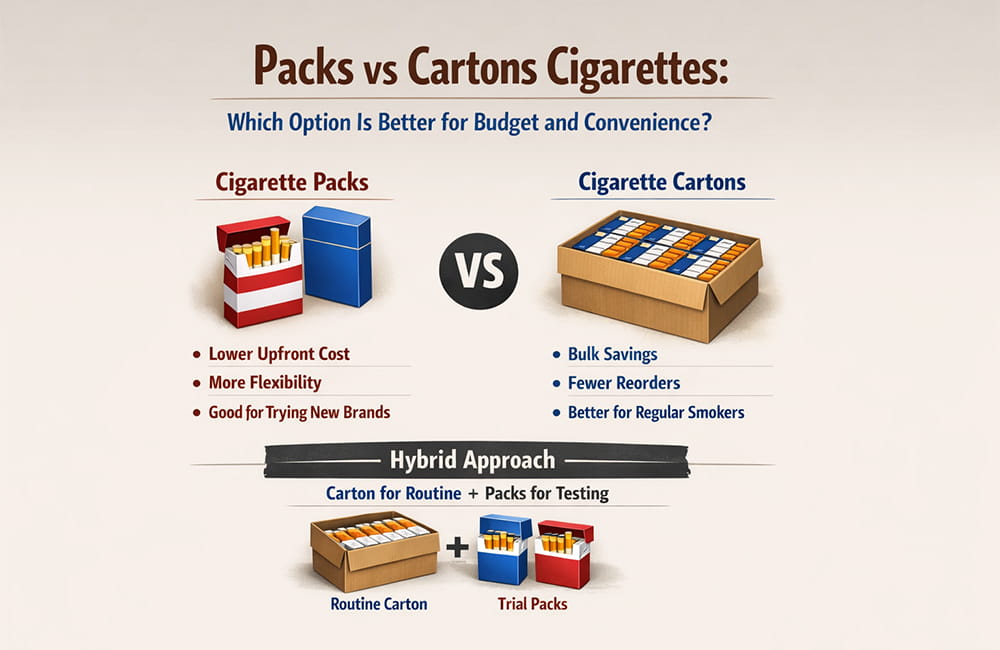
Packs vs Cartons Cigarettes: Which Option Is Better for Budget and Convenience?
Introduction If you regularly buy cigarettes, one of the most practical decisions you make is not just what brand to
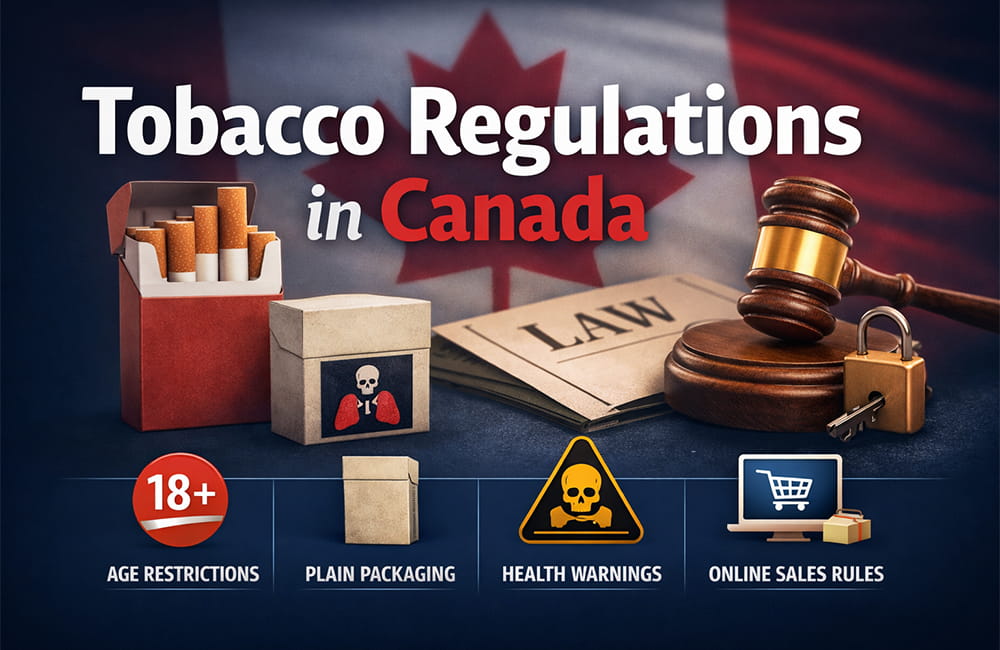
Tobacco Regulations in Canada: What Consumers and Online Buyers Need to Know
Introduction Tobacco regulations in Canada are among the strictest in the world, designed to balance public health goals with legal

The Health Effects of Smoking in Canada: Comprehensive 2026 Guide
Smoking is the leading cause of preventable death in Canada. It causes over two dozen diseases, including lung cancer, heart disease, and COPD. Tobacco use contributes to approximately 48,000 deaths annually, impacting nearly every organ system in the human body.