Blog
The Shocking Smoking Effects of a Single Cigarette Puff

Smoking a single cigarette might seem harmless to some, but even a single puff unleashes a cascade of harmful smoking effects within your body. From damaging your lungs to straining your heart, each cigarette sets off a chain reaction that can have both immediate and long-term consequences. Whether you’re a casual smoker or just curious about the science behind it, this blog explores the many smoking effects that affect your body, right from the first inhale.
The Immediate Effects of a Cigarette Puff
When you inhale cigarette smoke, the impact is almost instant. Your lungs absorb over 7,000 chemicals, including around 70 known to cause cancer. Let’s break down these “smoking effects” into what happens the moment you take a puff.
The First Few Seconds
When cigarette smoke enters your lungs, nicotine—an addictive chemical—quickly hits your bloodstream. Within 10 seconds, it reaches your brain, triggering a rush of dopamine. This feel-good neurotransmitter can make you feel more alert or relaxed, which partly explains why nicotine is so addictive.
Unfortunately, this temporary rush comes at a steep price. Harmful chemicals like carbon monoxide start reducing the oxygen your blood can deliver to vital organs, and tar begins to coat your lungs instantly. Even your heart is affected, as it starts pumping harder to make up for the decreased oxygen flow.
Your Heart and Lungs at Risk
Within minutes of smoking, your heart rate increases as nicotine narrows your blood vessels. Higher blood pressure and reduced blood flow to organs are unmistakable smoking effects on your cardiovascular system. At the same time, cigarette toxins irritate and inflame the delicate tissues of your lungs, which were designed to take in clean air—not harmful chemicals.
The Road to Nicotine Addiction
Smoking is a leading cause of substance addiction worldwide, and nicotine is the primary driver. Every puff you take strengthens your brain’s dependency on nicotine, which is one of the most significant “smoking effects” in the long term.
How Does Nicotine Hook You?
Nicotine interacts with your brain’s reward pathways, activating them faster than many other addictive substances. With repeated exposure, your body builds tolerance, meaning you’ll require more cigarettes to achieve the same satisfying dopamine highs. These “smoking effects” drive the addiction cycle and make quitting a serious challenge.
Nicotine addiction often becomes a vicious cycle that’s hard to escape. The more you smoke, the more your brain craves that dopamine rush. This craving can quickly turn into a lifelong habit that harms your entire body.
Harmful Chemicals in Cigarettes
It’s not just nicotine that wreaks havoc on your body. The “smoking effects” extend far beyond addiction due to a toxic cocktail of chemicals in cigarettes.
- Tar damages the cells lining your lungs and drastically increases the risk of lung cancer.
- Carbon monoxide deprives your organs and tissues of oxygen, forcing your heart and lungs to work overtime.
- Formaldehyde, found in cigarette smoke, causes damage to cells and is related to cancer formation.
- Ammonia is added to make nicotine hit faster, while benzene harms your body’s bone marrow over time.
These harmful substances linger in your body after each cigarette, with many of the “smoking effects” compounding over time.
Long-Term Health Risks of Smoking
Smoking isn’t just a short-lived decision—it’s a habit that can carry devastating long-term consequences. The smoking effects accumulate to cause chronic illnesses, increased cancer risks, and more.
1. Damage to the Lungs
Smoking is the leading cause of chronic obstructive pulmonary disease (COPD), which encompasses conditions like emphysema and chronic bronchitis. Symptoms such as wheezing, coughing, and difficulty breathing are some of the earliest signs of “smoking effects” on your lungs.
Most alarmingly, smoking is responsible for 80-90% of lung cancer cases. The chemicals in cigarettes damage the DNA in lung cells, increasing the chance of cancerous growths.
2. Harm to Your Heart and Blood Vessels
The negative impact on your cardiovascular system is one of the most dangerous “smoking effects.” Over time, the toxins in tobacco cause plaque buildup in your arteries, increasing the risk of heart attacks and strokes. Research shows smokers are twice as likely to develop heart disease compared to non-smokers.
3. A Weakened Immune System
Among the cumulative smoking effects is a reduction in your body’s ability to fight infections. Smokers tend to have more frequent and prolonged illnesses. Their body also recovers more slowly than that of non-smokers.
4. Skin, Teeth, and Overall Appearance
Smoking deprives your skin of oxygen, leading to premature aging, wrinkles, and an unhealthy complexion. Yellowed teeth and persistent bad breath are outward signs of “smoking effects” on your appearance.
5. Higher Cancer Risks
Although lung cancer is the most well-known risk, smoking increases your likelihood of developing at least 13 other types of cancer, including throat, bladder, and stomach cancer. Each puff exposes your body to carcinogens that quietly and persistently build damage.
The Ripple Effect on Loved Ones
The smoking effects are not confined to the smoker alone. Second-hand smoke exposes those around you to the same harmful chemicals, putting their health at risk. Children, in particular, are more likely to develop respiratory issues like asthma when exposed to second-hand smoke.
Even third-hand smoke—the residue left behind on furniture, walls, and clothes—can harm pets and children who come into contact with it.
Breaking Free from Smoking
Although the smoking effects on your body sound overwhelming, the good news is that it’s never too late to quit. Your body begins to repair itself as soon as you stop smoking.
- Within 20 minutes, your blood pressure and heart rate return to normal.
- After 12 hours, carbon monoxide levels in your bloodstream drop to safer levels.
- Within a month, lung function improves and your ability to breathe easier returns.
- After a year, your risk of heart disease decreases by half.
Quitting smoking will not only transform your health but also improve the well-being of those around you. Support groups, nicotine replacement therapies, and habit-forming tools can help ease the process and combat the smoking effects of addiction.
Final Thoughts
Each puff of a cigarette might feel small, but it initiates profound smoking effects on your lungs, heart, and overall health. Whether it’s immediate changes like oxygen deprivation or long-term risks like cancer, smoking impacts nearly every part of your body.
Related Articles
Packs vs Cartons Cigarettes: Which Option Is Better for Budget and Convenience?
Introduction If you regularly buy cigarettes, one of the most practical decisions you make is not just what brand to
Tobacco Regulations in Canada: What Consumers and Online Buyers Need to Know
Introduction Tobacco regulations in Canada are among the strictest in the world, designed to balance public health goals with legal
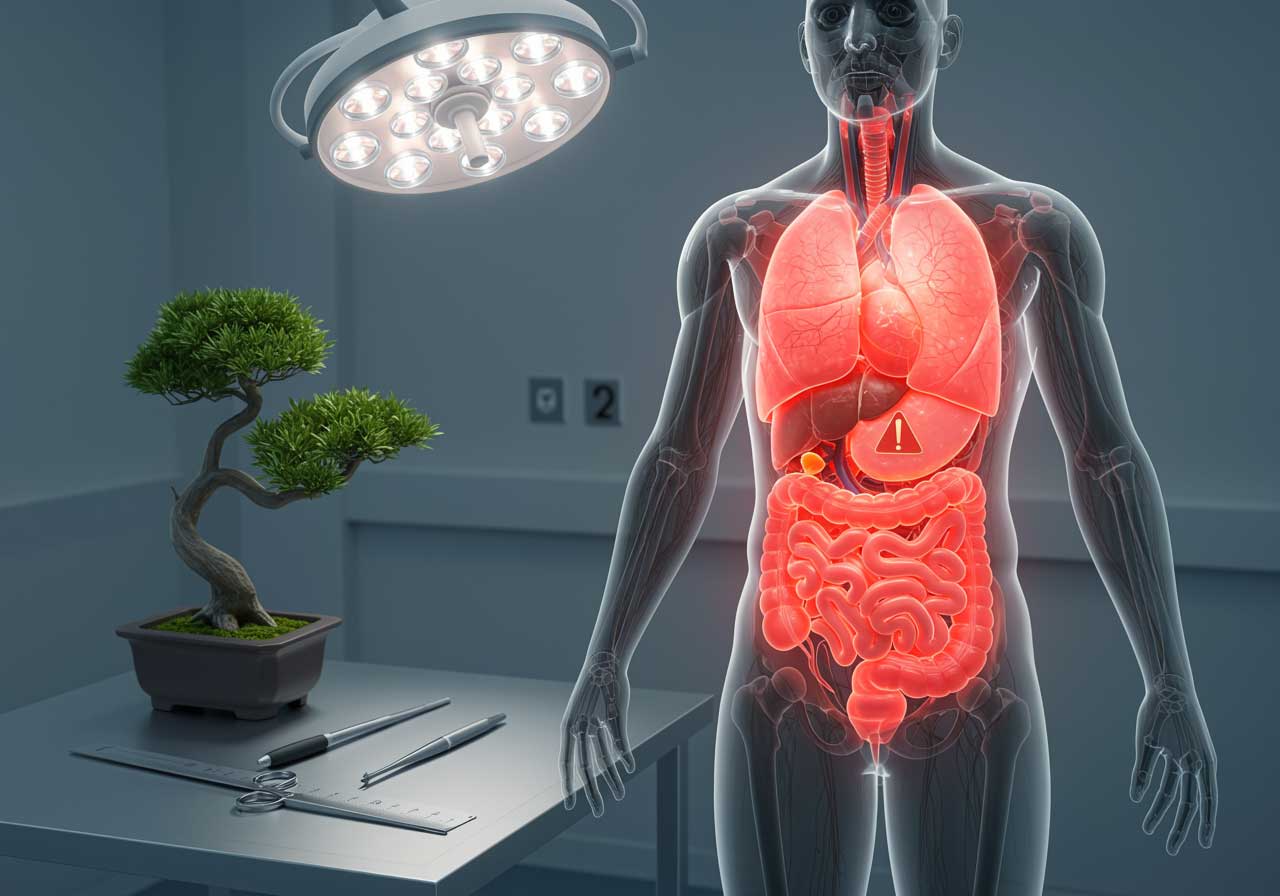
The Health Effects of Smoking in Canada: Comprehensive 2026 Guide
Smoking is the leading cause of preventable death in Canada. It causes over two dozen diseases, including lung cancer, heart disease, and COPD. Tobacco use contributes to approximately 48,000 deaths annually, impacting nearly every organ system in the human body.