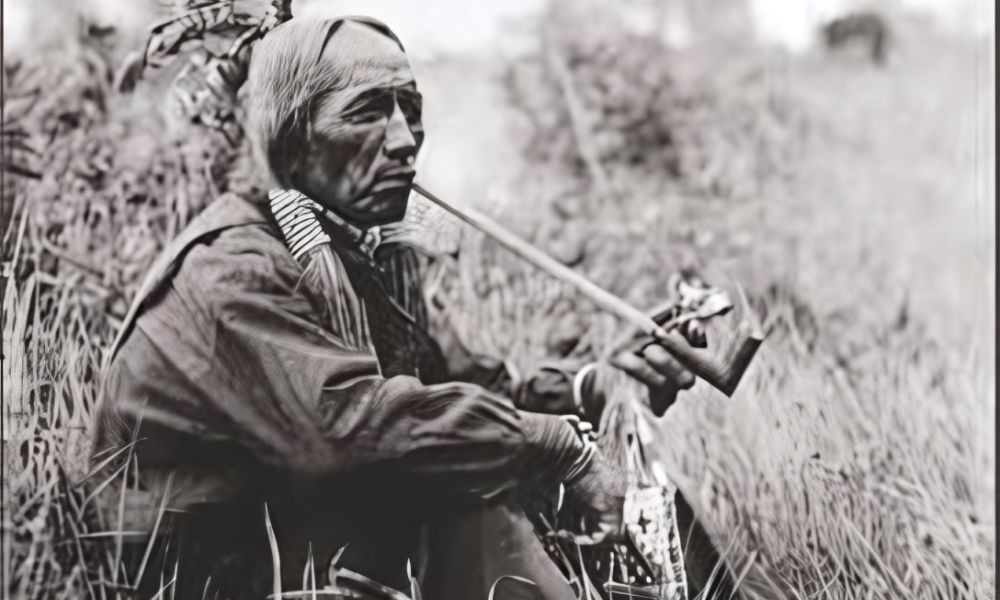
Native cigarettes have a unique place in the history of smoking, offering a fascinating glimpse into indigenous cultures and their influence on modern habits. This journey through time explores the origins, cultural significance, and evolution of native cigarettes, shedding light on their enduring legacy.
The Origins of Tobacco Use
Tobacco has been cultivated and used by Native American tribes for thousands of years, long before the arrival of Europeans in the Americas. Indigenous peoples used tobacco in various forms, including pipes and cigars, primarily for ceremonial and medicinal purposes. The plant was revered as a sacred gift, integral to spiritual rituals and community gatherings.
Cultural Significance
For many indigenous tribes, tobacco was more than just a recreational substance; it was a vital part of their cultural identity. Smoking ceremonies were, and still are, performed to mark significant events, seal agreements, and communicate with the spiritual world. The act of smoking native cigarettes was deeply symbolic, representing a connection between the physical and spiritual realms.
The Introduction of Tobacco to Europe
The journey of the cigarettes took a significant turn in the late 15th century when European explorers encountered tobacco in the New World. Fascinated by its effects, they brought tobacco back to Europe, where it quickly gained popularity. The introduction of tobacco to European society marked the beginning of its global spread, transforming it from a sacred plant into a commercial commodity.
The Evolution of Native Cigarettes
As tobacco cultivation expanded, so did the production of these cigarettes. Indigenous methods of rolling and smoking tobacco were adopted and adapted by various cultures, leading to the creation of different cigarette styles. Despite the commercialization of tobacco, these cigarettes retained their cultural importance among indigenous communities, symbolizing resilience and heritage.
The Impact of Colonization
The colonization of the Americas had profound effects on tobacco practices. European settlers imposed their own tobacco cultivation techniques, often disregarding indigenous knowledge and traditions. This led to the exploitation of resources and the marginalization of indigenous peoples. Despite these challenges, communities continued to preserve their tobacco rituals and resist cultural assimilation.
Modern-Day Cigarettes
Today, native cigarettes are produced by indigenous-owned companies, often on reservations, and are sold both locally and internationally. These cigarettes are typically made using traditional methods and natural ingredients, appealing to consumers seeking an authentic and culturally respectful smoking experience. The production and sale of native cigarettes also play a crucial role in supporting indigenous economies and preserving cultural heritage.
The Legal and Economic Landscape
The production and sale of cigarettes are subject to complex legal and economic dynamics. In many countries, indigenous communities have special rights to produce and sell tobacco products, often exempt from certain taxes and regulations. This has led to legal disputes and debates over sovereignty and economic independence. Despite these challenges, native cigarette companies continue to thrive, contributing to the economic empowerment of indigenous peoples.
The Cultural Revival and Preservation
In recent years, there has been a resurgence of interest in native cigarettes, driven by a broader cultural revival among indigenous communities. Efforts to preserve traditional tobacco practices are gaining momentum, with initiatives focused on educating younger generations about their cultural significance. This revival is not only about preserving the past but also about reclaiming identity and fostering pride in indigenous heritage.
Conclusion
The history of native cigarettes is a rich tapestry of cultural significance, resilience, and adaptation. From their sacred origins among Native American tribes to their modern-day production and sale, native cigarettes represent a journey through time that continues to evolve. As indigenous communities strive to preserve their cultural heritage, native cigarettes remain a powerful symbol of identity and resistance.
By understanding and appreciating the history of native cigarettes, we gain insight into the broader narrative of indigenous resilience and cultural preservation. This journey through time reminds us of the enduring legacy of native cigarettes and their place in the cultural landscape of today.