Blog
The Health Considerations of Smoking Native Cigarettes
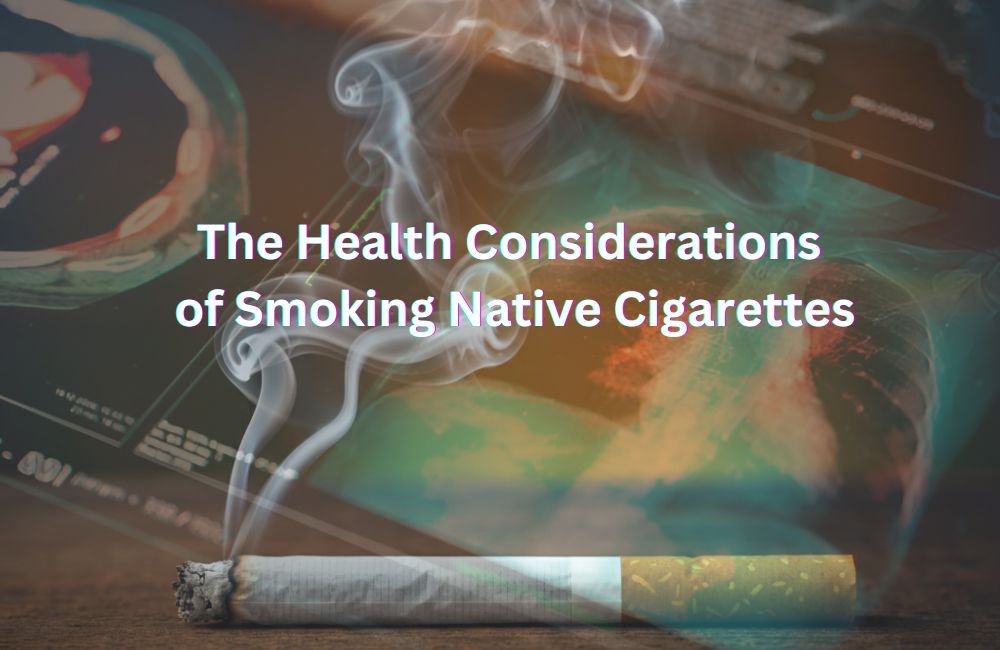
Smoking Native cigarettes has gained attention for its cultural significance and unique production methods. As more people explore these alternatives, it’s crucial to understand the health considerations involved. This article delves into the vital health aspects of smoking Native cigarettes, helping you make informed choices.
Section 1: Understanding Native Cigarettes
Smoking Native cigarettes often involves using traditional methods developed and maintained by Indigenous communities. Unlike commercial brands, Native cigarettes may use natural tobacco grown and harvested without synthetic fertilizers or pesticides. The production process often excludes chemical additives commonly found in commercial cigarettes, such as preservatives, artificial flavorings, or combustion accelerants. This distinction appeals to individuals seeking a more “authentic” or natural smoking experience.
For Indigenous communities, the practice of using tobacco has roots in ceremonial, spiritual, and medicinal traditions, where tobacco is viewed as sacred and not intended for recreational abuse. However, as Native cigarettes become more commercially available, it’s important to recognize that “natural” does not necessarily equate to safer when it comes to smoking Native cigarettes.
Section 2: Health Impacts of Smoking Native Cigarettes
Regardless of whether you smoke commercial or Native cigarettes, tobacco use poses significant health risks. Cigarette smoking is directly linked to severe health conditions, including:
- Lung Cancer: Tobacco smoke contains carcinogens that can cause mutations in lung cells, leading to cancer.
- Heart Disease: Smoking increases blood pressure, reduces oxygen supply, and accelerates plaque buildup in arteries, which raises the risk of heart attacks and strokes.
- Respiratory Issues: Smoking damages the lungs, leading to chronic bronchitis, emphysema, and other respiratory diseases.
- Addiction: Tobacco contains nicotine, a highly addictive substance that can lead to dependence, regardless of its source.
Although Native cigarettes may lack some of the chemicals found in commercial brands, they still contain tar, nicotine, and harmful toxins produced during combustion. Smoking any type of tobacco involves inhaling substances that harm your lungs, heart, and overall health.
Section 3: The Role of Additives and Chemicals
One of the selling points of Native cigarettes is the absence or reduced use of additives. Commercial cigarettes are often laden with chemicals designed to:
- Enhance Flavor: Additives such as sugars, menthol, and artificial flavorings mask the harshness of smoke.
- Preserve Shelf Life: Preservatives ensure cigarettes remain fresh for extended periods.
- Improve Combustion: Certain chemicals accelerate burning, allowing cigarettes to smoke consistently.
In contrast, Native cigarettes often offer a more traditional, purer form of tobacco. However, it’s vital to remember that tobacco itself contains harmful substances. Even in its purest form, the combustion of tobacco produces carbon monoxide, tar, and other toxins that are detrimental to your health.
Section 4: Cultural and Social Considerations
For Indigenous peoples, tobacco holds a deep cultural and spiritual significance. It is often used in ceremonial practices, prayer, and as a symbol of respect and gratitude. In these contexts, tobacco is not inhaled recreationally but offered in ways that align with Indigenous teachings and traditions.
Understanding this cultural context is essential for respecting the heritage and meaning behind Native cigarettes. However, as Native tobacco products enter the consumer market, it becomes important to differentiate between ceremonial practices and recreational smoking. Misusing culturally significant products for habitual smoking undermines their original purpose and can contribute to health risks.
Section 5: Regulatory and Legal Aspects
In Canada, Native cigarettes fall under different regulatory frameworks compared to commercial brands. Key points include:
- Production and Distribution: Native cigarettes are often produced on reserves, where manufacturers may operate under unique rules that reflect Indigenous rights and governance.
- Taxation: Native cigarettes may not be subject to the same taxes as commercial cigarettes, making them more affordable for consumers. However, this has sparked debates regarding taxation fairness and public health policy.
- Legal Purchase: Consumers must ensure they are purchasing Native cigarettes from authorized retailers or reserves. Buying from unregulated sources may contribute to illegal trade and pose additional risks.
Understanding these legal aspects is critical for consumers to avoid unintentionally engaging in unlawful purchases.
Section 6: Environmental Considerations
The production of Native cigarettes may have a smaller environmental footprint than commercial brands. Natural farming methods, which often exclude chemical pesticides and synthetic fertilizers, can contribute to healthier soil and reduced pollution. Additionally, small-scale Indigenous farming practices may prioritize sustainability over mass production.
However, the environmental impact of smoking itself remains harmful. Cigarette butts, regardless of the type of cigarette, are one of the most littered items globally, contaminating water sources and harming wildlife.
Section 7: Making Informed Choices
When considering smoking Native cigarettes, it is essential to weigh cultural significance, production methods, and health risks. Here are some factors to keep in mind:
- Educate Yourself: Understand the production processes, ingredients, and cultural meaning behind Native cigarettes.
- Health Risks: Be aware that even natural tobacco is harmful when smoked.
- Cultural Respect: Acknowledge the difference between ceremonial use and recreational smoking, and avoid trivializing Indigenous traditions.
- Consult Professionals: If you have concerns about smoking, speak to healthcare providers for guidance and support.
- Health Alternatives: The safest choice for your health is to avoid smoking entirely. For those looking to quit, resources such as counseling, nicotine replacement therapy, and support groups can help.
Conclusion
Smoking Native cigarettes offers a unique perspective that blends cultural heritage, tradition, and modern consumption. While they may differ from commercial brands in their production methods and additives, the health risks of smoking remain substantial. By understanding the cultural context, regulatory considerations, and health implications, you can make informed decisions about your smoking habits.
Ultimately, respecting Indigenous traditions while prioritizing your health is key. Awareness and education empower you to make choices that align with both your values and well-being.
Related Articles
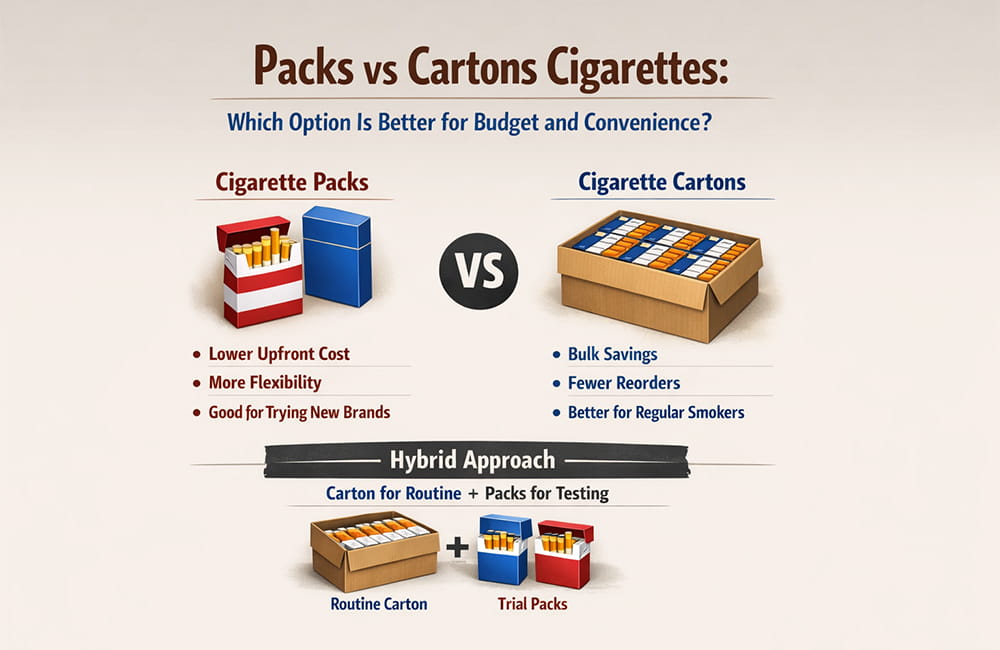
Packs vs Cartons Cigarettes: Which Option Is Better for Budget and Convenience?
Introduction If you regularly buy cigarettes, one of the most practical decisions you make is not just what brand to
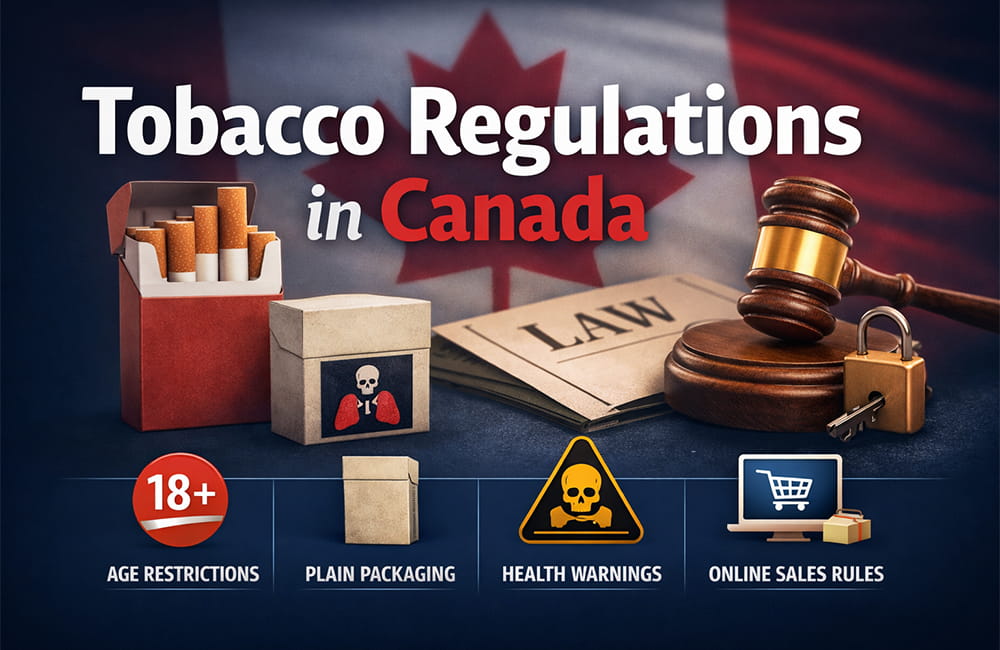
Tobacco Regulations in Canada: What Consumers and Online Buyers Need to Know
Introduction Tobacco regulations in Canada are among the strictest in the world, designed to balance public health goals with legal

The Health Effects of Smoking in Canada: Comprehensive 2026 Guide
Smoking is the leading cause of preventable death in Canada. It causes over two dozen diseases, including lung cancer, heart disease, and COPD. Tobacco use contributes to approximately 48,000 deaths annually, impacting nearly every organ system in the human body.