Blog
The Fascinating Social Aspect of Smoking

Introduction
Social aspect of Smoking has long been more than just a personal habit; it’s a social ritual that has woven itself into the fabric of communities worldwide. From the smoky jazz clubs of the 1920s to the casual smoke breaks of today, cigarettes have played a pivotal role in social interactions. This article explores how smoking fosters community and connection among individuals.
Historical Context of Smoking as a Social Activity
The history of smoking is rich with social significance. In the early 20th century, smoking was often associated with glamour and sophistication, thanks in part to Hollywood’s portrayal of iconic stars with cigarettes in hand. Smoking lounges and clubs became popular gathering spots, where people from all walks of life could connect over a shared vice. These spaces provided a sense of belonging and camaraderie, transcending social and economic barriers.
Smoking also played a role in major historical events, such as wartime solidarity. Soldiers often bonded over shared cigarette breaks, finding moments of connection and humanity amidst the chaos. The tradition of smoking as a social activity has evolved, but its historical roots highlight its importance in fostering relationships and creating shared experiences.
The Role of Cigarettes in Social Interactions
Cigarettes often serve as social lubricants, easing the awkwardness of initial interactions. The act of offering a cigarette can be a gesture of goodwill, breaking the ice and sparking conversations. In workplaces, smoke breaks offer employees a chance to step away from their desks and engage in informal chats, fostering relationships that might not develop in a formal setting. This shared ritual creates a unique bond among smokers, who often find solace in each other’s company.
The role of smoking in social interactions extends beyond casual encounters. In many cultures, smoking ceremonies or rituals are integral to community bonding. These traditions underscore the role of smoking in creating a sense of unity and shared purpose. Even in modern contexts, the act of stepping outside for a cigarette can lead to meaningful conversations and lasting friendships.
Aspect of Smoking and Social Identity
For many, smoking is intertwined with their social identity. It can signify rebellion, sophistication, or membership in a particular subculture. The image of the “cool” smoker has been perpetuated by media and advertising, influencing how individuals perceive themselves and others. Smoking has often been used as a tool for self-expression, with individuals choosing specific brands or styles to reflect their personality.
However, this identity is not without its challenges, as smokers often face societal judgment and stigma. Despite this, the sense of belonging to a community of smokers can be a powerful motivator to continue the habit. Smoking can also create solidarity among those who feel marginalized or misunderstood, providing a shared experience that transcends individual differences.
The Changing Social Dynamics of Smoking
The social landscape of smoking has shifted dramatically in recent years. With the implementation of smoking bans in public spaces, smokers have had to adapt to new social norms. These regulations have pushed smoking into more private or designated areas, altering the communal aspect of the activity. Additionally, the rise of e-cigarettes and vaping has introduced new dynamics, with these alternatives often seen as more socially acceptable. This evolution reflects broader changes in societal attitudes towards smoking and health.
Technology has also begun to play a role in changing how people connect through smoking. Online forums and social media groups dedicated to smoking culture have created virtual spaces where individuals can share experiences, advice, and stories. These digital interactions are reshaping the way smoking fosters community, offering new opportunities for connection.
The Future of Smoking and Community
As society continues to evolve, so too will the social aspects of smoking. The future may see further integration of technology in smoking products, potentially creating new forms of social interaction. Virtual smoking lounges or online communities could emerge, allowing smokers to connect without physical proximity. Additionally, as public health campaigns continue to highlight the risks of smoking, the social dynamics may shift towards support and cessation communities, where individuals come together to quit smoking.
Environmental concerns may also influence the future of smoking. With increasing awareness about the impact of cigarette waste, there could be a rise in community initiatives aimed at reducing litter and promoting sustainable practices. These efforts might transform smoking from a solitary act into a collective movement with a focus on environmental responsibility.
Conclusion
Despite the changing tides of public perception and regulation, the social aspect of smoking remains a significant part of its appeal. Whether through shared experiences, identity, or community, smoking continues to bring people together in unique ways. As we look to the future, it’s clear that the social dynamics of smoking will continue to evolve, reflecting broader societal changes. We invite you to share your own experiences and thoughts on the social aspects of smoking in the comments below.
Related Articles
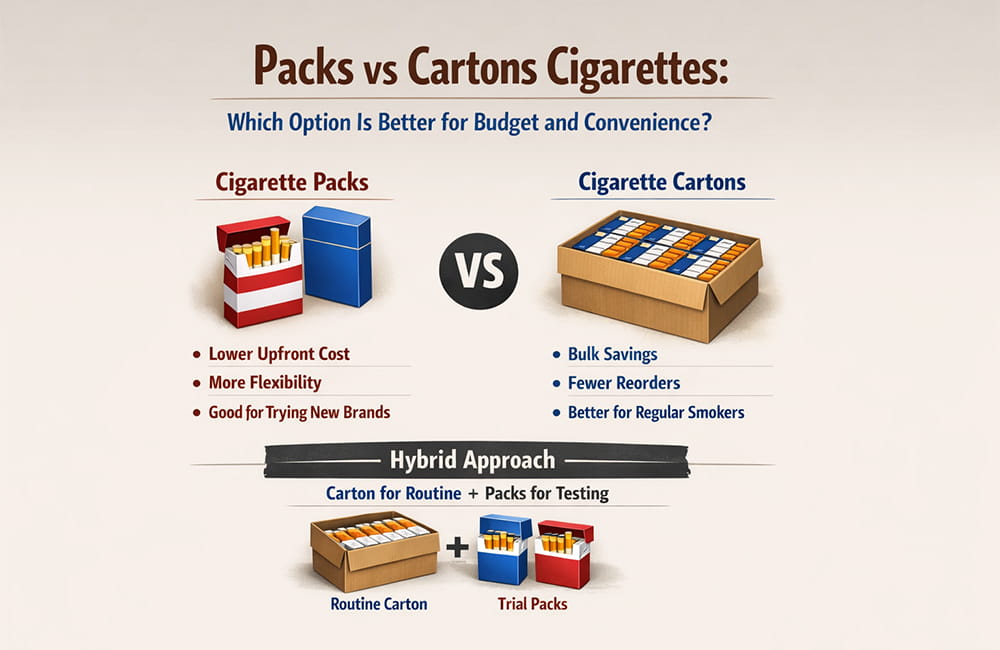
Packs vs Cartons Cigarettes: Which Option Is Better for Budget and Convenience?
Introduction If you regularly buy cigarettes, one of the most practical decisions you make is not just what brand to
Tobacco Regulations in Canada: What Consumers and Online Buyers Need to Know
Introduction Tobacco regulations in Canada are among the strictest in the world, designed to balance public health goals with legal

The Health Effects of Smoking in Canada: Comprehensive 2026 Guide
Smoking is the leading cause of preventable death in Canada. It causes over two dozen diseases, including lung cancer, heart disease, and COPD. Tobacco use contributes to approximately 48,000 deaths annually, impacting nearly every organ system in the human body.