Introduction
Cigarette production is a massive global industry, with billions of cigarettes manufactured and consumed each year. While the health impacts of smoking are well-documented, the environmental impact of cigarette production is less frequently discussed. This blog post aims to shed light on the environmental footprint of cigarette production, from tobacco farming to post-consumption waste.
Overview of Cigarette Production
Cigarette production involves several stages, starting with the cultivation of tobacco plants. Once harvested, the tobacco leaves are cured, processed, and manufactured into cigarettes. This process is resource-intensive, requiring significant amounts of water, energy, and raw materials. The global scale of production exacerbates the environmental impact, with millions of acres dedicated to tobacco farming worldwide.
Once the tobacco plants are mature, they are harvested and undergo a curing process. Curing is essential for developing the flavor and aroma of the tobacco, and it involves drying the leaves in controlled environments. This stage is resource-intensive, as it requires significant amounts of energy to maintain the necessary temperature and humidity levels. The curing process can also produce emissions that contribute to air pollution.
Environmental Impact of Tobacco Farming
Tobacco farming is a leading cause of deforestation, as forests are cleared to make way for tobacco plantations. This deforestation contributes to habitat loss and a decline in biodiversity, highlighting the environmental impact of such practices. Additionally, tobacco farming relies heavily on chemical fertilizers and pesticides, which can leach into the soil and waterways, causing pollution and harming aquatic life. The monoculture nature of tobacco farming also depletes soil nutrients, leading to long-term soil degradation, further emphasizing its environmental impact.
Manufacturing and Waste
The manufacturing of cigarettes is energy-intensive, contributing to greenhouse gas emissions and adding to the environmental impact. Factories require electricity and fuel to operate machinery, and the production process generates significant waste, including tobacco scraps, paper, and chemicals. Cigarette filters, made from cellulose acetate, are non-biodegradable and contribute to plastic pollution. The packaging and transportation of cigarettes further add to the environmental burden, with emissions from vehicles and waste from packaging materials.
In addition to energy use, the cigarette manufacturing process generates a considerable amount of waste. This includes tobacco scraps, which are often discarded rather than repurposed, and paper waste from cigarette rolling and packaging. The chemicals used in processing tobacco and manufacturing cigarettes can also pose environmental hazards if not properly managed. These chemicals can leach into the soil and waterways, causing pollution and potentially harming local ecosystems.
Post-Consumption Environmental Effects
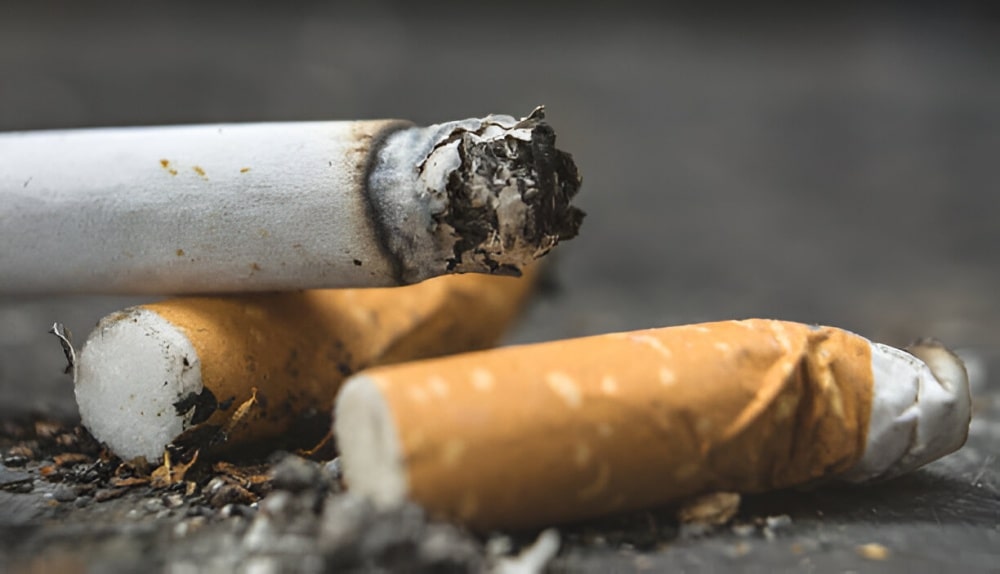
Cigarette butts are the most littered item globally, with trillions discarded each year. These butts contain toxic chemicals that can leach into the environment, contaminating soil and water, thus having a significant environmental impact. In marine environments, cigarette butts pose a threat to wildlife, as they can be mistaken for food by fish and birds. The accumulation of cigarette litter in urban areas also contributes to visual pollution and requires significant resources for cleanup, highlighting the ongoing environmental impact.
Mitigation and Sustainable Practices
Efforts to mitigate the environmental impact of cigarette production are underway, though progress is slow. Some tobacco companies are exploring sustainable farming practices, such as crop rotation and organic farming, to reduce chemical use and improve soil health. Innovations in biodegradable filters and eco-friendly packaging are also being developed. Regulatory measures, such as bans on smoking in public places and increased taxes on tobacco products, can help reduce consumption and, consequently, production, thereby lessening the environmental impact.
Conclusion
The environmental impact of cigarette production is a pressing issue that requires attention from both the industry and consumers. By understanding the full scope of these impacts, we can advocate for more sustainable practices and policies. As consumers, being aware of the environmental footprint of our choices can drive demand for more eco-friendly products and practices in the tobacco industry.