Blog
Smokeless Tobacco in Canada: A Powerful Overview
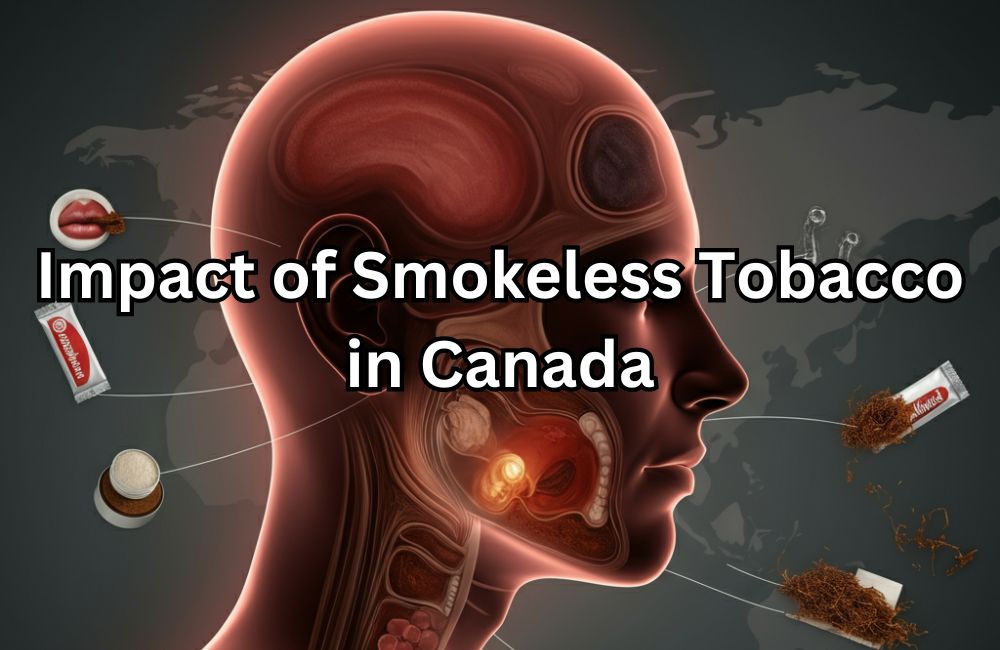
Smokeless tobacco in Canada is a growing concern, with its unique challenges and impacts often overshadowed by smoking. Products like chewing tobacco and snuff are gaining traction, making it essential to understand their effects. This article explores the multifaceted impact of smokeless tobacco in Canada, from health implications to regulatory measures.
What is Smokeless Tobacco?
Smokeless tobacco in Canada refers to products consumed without burning. Unlike traditional cigarettes, these products are used orally or nasally. Common types include:
- Chewing Tobacco: Loose tobacco leaves placed between the cheeks and gums.
- Snuff: Finely ground tobacco, which can be sniffed or placed in the mouth.
- Snus (pronounced “snoose”): Moist tobacco sold in pouches, designed to sit under the upper lip.
- Dissolvable Tobacco: Compressed tobacco that dissolves in the mouth, such as pellets, sticks, or strips.
Despite their differences in form, these products all deliver nicotine, making them addictive like cigarettes. Smokeless tobacco in Canada comes in various types, each with unique patterns of usage and health implications.
Prevalence of Smokeless Tobacco in Canada
While smoking rates in Canada have been declining, smokeless tobacco in Canada still appeals to certain demographics. Research suggests its use is more prevalent among specific groups, including younger individuals and those in rural areas. Here’s a closer look at the key trends:
- Youth Appeal
Flavored smokeless tobacco products often attract the younger generation. Fruity and minty flavors mask the harshness of tobacco, making it more appealing to first-time users. - Rural and Remote Areas
Accessibility and cultural norms significantly influence tobacco habits. People in rural regions, where traditional values may dominate, tend to use smokeless tobacco in Canada more commonly.
While overall usage is lower compared to cigarettes, its persistent presence in certain niches raises concern. Unfortunately, the perception that smokeless tobacco in Canada is a “safer” alternative perpetuates its use, despite clear evidence of health risks.
The Health Risks of Smokeless Tobacco
Smokeless doesn’t mean harmless. While it might spare users from the toxins released in smoke, it comes with its own set of dangers. Prolonged use of smokeless tobacco in Canada can cause severe harm, including:
1. Oral Health Issues
- Smokeless tobacco is known to cause gum recession, where the gums pull away from the teeth.
- Regular use increases the risk of cavities due to the high sugar content in some products.
- Oral cancers, particularly cancers of the mouth, throat, and tongue, are strongly linked to these products.
2. Nicotine Addiction
- Smokeless tobacco in Canada often contains high levels of nicotine, spurring addiction rapidly. Nicotine dependence leads to difficulty in quitting over time, with users experiencing withdrawal symptoms regularly.
3. Heart and Digestive Problems
- Excessive use increases the risk of high blood pressure and heart disease.
- Swallowing saliva mixed with tobacco chemicals can lead to digestive issues, including stomach irritation.
4. Cancer Beyond the Oral Cavity
- The carcinogens in smokeless tobacco are linked to cancers beyond the oral cavity, such as esophageal and pancreatic cancers. Understanding the health risks
Economic Impact of Smokeless Tobacco
Economically, smokeless tobacco in Canada presents a dual-edged sword. On one hand, it contributes to the economy through taxation and job creation within the tobacco industry. On the other, it burdens the healthcare system with costs related to treating diseases caused by its use. A study by the Canadian Institute for Health Information highlights the millions spent annually on healthcare for tobacco-related illnesses, including those from smokeless tobacco in Canada.
Regulatory Environment
Canada’s regulatory framework for smokeless tobacco in Canada is stringent. Health Canada enforces strict labeling requirements and advertising restrictions to curb its use. Recent legislation has focused on reducing youth access, with age restrictions and public education campaigns. The Tobacco and Vaping Products Act plays a pivotal role in shaping these regulations, aiming to protect public health while balancing economic interests related to smokeless tobacco in Canada.
Social and Cultural Impact
Socially, smokeless tobacco in Canada carries a stigma, often associated with rural and indigenous communities. Public perception is slowly shifting, thanks to awareness campaigns highlighting its dangers. Cultural practices, however, still influence its use, with some communities viewing smokeless tobacco in Canada as a traditional practice. Advocacy groups like the Non-Smokers’ Rights Association work tirelessly to educate the public and promote cessation of smokeless tobacco in Canada.
Alternatives and Cessation Resources for Smokeless Tobacco
For those seeking to quit smokeless tobacco in Canada, numerous resources are available. Nicotine replacement therapies, such as patches and gums, offer alternatives to reduce dependency. Support groups and helplines, like the Canadian Cancer Society’s Smokers’ Helpline, provide guidance and encouragement. Successful cessation programs, such as QuitNow, have shown promising results, helping thousands of Canadians overcome their addiction to smokeless tobacco in Canada.
Conclusion
The impact of smokeless tobacco in Canada is multi-faceted, affecting public health, policies, and individuals’ lives. While regulatory measures are critical, raising awareness and providing cessation support can further reduce usage rates. Whether you’re a current user or someone helping a loved one quit, knowledge and resources are your best allies.
Choosing health over habit ensures a brighter, tobacco-free future—for yourself and your community. It’s time to recognize the risks and empower each other to take control of our choices. Together, we can reduce the grip of smokeless tobacco in Canada, one step at a time.
Remember, resources for quitting are readily available. Reach out to Health Canada or your healthcare provider for personalized support.
Related Articles
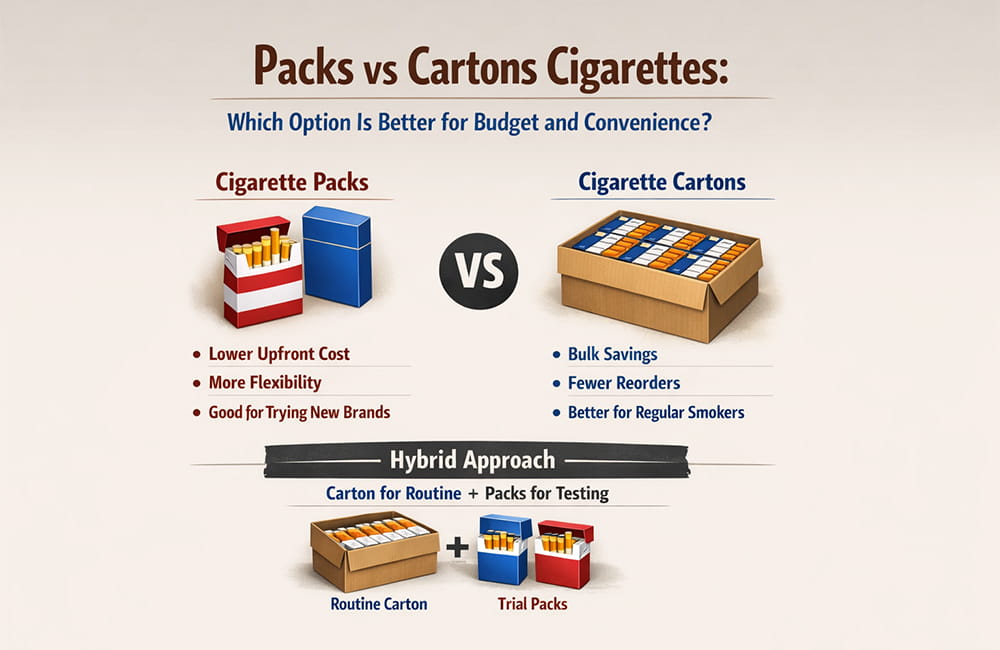
Packs vs Cartons Cigarettes: Which Option Is Better for Budget and Convenience?
Introduction If you regularly buy cigarettes, one of the most practical decisions you make is not just what brand to
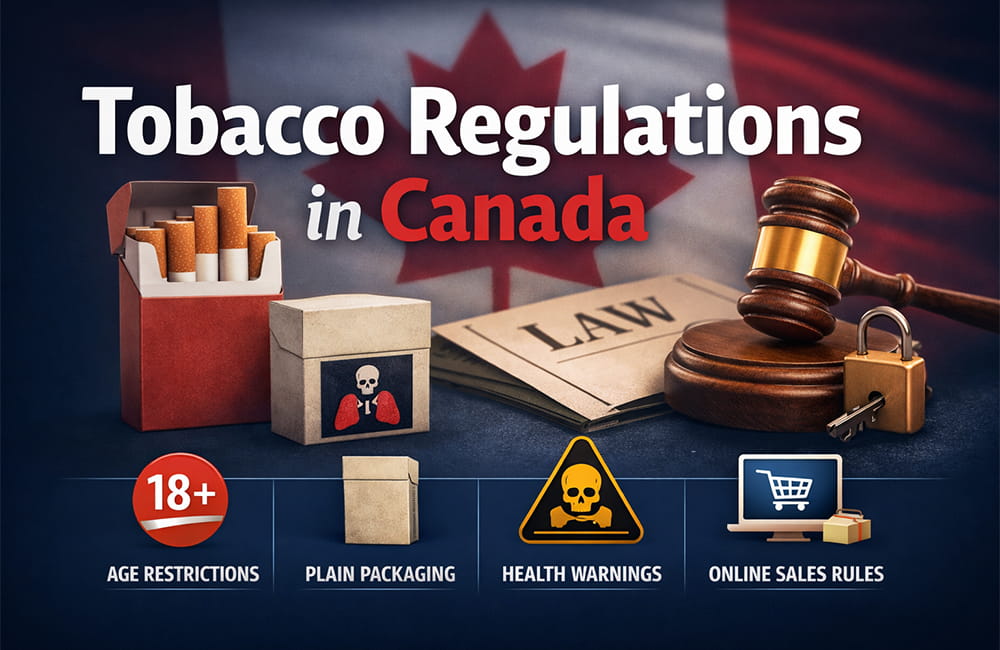
Tobacco Regulations in Canada: What Consumers and Online Buyers Need to Know
Introduction Tobacco regulations in Canada are among the strictest in the world, designed to balance public health goals with legal

The Health Effects of Smoking in Canada: Comprehensive 2026 Guide
Smoking is the leading cause of preventable death in Canada. It causes over two dozen diseases, including lung cancer, heart disease, and COPD. Tobacco use contributes to approximately 48,000 deaths annually, impacting nearly every organ system in the human body.