Blog
Shocking Effects of Smoking on Your Body

Smoking is a habit that has been ingrained in cultures worldwide for centuries. Despite widespread awareness of its dangers, millions continue to smoke, often unaware of the full extent of the effects of smoking on their bodies. This article aims to uncover the shocking effects of smoking, providing insights that could motivate change and promote healthier lifestyles.
The Immediate Effects of Smoking
From the first puff, the effects of smoking begin to alter the body’s normal functions. The inhalation of smoke irritates the respiratory tract, leading to coughing and shortness of breath. Nicotine, the addictive substance in cigarettes, quickly enters the bloodstream, causing an immediate spike in heart rate and blood pressure. These changes can lead to dizziness and a temporary sense of relaxation, masking the harmful effects taking place.
Long-Term Health Consequences
The long-term effects of smoking are severe and well-documented. Smoking is the leading cause of preventable diseases and deaths worldwide. It significantly increases the risk of developing lung cancer, with smokers being 15 to 30 times more likely to develop the disease than non-smokers. Additionally, smoking contributes to heart disease by damaging blood vessels and increasing the risk of atherosclerosis, which can lead to heart attacks and strokes. The brain is not spared either, as smoking is linked to cognitive decline and an increased risk of dementia.
The Impact on Physical Appearance
Beyond internal health, the effects of smoking take a toll on physical appearance. The chemicals in tobacco smoke damage collagen and elastin, leading to premature aging and wrinkles. Smokers often develop a characteristic “smoker’s face,” marked by deep lines and a sallow complexion. Oral health suffers as well, with smokers experiencing stained teeth, bad breath, and a higher risk of gum disease. Hair and nails can become brittle and discolored, further affecting one’s appearance.
Mental and Emotional Effects
The effects of smoking extend to mental health, where it can exacerbate conditions like anxiety and depression. While nicotine provides a temporary mood boost, it ultimately leads to increased stress and irritability as the effects wear off. The addictive nature of nicotine creates a cycle of dependency, where smokers feel compelled to light up to alleviate withdrawal symptoms. This addiction can strain relationships and lead to social isolation, as smoking becomes a central focus in one’s life.
The Effects on Reproductive Health
Smoking poses significant risks to reproductive health. In men, it can lead to reduced sperm count and motility, affecting fertility. Women who smoke may experience irregular menstrual cycles and a higher risk of infertility. During pregnancy, smoking increases the risk of complications such as preterm birth, low birth weight, and birth defects. It can also affect the baby’s long-term health, increasing the likelihood of respiratory issues and developmental delays.
Secondhand Smoke: The Hidden Danger
The dangers of smoking extend beyond the smoker, affecting those around them through secondhand smoke. Non-smokers exposed to secondhand smoke are at risk of developing respiratory infections, asthma, and even lung cancer. Children are particularly vulnerable, with exposure leading to increased rates of sudden infant death syndrome (SIDS), ear infections, and developmental problems. Protecting loved ones from secondhand smoke is crucial for their health and well-being.
Quitting Smoking: The Path to Recovery
Quitting smoking is challenging but immensely rewarding. Numerous resources are available to support those looking to quit, including nicotine replacement therapies, counseling, and support groups. The health benefits of quitting are profound and begin almost immediately. Within weeks, lung function improves, and the risk of heart disease starts to decrease. Over time, the risk of cancer and other smoking-related diseases continues to decline, leading to a longer, healthier life.
Environmental Consequences of Smoking
The effects of smoking are not limited to human health; they also impact the environment. Cigarette production involves the use of harmful chemicals and deforestation, contributing to environmental degradation. Moreover, cigarette butts are one of the most common forms of litter worldwide, taking years to decompose and releasing toxins into the soil and waterways.
The environmental footprint of smoking extends to air pollution as well. Tobacco smoke contains numerous pollutants that contribute to poor air quality, affecting both smokers and non-smokers. By reducing smoking rates, we can also reduce the environmental impact and promote a healthier planet.
Social Stigma and Smoking
In recent years, the social perception of smoking has shifted significantly. As awareness of the effects of smoking has grown, so has the stigma associated with it. Many public places have implemented smoking bans, and there is a growing movement towards smoke-free environments. This shift reflects a broader societal commitment to health and well-being.
However, the stigma can also create challenges for smokers trying to quit. Feelings of shame or isolation may hinder their efforts. It’s important to approach smoking cessation with empathy and support, recognizing the difficulties involved in overcoming addiction.
Empowering Change Through Education
Education is a powerful tool in combating the effects of smoking. By raising awareness about the risks and providing resources for quitting, we can empower individuals to make informed choices. Schools, healthcare providers, and community organizations play a crucial role in disseminating information and supporting smoking cessation efforts.
Encouraging open conversations about the effects of smoking can also help reduce stigma and promote understanding. By fostering a supportive environment, we can help individuals on their journey to a smoke-free life and contribute to a healthier society.
Conclusion
The effects of smoking on the body are indeed shocking, impacting nearly every organ and system. Awareness and education are key in combating the smoking epidemic and encouraging healthier choices. By understanding the full scope of the effects of smoking, individuals can make informed decisions and take steps towards a smoke-free life. Sharing this information and supporting those trying to quit can create a ripple effect, promoting health and well-being in communities worldwide.
Related Articles
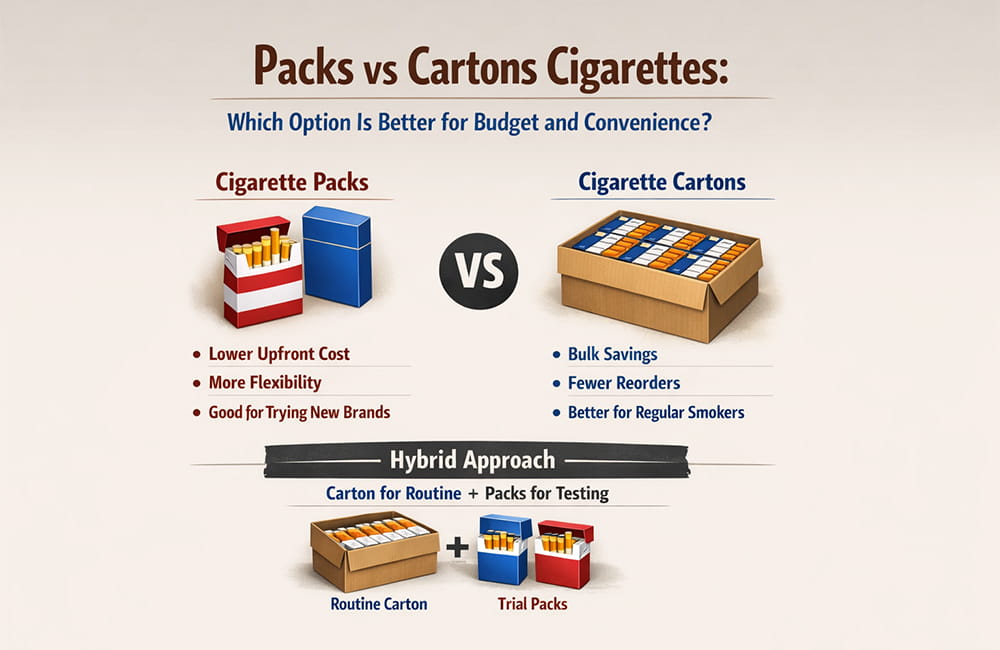
Packs vs Cartons Cigarettes: Which Option Is Better for Budget and Convenience?
Introduction If you regularly buy cigarettes, one of the most practical decisions you make is not just what brand to
Tobacco Regulations in Canada: What Consumers and Online Buyers Need to Know
Introduction Tobacco regulations in Canada are among the strictest in the world, designed to balance public health goals with legal

The Health Effects of Smoking in Canada: Comprehensive 2026 Guide
Smoking is the leading cause of preventable death in Canada. It causes over two dozen diseases, including lung cancer, heart disease, and COPD. Tobacco use contributes to approximately 48,000 deaths annually, impacting nearly every organ system in the human body.