Blog
Science of Cannabis: How It Powerfully Affect Your Brain
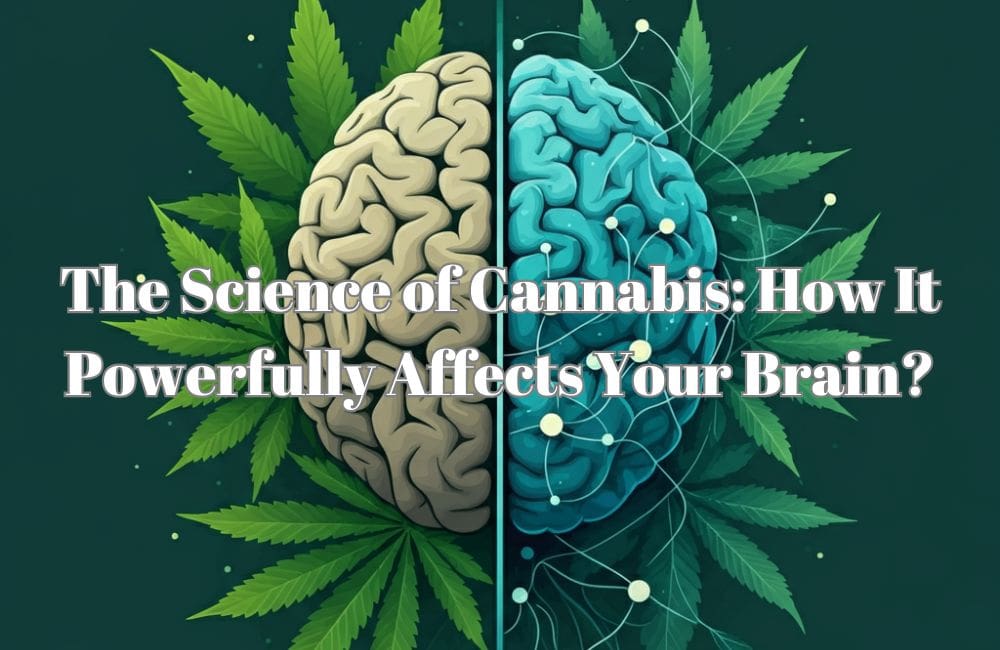
Cannabis has sparked global conversations, from its medicinal benefits to its recreational use. But how much do we truly understand about the science of cannabis and its effects on the brain? This fascinating plant has a profound impact on our biology, primarily due to its interplay with the brain’s endocannabinoid system. Whether you’re curious about the roles of THC and CBD or want to learn about the potential risks and benefits, this exploration dives deep into the neuroscience of cannabis and what it means for brain health.
What Makes Cannabis so Unique?
The power of cannabis lies in its chemical compounds, particularly THC (tetrahydrocannabinol) and CBD (cannabidiol). These two cannabinoids influence the brain in significantly different ways. The science of cannabis helps explain why these compounds work the way they do and how they affect individual users.
- THC: Known as the psychoactive component, THC is what causes the “high” often associated with cannabis. It binds to specific receptors in the brain, producing euphoria, altered sensory perception, and sometimes relaxation or anxiety.
- CBD: Often regarded as the “calm counterpart,” CBD doesn’t produce psychoactive effects. Instead, it’s been linked to reducing inflammation, easing anxiety, and potentially aiding conditions like epilepsy.
By studying the science of cannabis, researchers have discovered how these compounds interact with the brain and the body, paving the way for medical advancements and a deeper cultural understanding.
The Brain’s Endocannabinoid System Explained
Here’s where the science of cannabis gets truly fascinating. The human body has a complex signaling network called the endocannabinoid system (ECS). Think of it as your body’s internal balancing system—it helps regulate mood, memory, appetite, sleep, and more. The ECS is composed of receptors (like CB1 and CB2), endocannabinoids (naturally produced by the body), and enzymes.
When you consume cannabis, the cannabinoids like THC and CBD interact with this system:
- THC binds directly to CB1 receptors, mainly found in the brain. This is why its effects are most noticeable in cognition, mood, and perception.
- CBD indirectly influences these receptors, often modulating THC’s effects or interacting with other receptors outside the ECS.
The science of cannabis has revealed that this interaction is key to both the therapeutic potential and the risks of cannabis, making the ECS a prime focus for ongoing medical studies.
Short-Term Effects of Cannabis on the Brain
Cannabis use triggers immediate and noticeable effects, especially in the short term. These effects depend on the dose, method of consumption, and your body’s chemistry. By examining the science of cannabis, we can better understand these temporary changes.
- Altered Perception and Cognition
THC can affect how the brain processes sensory information. You might notice enhanced colors, amplified sounds, or even a distorted sense of time. At the same time, the brain’s frontal cortex—which governs decision-making—can become temporarily disrupted, making tasks like multitasking or problem-solving more challenging. - Mood Elevation
Many users report feelings of euphoria or relaxation after consuming cannabis. This mood boost is associated with THC’s activity in the brain’s reward pathways. - Memory Challenges
One of THC’s notable side effects is its impact on the hippocampus, the region responsible for forming memories. This is why users may struggle to remember new information while under the influence. - Altered Motor Skills
THC also affects the cerebellum and basal ganglia, which play a role in motor control and coordination. This is why activities like driving under the influence are strongly discouraged. - Anxiety or Paranoia
While many people use cannabis to relax, higher doses of THC can overstimulate the brain, leading to heightened anxiety or paranoia. This underscores the importance of finding the right balance and dose for individual users.
Long-Term Effects of Cannabis on Brain Health
While occasional cannabis use may result in temporary effects, long-term use can bring its own set of risks and benefits. These outcomes are often influenced by frequency, starting age, and overall health. The science of cannabis continues to shed light on how these long-term effects manifest.
Potential Risks
- Impact on Brain Development in Young Users
Studies suggest that frequent cannabis use during adolescence—when the brain is still developing—may affect critical areas like the prefrontal cortex. This can potentially lead to long-term challenges in attention, decision-making, and impulse control. - Memory and Learning
Chronic use over time may affect how the brain stores and retrieves information, potentially diminishing cognitive performance in certain individuals. - Mental Health Concerns
While cannabis has therapeutic potential for anxiety and depression, excessive use has also been linked to an increased risk of these conditions in some people, particularly those prone to mental health disorders.
Potential Benefits
- Neuroprotection
Surprisingly, CBD has shown promise in protecting brain cells and supporting neuroplasticity—the brain’s ability to adapt and reorganize. This has led to research into cannabis as a potential treatment for disorders like Alzheimer’s and Parkinson’s disease. - Pain Management
By interacting with CB2 receptors, cannabis may reduce inflammation and neuropathic pain. This can have a profound impact on mental health, improving the quality of life for patients dealing with chronic conditions. - Support for Addiction Recovery
Emerging evidence suggests CBD can help reduce cravings and withdrawal symptoms related to addictions, such as opioids or nicotine, providing hope for those struggling with substance dependency.
Is Cannabis Right for Your Brain?
The truth is, cannabis affects everyone differently—there’s no one-size-fits-all answer. By applying the science of cannabis to your personal health, you can understand your brain’s unique response to cannabis and decide whether it aligns with your well-being goals.
- Lifestyle and Goals: If you’re looking for relaxation, stress relief, or better sleep, CBD might be more suitable. Those seeking uplifting effects might find THC products more beneficial.
- Dosage Matters: Start with small doses, especially if you’re new to cannabis. Too much THC can amplify side effects like anxiety, making moderation your best friend.
- Monitoring Brain Health: Pay close attention to how you feel physically and mentally over time. If you notice any issues, consult a professional to craft a safe plan tailored to you.
The Future of Cannabis and the Brain
Advances in the science of cannabis continue to uncover exciting possibilities. From its role in calming seizure disorders to potentially alleviating symptoms of PTSD, cannabis research is opening new doors. Scientists are also investigating ways to minimize risks, such as developing strains high in CBD and low in THC or creating synthetic cannabinoids tailored to specific medical needs.
But equally important is the need for responsible use and education. Spreading awareness of both the science of cannabis and its safety ensures that individuals can make informed choices about their health and wellness.
Final Thoughts
Cannabis holds incredible power—both as a therapeutic agent and a recreational substance. The science of cannabis reflects a beautiful complexity, tethering ancient plant wisdom to modern neuroscience. By understanding how cannabis affects your brain, you can maximize its benefits while minimizing potential risks.
Whether you seek relief, enjoyment, or simply knowledge, the key lies in awareness. The more you know, the better equipped you are to make choices that ensure a healthy, balanced relationship with cannabis. The power is in your hands—or rather, in your brain.
Related Articles
Packs vs Cartons Cigarettes: Which Option Is Better for Budget and Convenience?
Introduction If you regularly buy cigarettes, one of the most practical decisions you make is not just what brand to
Tobacco Regulations in Canada: What Consumers and Online Buyers Need to Know
Introduction Tobacco regulations in Canada are among the strictest in the world, designed to balance public health goals with legal

The Health Effects of Smoking in Canada: Comprehensive 2026 Guide
Smoking is the leading cause of preventable death in Canada. It causes over two dozen diseases, including lung cancer, heart disease, and COPD. Tobacco use contributes to approximately 48,000 deaths annually, impacting nearly every organ system in the human body.