Blog
Nicotine in Cigarette: Discover the Surprising Amount

Nicotine in cigarettes is a buzzword everyone’s heard, especially in discussions around smoking and health. But have you ever paused to wonder just how much nicotine you’re consuming when you light up a cigarette? The answer might surprise you! Understanding the nicotine content in cigarettes is more important than ever, whether you’re a smoker, trying to quit, or simply curious about how nicotine impacts your body. Here, we’ll uncover the truth about nicotine levels, what affects them, and why they matter to your health and wellbeing.
What is Nicotine?
Nicotine is a naturally occurring chemical found in tobacco plants, classified as a stimulant. It’s the main compound that creates the “buzz” associated with smoking or vaping, but it’s also what makes these habits so addictive. When inhaled, nicotine swiftly enters the bloodstream, reaching the brain in as little as 10 seconds.
Once in the brain, nicotine binds to receptors, releasing dopamine—a “feel-good” neurotransmitter. This is why many smokers experience temporary pleasure, improved focus, or stress relief after smoking. However, the feel-good effect fades quickly, leaving you wanting more, which leads to habitual use.
Nicotine in cigarette is what hooks people, but it’s worth noting that it’s not the only harmful component. The smoke contains over 7,000 chemicals, many of which have serious health consequences. Still, nicotine plays a key role, and understanding how much of it is in a cigarette might change how you view your next smoke.
How Much Nicotine is in a Cigarette?
The nicotine content in a single cigarette can be quite shocking. On average, a cigarette contains around 10–12 milligrams (mg) of nicotine. However, not all of it is absorbed by your body. When you smoke a cigarette, your body typically takes in about 1–2 mg of nicotine per stick.
The exact amount absorbed can vary due to multiple factors, including the way you smoke. For example, someone who inhales more deeply or smokes the entire cigarette (rather than putting it out halfway) will consume more nicotine than a lighter smoker.
It’s also worth noting that cigarettes are engineered to deliver specific nicotine levels to maintain addiction. This isn’t by accident—manufacturers specifically design cigarettes to burn in ways that maximize nicotine intake per puff. That’s why one cigarette often doesn’t feel like “enough,” and it’s easy to fall into the cycle of lighting another.
Factors That Affect Nicotine Absorption
While the nicotine in one cigarette may seem straightforward, absorption can depend on various factors, such as:
- Smoking Technique: The way you smoke—how deeply you inhale, how often you puff—plays a major role in how much nicotine gets into your system.
- Cigarette Type: Different types of cigarettes, like “light” or menthol varieties, differ in design and nicotine delivery. While “light” cigarettes are marketed as healthier, studies show they may not reduce nicotine intake by much.
- Nicotine Tolerance: Your body’s tolerance also impacts absorption. For habitual smokers, the body regulates itself to absorb nicotine more effectively.
- Burn Rate: Cigarettes that burn faster may lead to higher nicotine consumption in a shorter amount of time.
- Filter Efficiency: Cigarette filters are meant to reduce harmful exposure, but they don’t fully block nicotine intake. Plus, many smokers unconsciously alter their technique (e.g., inhaling harder) to offset filter effects.
These factors make nicotine levels hard to pin down precisely, but it’s clear that even a single cigarette delivers enough nicotine to have significant effects on your mind and body.
Immediate Impact
Nicotine in cigarette may give you an initial energy boost or calm your nerves, but this comes at a price. It increases heart rate and raises blood pressure almost instantly. Over time, these effects stress your cardiovascular system, increasing the risk of heart disease and stroke.
Addiction and Dependency
Nicotine is profoundly addictive. It’s the reason so many people struggle to quit smoking. Regular nicotine exposure rewires your brain, creating cravings that become hard to resist.
Long-Term Consequences
While nicotine itself isn’t considered the most harmful substance in cigarettes (that title goes to tar and other toxins), it plays a crucial role in keeping you hooked. This leads to prolonged exposure to the harmful chemicals present in cigarette smoke, which can cause serious diseases, including cancer, chronic obstructive pulmonary disease (COPD), and more.
Mental Health Effects
Nicotine in cigarettes might make you feel relaxed momentarily, but it has complex effects on mental health. Over time, dependency on nicotine can lead to increased stress levels, anxiety, and even depression when you’re unable to satisfy cravings.
The more cigarettes you smoke, the more these risks pile up, creating not just immediate but lifelong health challenges.
Why Understanding Nicotine in Cigarette Content Matters
Awareness is the first step toward making more informed decisions about your health and lifestyle. Knowing the amount of nicotine in a cigarette, along with its potential effects, can help you view smoking through a new lens.
For those trying to quit, understanding nicotine content is crucial in planning your strategy. Using nicotine replacement therapies, such as patches or gum, allows you to control your intake and reduce dependency more gradually.
For health-conscious individuals, even occasional smoking is worth reconsidering. Nicotine in cigarette introduces you to not just nicotine but a cocktail of harmful chemicals with lasting effects on your body.
Finally, understanding nicotine levels helps you see the role that cigarette manufacturers play in maintaining addiction. Once you understand that much of cigarette design revolves around keeping you dependent, quitting might feel like reclaiming control.
Taking Control of Your Health
Quitting isn’t easy, and it’s okay if you need help along the way. Resources like nicotine replacement therapies, counseling, or support groups can arm you with the tools you need to take charge of your health.
Even cutting back gradually can lead to meaningful health benefits. For example, within 20 minutes of quitting, your heart rate begins to drop. Within 24 hours, your risk of heart attack starts decreasing. And within a month, your lung function begins to improve.
Why not explore quitting today? Each step brings you closer to better health, more energy, and freedom from the cycle of nicotine dependency.
Final Thoughts
Nicotine in cigarettes is a key factor in addiction and health risks. Understanding these facts empowers smokers to make informed decisions.
Encourage informed decisions: Whether you’re a smoker or concerned about a loved one, knowledge about nicotine in cigarettes is the first step toward healthier choices.
Related Articles
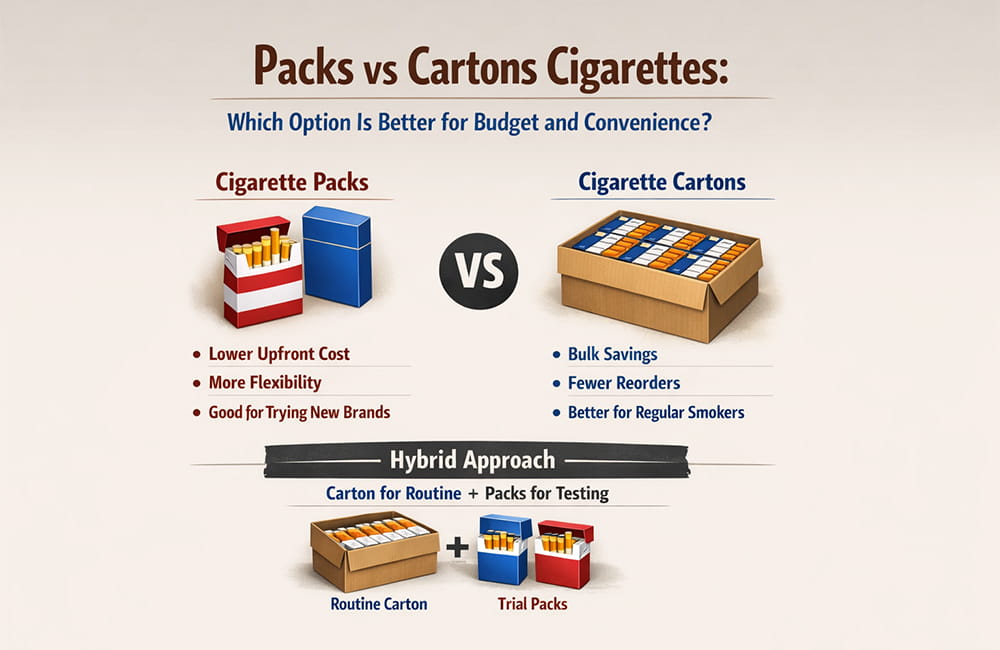
Packs vs Cartons Cigarettes: Which Option Is Better for Budget and Convenience?
Introduction If you regularly buy cigarettes, one of the most practical decisions you make is not just what brand to
Tobacco Regulations in Canada: What Consumers and Online Buyers Need to Know
Introduction Tobacco regulations in Canada are among the strictest in the world, designed to balance public health goals with legal

The Health Effects of Smoking in Canada: Comprehensive 2026 Guide
Smoking is the leading cause of preventable death in Canada. It causes over two dozen diseases, including lung cancer, heart disease, and COPD. Tobacco use contributes to approximately 48,000 deaths annually, impacting nearly every organ system in the human body.