Blog
Navigate Smoking Laws in Canada: What You Need to Know
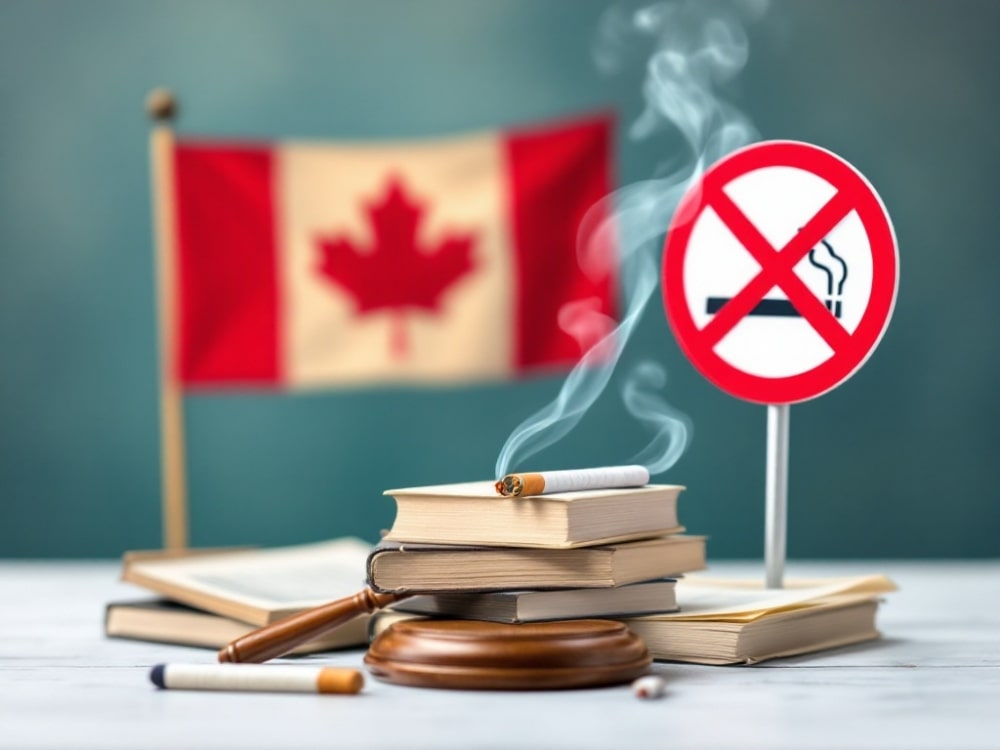
Smoking laws in Canada have played a key role in shaping public health policies and protecting citizens from the harmful effects of tobacco and secondhand smoke. Navigating these regulations can feel a bit overwhelming, especially with variations across provinces. Whether you’re a smoker, business owner, or just curious about tobacco regulations, this guide has you covered. From understanding provincial differences to staying compliant with recent updates, here’s everything you need to know about smoking laws in Canada.
An Overview of Smoking Laws in Canada
Canada has long been a leader in implementing strict tobacco regulations, with a focus on reducing tobacco use, preventing secondhand smoke exposure, and promoting healthier communities. Smoking laws in Canada are rooted in the Tobacco and Vaping Products Act (TVPA), which governs the manufacturing, sale, and advertisement of tobacco and vaping products nationwide.
Key national provisions include:
- Age restrictions – It’s illegal to sell tobacco or vaping products to anyone under the age of 18. Some provinces have raised this to 19.
- Smoke-free public spaces – Smoking is prohibited in enclosed public spaces, workplaces, and public transit facilities.
- Advertising bans – Promotions and advertisements for tobacco products are strictly limited or prohibited.
- Plain packaging – Tobacco products must feature standardized, plain packaging with graphic health warnings.
The TVPA lays the groundwork for smoking laws, but provinces and territories have implemented their own rules, leading to notable differences across Canada.
Differences in Regulations Across Provinces
Canada’s provinces and territories have the authority to adapt national laws to address local needs, culture, and concerns. This means smoking regulations can vary widely depending on where you live or visit. Here’s a quick snapshot of some differences:
- Ontario: Smoking is prohibited in enclosed public spaces and workplaces. The Smoke-Free Ontario Act also restricts smoking in vehicles with minors, showcasing the province’s commitment to stringent smoking laws in Canada.
- British Columbia: Similar restrictions apply, with additional rules for smoking near doorways and air intakes. These measures highlight the province’s proactive approach to enforcing smoking laws in Canada.
- Quebec: Known for strict regulations, Quebec bans smoking in most public places, including outdoor patios. This reflects the province’s dedication to maintaining robust smoking laws in Canada.
- Alberta: Takes a slightly different stance. While it enforces bans on smoking in most public spaces, it allows more flexibility with shisha lounges and designated smoking rooms—although these spaces must meet strict ventilation requirements.
This patchwork of regulations underscores the importance of knowing your province’s rules to avoid fines and ensure compliance.
Public Spaces and Smoking
Understanding where you can and cannot smoke is essential:
- Parks and Beaches: Many municipalities have bylaws prohibiting smoking in parks and on beaches to protect the environment and public health. These local regulations complement broader smoking laws in Canada.
- Restaurants and Bars: Smoking is generally banned indoors, but some establishments may have designated outdoor smoking areas. This aligns with the overarching smoking laws in Canada, which prioritize public health.
Retail and Advertising Restrictions
The sale and promotion of tobacco products are heavily regulated:
- Retail Display Bans: Tobacco products must be hidden from view in retail stores, reducing impulse purchases. This is a key aspect of smoking laws in Canada, aimed at minimizing tobacco exposure.
- Advertising Limitations: Strict rules govern how tobacco products can be advertised, focusing on reducing youth exposure. These advertising restrictions are integral to smoking laws in Canada, ensuring that young people are protected from tobacco marketing.
Penalties for Non-Compliance
Violating smoking laws can result in significant penalties:
- Fines: Individuals and businesses can face hefty fines for non-compliance with smoking regulations. These penalties underscore the seriousness of adhering to smoking laws in Canada.
- License Revocation: Retailers may lose their license to sell tobacco products if they repeatedly violate laws, emphasizing the importance of compliance with smoking laws in Canada.
Impact on Businesses
Businesses must navigate these laws carefully:
- Compliance Requirements: Ensuring compliance with smoking laws in Canada is crucial to avoid penalties and maintain a positive reputation.
- Employee Training: Educating employees about smoking regulations can help prevent violations and promote a healthy workplace. This proactive approach is essential for businesses operating under smoking laws in Canada.
Health Implications and Public Awareness
Smoking laws are part of broader public health initiatives:
- Health Campaigns: Government and non-profit organizations run campaigns to raise awareness about the dangers of smoking. These campaigns are supported by smoking laws in Canada, which aim to reduce tobacco use.
- Support for Smokers: Resources are available for those looking to quit smoking, including hotlines and support groups. These resources are an important component of smoking laws in Canada, providing assistance to those who wish to quit.
Future Trends in Smoking Legislation
The landscape of smoking laws in Canada is continually evolving:
- Emerging Products: As new products like e-cigarettes and cannabis emerge, regulations are adapting to address these changes. This adaptability is a hallmark of smoking laws in Canada.
- Public Health Focus: Future legislation may focus more on harm reduction and supporting smokers in quitting, reflecting the ongoing commitment to public health within smoking laws in Canada.
Conclusion
Mastering smoking laws in Canada requires understanding both federal and provincial regulations. By staying informed, you can ensure compliance and contribute to a healthier community. Whether you’re a smoker, business owner, or simply a concerned citizen, knowing these laws is essential.
Related Articles
Packs vs Cartons Cigarettes: Which Option Is Better for Budget and Convenience?
Introduction If you regularly buy cigarettes, one of the most practical decisions you make is not just what brand to
Tobacco Regulations in Canada: What Consumers and Online Buyers Need to Know
Introduction Tobacco regulations in Canada are among the strictest in the world, designed to balance public health goals with legal

The Health Effects of Smoking in Canada: Comprehensive 2026 Guide
Smoking is the leading cause of preventable death in Canada. It causes over two dozen diseases, including lung cancer, heart disease, and COPD. Tobacco use contributes to approximately 48,000 deaths annually, impacting nearly every organ system in the human body.