Blog
Native Cigarettes in Canada: Ultimate Guide to the Legal Landscape
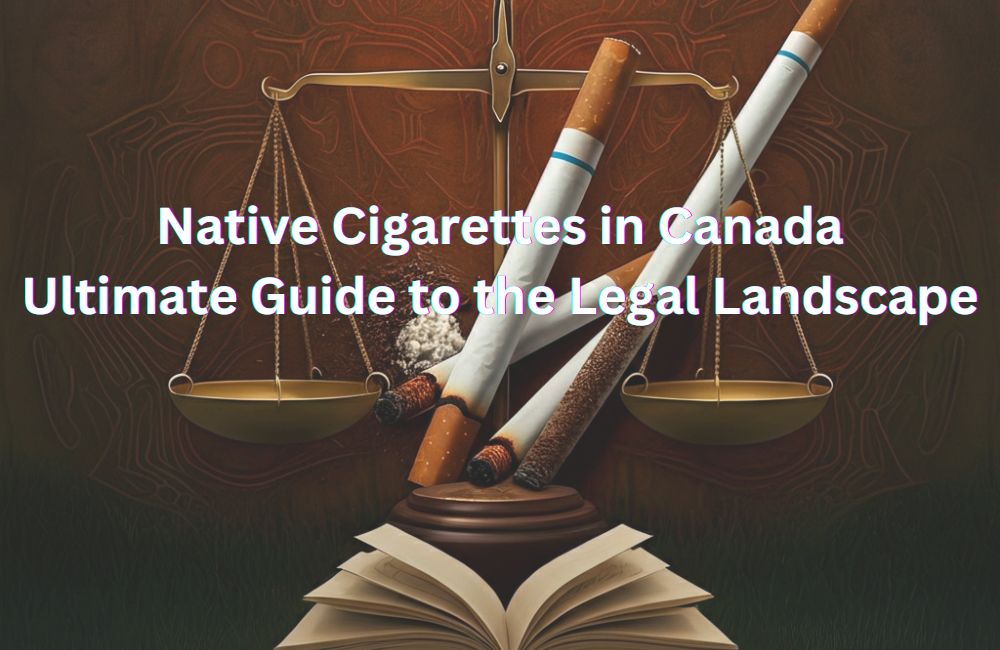
Canada’s tobacco industry highlights a unique and often contentious segment—Native Cigarettes in Canada. Indigenous communities on reserves primarily produce these products, which represent a complex intersection of history, law, Indigenous rights, and public health. To grasp the legal landscape surrounding Native Cigarettes in Canada, it’s crucial to explore their origins, how they fit into Canadian tobacco laws, and their social and economic impact on Indigenous communities.
Historical Context of Native Cigarettes
Indigenous peoples have cultivated and used tobacco for centuries before European colonization. Many Indigenous cultures regard tobacco as a sacred plant, integrating its use into ceremonies, offerings, and traditional medicines. However, the modern commercial production of Native Cigarettes in Canada emerged more recently.
During the late 20th century, Indigenous entrepreneurs began producing tobacco products on reserves. These businesses operated outside the federal and provincial taxation frameworks, asserting Indigenous sovereignty and economic independence. Native cigarette brands gained popularity because they cost significantly less than heavily taxed commercial cigarettes.
Indigenous tobacco businesses consistently emphasize that their products symbolize cultural resilience, not just commodities. These businesses have become focal points in debates around regulation, taxation, and Indigenous rights.
Canada’s Tobacco Laws and Native Cigarettes
Canada’s legal framework heavily regulates tobacco through the Tobacco and Vaping Products Act (TVPA). This law governs the sale, manufacturing, advertising, and labeling of tobacco products, reflecting the government’s focus on reducing smoking rates and protecting public health. However, the inclusion of Native Cigarettes in Canada under this framework has generated substantial debate.
Exemption from Taxation on Reserves
Taxation provides a key distinction for Native Cigarettes in Canada. The Indian Act grants an exemption on goods sold on reserves to Indigenous individuals, including tobacco products. This exemption allows Indigenous manufacturers to sell cigarettes at prices significantly lower than off-reserve, taxed alternatives.
Selling native cigarettes to non-Indigenous individuals, especially off-reserve, creates legal challenges. Federal and provincial governments view these sales as unlawful tax evasion and stress the impact on lost revenue and competition in the tobacco market. Law enforcement agencies have increased seizures of untaxed cigarettes and pursued charges against distributors, leading to heightened tensions.
Licensing and Permits
Licensing requirements for native cigarette manufacturers create another contentious issue. Federal and provincial laws demand compliance with permits and health regulations. Many Indigenous producers argue that these requirements infringe on their inherent right to self-governance. They advocate that reserves should regulate their own tobacco production and sale, free from external laws.
This lack of agreement over licensing has caused inconsistent enforcement. Some Indigenous tobacco businesses voluntarily adhere to permits, while others reject government-issued licenses outright, asserting their sovereignty. This disparity raises questions about jurisdiction and Indigenous self-determination.
Health Warnings and Packaging Compliance
The TVPA mandates health warnings and plain packaging for all commercial cigarette sales. Some native cigarette manufacturers have resisted these requirements, arguing that they undermine their sovereignty and cultural identity. This has led to variations in branding, packaging, and adherence to health standards, further complicating regulatory oversight.
Challenges and Controversies
The regulation of Native Cigarettes in Canada generates heated discussions across various fronts, including public health, taxation, economic opportunity, and Indigenous rights.
Tax Evasion Concerns
Government officials frequently cite revenue losses from untaxed native cigarette production as a significant issue. Estimates suggest that tax evasion on these products costs Canada hundreds of millions of dollars annually. Ontario and Quebec, home to many Indigenous tobacco businesses, have voiced concerns over how these losses hurt healthcare funding and anti-smoking initiatives.
Provincial law enforcement has intensified crackdowns on the distribution of untaxed cigarettes. Seizures by agencies like the Canada Border Services Agency often provoke strong reactions from Indigenous communities, who view these actions as disrespectful to their sovereignty.
Public Health Challenges
Public health advocates raise concerns about the affordability of Native Cigarettes in Canada. Cost reductions may encourage consumers to switch from taxed commercial brands, undermining efforts to reduce smoking rates. Additionally, inconsistencies in health warnings and packaging compliance could expose consumers to greater health risks.
Indigenous perspectives point to deeper systemic issues fueling smoking rates in their communities, including poverty, unemployment, and historical trauma. Addressing public health concerns tied to Native Cigarettes in Canada requires culturally sensitive and systemic solutions.
Sovereignty and Economic Development
For Indigenous communities, native cigarettes represent more than businesses; they provide economic lifelines. Tobacco manufacturing creates thousands of jobs, encourages entrepreneurship, and generates revenue within communities often plagued by socioeconomic disadvantages. Many Indigenous leaders push for formal recognition of the tobacco industry as an assertion of self-reliance.
Jurisdictional debates further complicate these efforts. Indigenous communities claim that reserves hold autonomy over governing tobacco production and commerce, a view supported by landmark rulings like the Supreme Court’s R. v. Sparrow (1990). These rulings affirm the need for Canadian authorities to respect Indigenous rights.
Recent Legal Developments
Ongoing legal battles shape the changing landscape of Native Cigarettes in Canada. Authorities have filed lawsuits against Indigenous manufacturers accused of violating federal regulations. At the same time, Indigenous groups have launched their own legal challenges, claiming that Canada’s laws infringe on their treaty rights and economic freedoms.
Some provinces have experimented with agreements that balance compliance and economic benefits. These agreements, while not widespread, reflect possible paths for reducing conflict between governments and Indigenous communities.
What’s Next for Native Cigarettes in Canada?
Conversations about Native Cigarettes in Canada need to address reconciliation, economic development, and public health. Legislative changes must balance these concerns thoughtfully.
One potential solution involves developing Indigenous-led regulatory frameworks for tobacco production and sales. These frameworks could honor sovereignty while ensuring public health and tax obligations align. Partnerships between provincial governments and Indigenous communities might pave the way for collaboration and mutual benefit.
Broader discussions about Indigenous economic diversification also hold promise. Investments in education, healthcare, and community development could reduce reliance on tobacco production as a primary source of revenue.
Conclusion
The legal landscape of Native Cigarettes in Canada represents more than debates over taxation and regulation. It reflects the complex relationships between Indigenous peoples and government authorities. To Indigenous communities, native cigarettes symbolize empowerment and opportunities for economic growth. At the same time, they raise serious questions about public health, fair competition, and lost tax revenue.
By focusing on inclusive policies and open collaboration, Canada can turn this contentious issue into an opportunity. A future that respects Indigenous sovereignty while addressing shared challenges will foster reconciliation and sustainable economic prosperity.
Related Articles
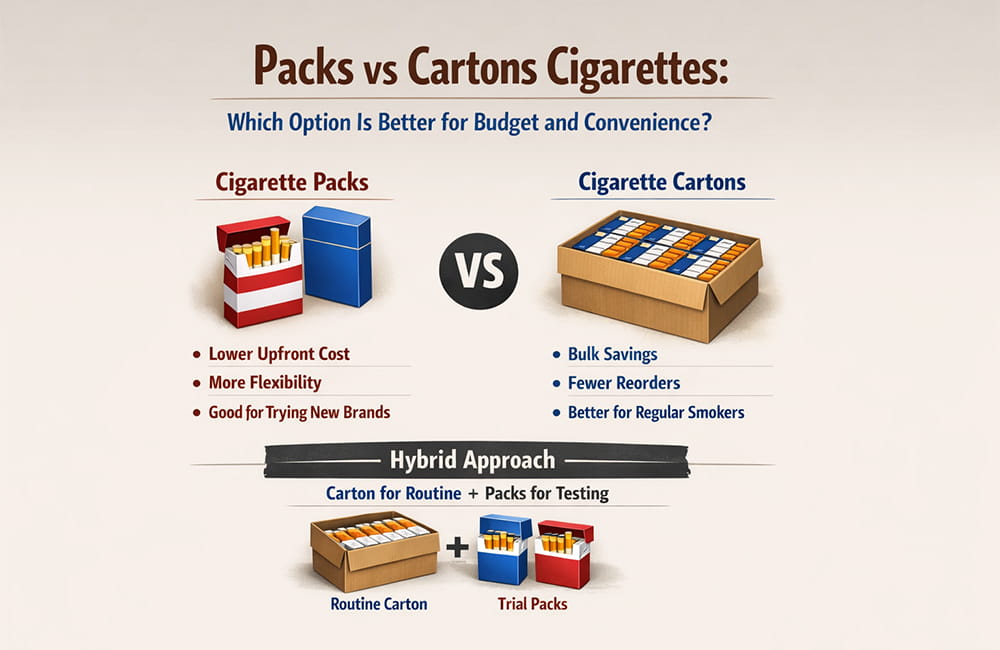
Packs vs Cartons Cigarettes: Which Option Is Better for Budget and Convenience?
Introduction If you regularly buy cigarettes, one of the most practical decisions you make is not just what brand to
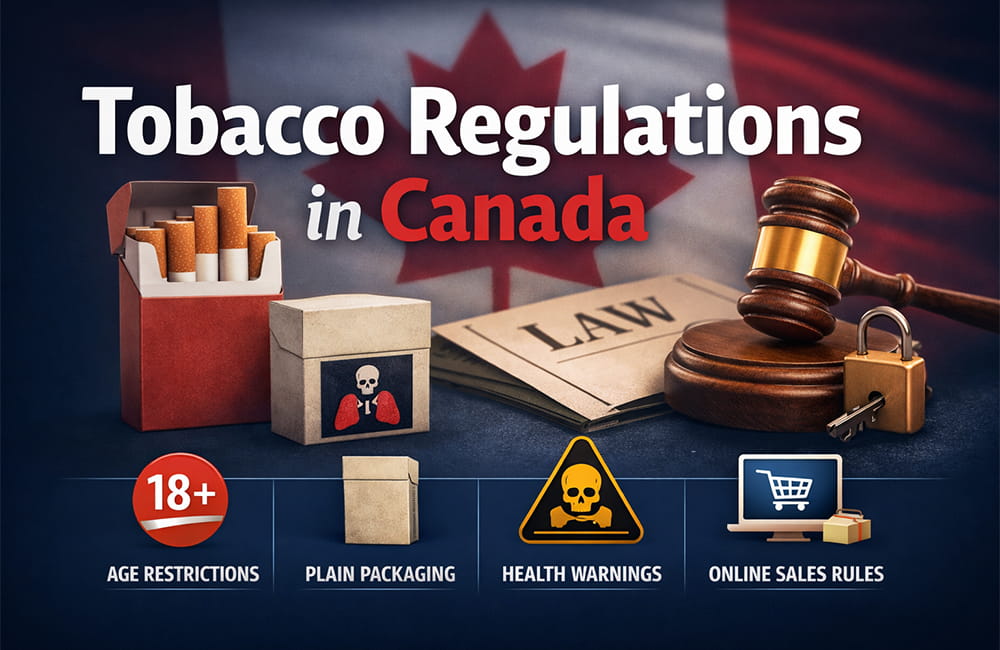
Tobacco Regulations in Canada: What Consumers and Online Buyers Need to Know
Introduction Tobacco regulations in Canada are among the strictest in the world, designed to balance public health goals with legal

The Health Effects of Smoking in Canada: Comprehensive 2026 Guide
Smoking is the leading cause of preventable death in Canada. It causes over two dozen diseases, including lung cancer, heart disease, and COPD. Tobacco use contributes to approximately 48,000 deaths annually, impacting nearly every organ system in the human body.