Blog
Key Differences Among Native and Commercial Tobacco

Tobacco has influenced human life for centuries, shaping cultures, economies, and rituals worldwide. Despite originating from the same plant species, native and commercial tobacco differ significantly in various ways. By examining their differences in cultivation methods, cultural significance, health impacts, and economic roles, we gain a deeper understanding of the plant’s importance and the need to distinguish between the two.
Cultivation Methods
The way growers handle native and commercial tobacco starkly separates these two categories.
Native Tobacco – Rooted in Tradition
Native tobacco, often called ceremonial or traditional tobacco, reflects the wisdom passed down through generations. Indigenous communities grow it using methods that respect the environment and emphasize sustainability. They avoid chemical pesticides and synthetic fertilizers, preferring natural resources and small-scale farming approaches.
For Indigenous communities, tobacco cultivation represents more than agriculture. They focus on crop rotation, natural fertilizers, and soil preservation to maintain the plant’s purity and enhance its spiritual value. Every step of this process connects the grower to both the land and their traditions, ensuring that native tobacco embodies its timeless essence.
Commercial Tobacco – Focused on Mass Production
Commercial tobacco represents a vastly different story. Large-scale farming prioritizes quantity and profit, depending on chemical pesticides, synthetic fertilizers, and mechanized farming equipment. This industrial approach sacrifices sustainability, depleting soil nutrients and contributing to environmental damage, while catering to the massive demand for commercial products.
This method produces a product far removed from nature and cultural tradition. Consumers encounter commercial tobacco that reflects corporate strategies rather than the thoughtful care seen in native tobacco farming. The stark contrast between native and commercial tobacco becomes clear when considering how divergent these methods are.
Cultural Significance
The roles native and commercial tobacco play within society further reveal their stark differences in values and purpose.
Native Tobacco – Sacred and Spiritual
For Indigenous communities, including the Lakota, Ojibwe, and Cherokee nations, native tobacco carries immense spiritual and cultural weight. People use it as an offering during rituals, a tool for prayer, and a symbol of unity between humans, nature, and the Creator.
Indigenous groups carefully reserve their use of native tobacco for ceremonial gatherings. Its intentional and sacred consumption highlights values such as humility, gratitude, and respect for tradition. Native tobacco binds communities to their history and culture, nurturing a timeless connection.
Commercial Tobacco – A Commodity
Unlike its sacred counterpart, commercial tobacco lacks cultural depth and holds no spiritual significance. Producers create it for global mass consumption, targeting recreational users with products like cigarettes, cigars, and vaping materials. Marketing efforts focus more on entertainment or relaxation.
The contrast underscores the separation between native and commercial tobacco. One serves as a sacred tribute to culture, while the other functions as a commodified, profit-driven consumer product.
Health Impacts
Health implications highlight another important distinction between native and commercial tobacco.
Native Tobacco – Minimal Additives
Traditional approaches to native tobacco typically involve its natural, untreated form. Indigenous groups use it respectfully, limiting its consumption to ritualistic settings. This measured and sacred use significantly reduces health risks compared to habitual tobacco intake.
Although native tobacco contains nicotine, its absence of chemical additives makes it less harmful. The careful practices associated with native tobacco stand in stark contrast to the processed nature of commercial products.
Commercial Tobacco – Designed for Dependency
Manufacturers of commercial tobacco increase its addictive nature through extensive chemical processing. By introducing substances like ammonia and formaldehyde, producers enhance flavor, extend shelf life, and ensure customer dependency.
This deliberate approach to addiction makes commercial tobacco far more harmful than its natural counterpart, leading to severe health issues like lung cancer, heart disease, and respiratory conditions. The chemical manipulation of commercial tobacco sharply contrasts with the purer form found in native tobacco and poses a far greater threat to global health.
The health risks also draw attention to how vastly native and commercial tobacco differ in terms of purpose and societal impact.
Economic Factors
Economic scales, practices, and priorities offer yet another way to examine the key distinctions between native and commercial tobacco.
The Economy of Native Tobacco
Indigenous communities typically grow native tobacco on a small scale. This miniature economy supports local traditions and prioritizes respect for cultural heritage over financial considerations. Where economic benefits do exist, they arise from a mindset rooted in community-driven business models and sustainability.
Communities selling native tobacco often focus on nurturing their practices and connecting with consumers seeking traditionally cultivated tobacco. Their ethical and people-centric approach ensures their practices align with cultural preservation, not profit-driven exploitation.
The Global Reach of Commercial Tobacco
Commercial tobacco dominates the multibillion-dollar global market, leading the charge for tobacco giants like Philip Morris and British American Tobacco. These corporations churn out massive quantities of products daily to meet worldwide demand.
However, the global scale of commercial tobacco production comes at a high price. Issues like labor exploitation, environmental destruction, and the economic dependency of developing nations highlight the darker side of this industry. Governments also walk a fine line, as they rely on tobacco taxes even while dealing with public health crises caused by smoking.
The different economic roles played by native and commercial tobacco showcase the tension between small-scale tradition and industrialized operations.
Why These Differences Matter
Understanding the contrasts between native and commercial tobacco leads to important lessons about sustainability, ethics, and cultural preservation.
Native tobacco highlights practices that honor nature and community while promoting sacred values and ecological balance. On the other hand, commercial tobacco reflects a globalized industry driven by sales and consumer behavior, often with little regard for long-term consequences.
These sharp distinctions between native and commercial tobacco offer valuable insights into how we can rethink tobacco cultivation, marketing, and consumption moving forward.
Bridging the Gap
By learning from traditional methods used by Indigenous growers, the commercial industry can adopt more sustainable and ethical practices. Growing tobacco with minimal chemicals, preserving land quality, and reducing dependency could redefine the global supply chain, aligning it closer to fair-trade principles.
At the same time, ensuring the protection of native tobacco’s cultural significance remains crucial. Supporting Indigenous communities and their traditions not only preserves their identity but also offers valuable wisdom in approaching modern tobacco challenges with balance and responsibility.
Final Thoughts
The vital contrasts between native and commercial tobacco extend far beyond the leaves themselves. They reflect a broader divide between cultural preservation and mass production, as well as mindfulness versus consumer dependency.
From its sacred ceremonial use in Indigenous traditions to its commodification in global markets, native and commercial tobacco tell very different stories. Native tobacco symbolizes harmony, spirituality, and centuries of respect for the land. Commercial tobacco, by contrast, invites scrutiny for its environmental, social, and health-related impacts.
Acknowledging the differences between native and commercial tobacco equips growers, consumers, and policymakers with the knowledge needed to make informed decisions. This understanding allows us to support practices that honor tradition, protect health, and champion sustainability for both people and the planet.
Related Articles
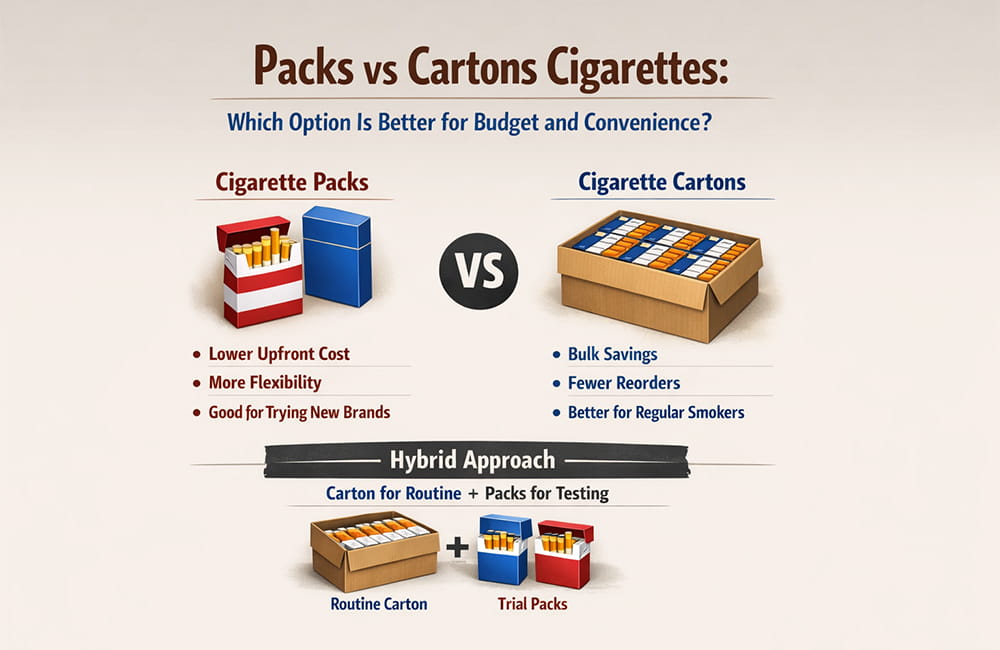
Packs vs Cartons Cigarettes: Which Option Is Better for Budget and Convenience?
Introduction If you regularly buy cigarettes, one of the most practical decisions you make is not just what brand to

Tobacco Regulations in Canada: What Consumers and Online Buyers Need to Know
Introduction Tobacco regulations in Canada are among the strictest in the world, designed to balance public health goals with legal

The Health Effects of Smoking in Canada: Comprehensive 2026 Guide
Smoking is the leading cause of preventable death in Canada. It causes over two dozen diseases, including lung cancer, heart disease, and COPD. Tobacco use contributes to approximately 48,000 deaths annually, impacting nearly every organ system in the human body.