Blog
Is Marijuana Bad? Discover the Side Effects Overview
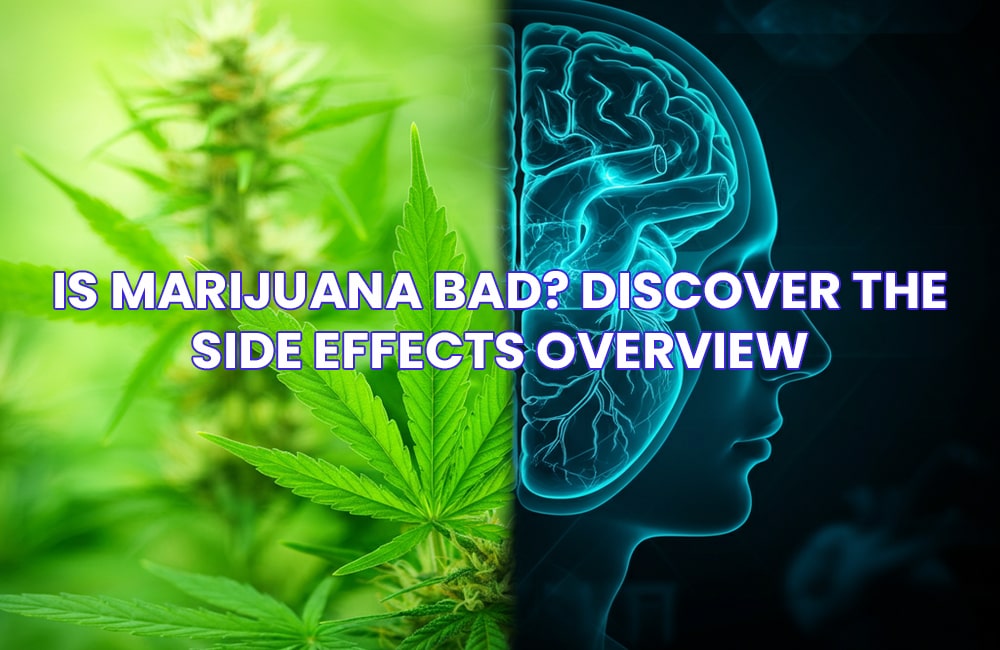
Marijuana has been a topic of heated debate for decades. For some, it’s a therapeutic remedy; for others, it raises concerns about health and safety. If you’ve been wondering, “Is marijuana bad for you?” or want to know more about marijuana side effects, you’re not alone. This blog takes a balanced approach to exploring the potential short-term and long-term effects of cannabis so you can better understand the pros and cons. From scientific studies to common concerns, here’s everything you need to know about the negative effects of cannabis and its potential health risks.
What Are the Short-Term Side Effects of Marijuana?
When someone consumes cannabis, either by smoking, vaping, or ingesting it, the effects can begin quickly and vary depending on the dose and strain. THC, the main psychoactive compound in cannabis, interacts with the brain in ways that often lead to noticeable changes.
1. Impaired Memory and Concentration
One of the more immediate side effect is its impact on memory and cognitive function. Users may find it harder to focus or recall recent events. This is why tasks that require attention, like studying or driving, are not recommended after using cannabis. Even though this impairment is usually temporary, it’s a valid concern for those who frequently rely on mental clarity.
2. Altered Perception and Mood
Marijuana is well-known for its ability to change how people perceive things. Users may feel “high,” euphoric, or even relaxed. However, not everyone experiences these pleasant effects. Doses that are too high can cause paranoia, anxiety, or even hallucinations, leading to an unpleasant and distressing encounter.
3. Increased Heart Rate
After consumption, marijuana often causes an elevated heart rate, which can last for hours. For individuals with pre-existing heart conditions, this could pose potential risks, though serious complications are rare.
4. Coordination Problems
Studies have shown that these interferes with motor skills and coordination. This has serious implications, particularly when it comes to activities such as driving. Cannabis-related traffic incidents have been reported to increase in regions where marijuana use has been legalized.
5. Short-Term Respiratory Issues
Smoking can irritate the lungs and throat, leading to coughing or discomfort. While many compare it to the effects of smoking tobacco, marijuana smokers tend to inhale more deeply, which can exacerbate these symptoms.
While these short-term effects often wear off after a few hours, frequent use could compound their impact or pave the way for more significant issues.
Long-Term Effects Uses
If marijuana use becomes habitual, certain long-term effects may develop. These are areas of growing research, with scientists still working to understand the full picture. Here’s what we know so far:
1. Potential for Addiction
Contrary to the belief that cannabis is not addictive, research shows that about 9-10% of marijuana users develop a dependency. This increases to up to 17% for those who start using the drug in their teen years. Symptoms of marijuana addiction include cravings, withdrawal symptoms, and difficulties controlling usage.
2. Mental Health Risks
Some studies link prolonged cannabis use to mental health issues, particularly in individuals prone to anxiety or depression. It’s also been associated with psychosis and schizophrenia in at-risk populations. Though the connection isn’t fully understood, mental health experts warn about combining with pre-existing psychological challenges.
3. Adverse Impact on Brain Development
Teenagers and young adults who use cannabis regularly may experience lasting changes in their brains. This is because areas involved in memory, learning, and decision-making are still developing during adolescence. Research suggests that frequent cannabis use may hinder these brain functions over time.
4. Respiratory and Lung Problems
While marijuana may not carry the same level of risk for lung cancer as tobacco, frequent smoking can still cause chronic bronchitis and other respiratory problems. Switching to vaping or edibles helps avoid these issues, but even then, heavy use may have other consequences.
5. Academic and Workplace Challenges
Regular marijuana use can lead to lower productivity. For students, it might mean falling behind in school, and for employees, it could result in poor performance or disciplinary action. This isn’t inevitable but serves as a cautionary tale for those prone to overconsumption.
6. The “Amotivational Syndrome” Debate
Some users report feeling less motivated when using marijuana frequently, describing what’s been dubbed “amotivational syndrome.” This connection remains unclear and is a subject of ongoing study, but the idea of a cannabis-induced lack of drive is often voiced by healthcare professionals.
While these might sound concerning, it’s worth remembering that not all marijuana users experience these effects, and individual responses can vary significantly.
Addressing Common Concerns and Misconceptions
There’s no denying the growing conversation around marijuana and its effects. Paired with legalization in several states and countries, the narrative is becoming more complex than simply labeling marijuana as “bad” or “good.” Here are some key concerns often raised:
“Can You Overdose on Marijuana?”
Unlike opioids or alcohol, it’s extremely unlikely to fatally overdose on marijuana. However, consuming too much THC at once can lead to a condition known as “green out.” Symptoms include nausea, vomiting, dizziness, and extreme anxiety. While not life-threatening, it’s certainly unpleasant.
“Is Marijuana a Gateway Drug?”
The claim that it leads to harder drug use is controversial. Some studies suggest a correlation (not causation), particularly among young users, while others argue that societal factors play a bigger role. It remains a debated topic.
“What About Medical Marijuana?”
Medical marijuana has become a lifeline for individuals dealing with chronic pain, epilepsy, and other conditions. Its therapeutic potential is significant, but it’s essential to distinguish medical use from recreational habits.
“How Does It Compare to Alcohol or Tobacco?”
When evaluating health risks, marijuana often ranks below tobacco and alcohol. However, that doesn’t make it harmless. Each substance comes with trade-offs, and context—frequency, amount, and how it’s used—matters.
Final Thoughts on Marijuana’s Potential Risks
To answer the big question—“Is marijuana bad for you?”—it really boils down to who you are, how you use it, and how much you know about its potential effects. For most casual users, the short-term side effects might be manageable, though they should still be taken seriously when it comes to activities like driving. On the other hand, frequent use can lead to long-term risks, especially for vulnerable groups such as teenagers or people with certain mental health conditions.
Related Articles
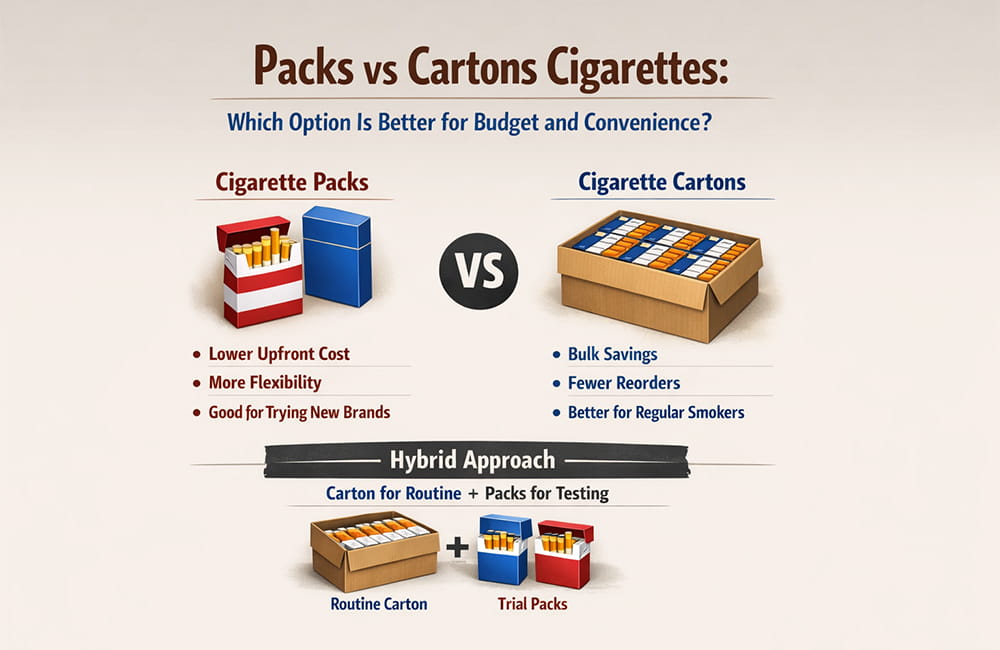
Packs vs Cartons Cigarettes: Which Option Is Better for Budget and Convenience?
Introduction If you regularly buy cigarettes, one of the most practical decisions you make is not just what brand to
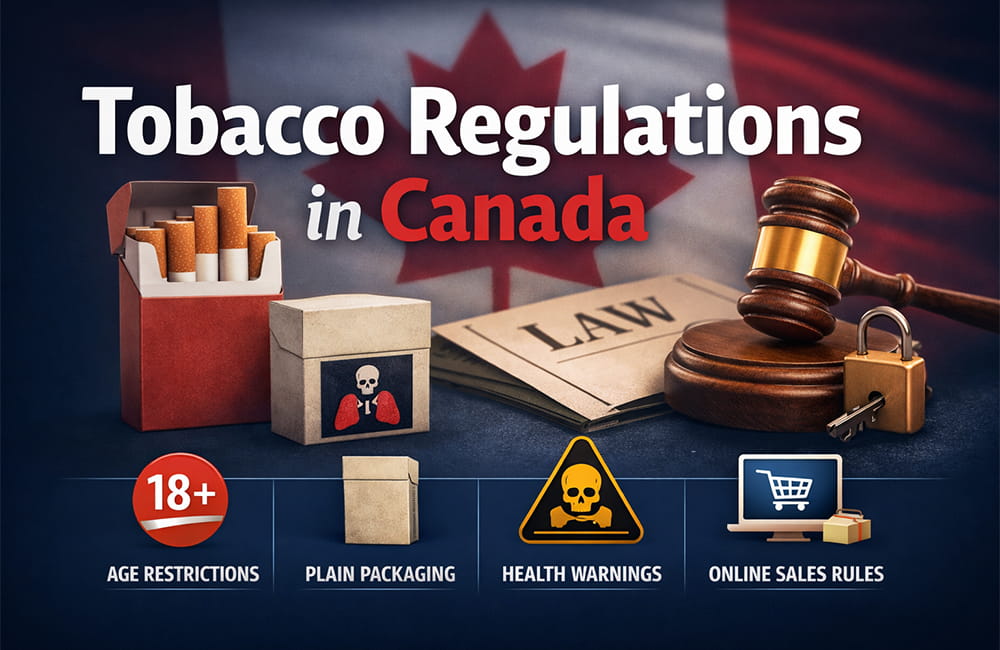
Tobacco Regulations in Canada: What Consumers and Online Buyers Need to Know
Introduction Tobacco regulations in Canada are among the strictest in the world, designed to balance public health goals with legal

The Health Effects of Smoking in Canada: Comprehensive 2026 Guide
Smoking is the leading cause of preventable death in Canada. It causes over two dozen diseases, including lung cancer, heart disease, and COPD. Tobacco use contributes to approximately 48,000 deaths annually, impacting nearly every organ system in the human body.