Blog
Is Anxiety a Hidden Effect of Cigarettes?
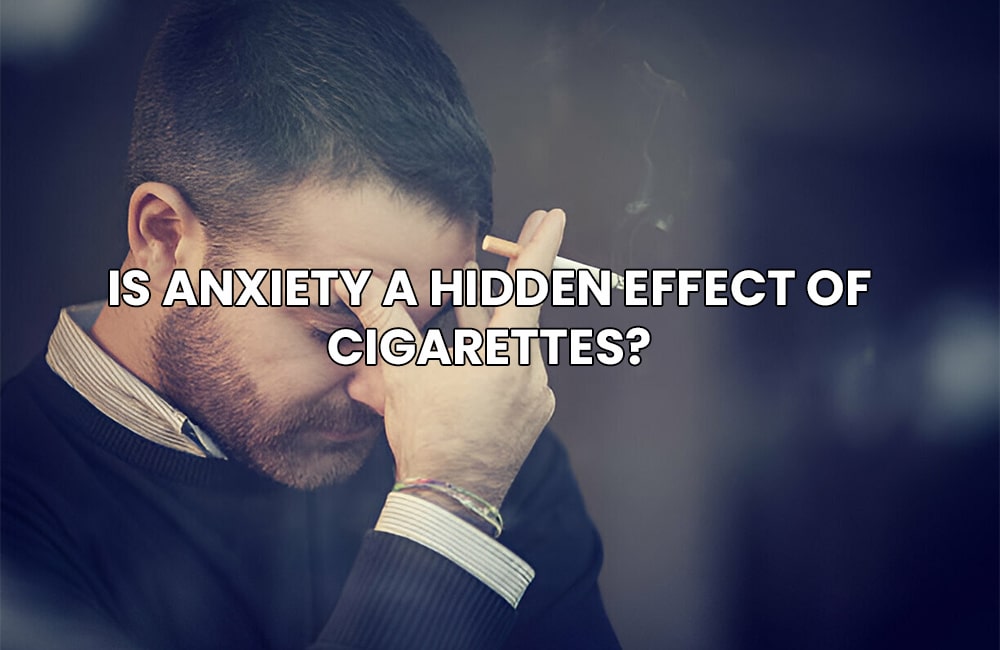
Cigarettes have long been associated with physical health risks, like lung cancer and heart disease, but their effects on mental health often fly under the radar. One crucial question remains unanswered for many smokers and non-smokers alike—does smoking contribute to anxiety? While cigarettes may have a reputation for providing temporary relief from stress, the hidden effect of cigarettes are far from straightforward. Research suggests that smoking might actually amplify feelings of anxiety in the long run. Let’s explore how cigarettes impact your mental well-being and uncover the hidden connection between smoking, stress, and anxiety.
The Physiological Effects of Nicotine on the Brain
When you light up a cigarette, nicotine rapidly enters your bloodstream and makes its way to your brain. This highly addictive chemical triggers the release of dopamine, often referred to as the “feel-good” neurotransmitter. This flood of dopamine is what gives smokers that initial sense of relaxation or pleasure.
But here’s the catch—this effect is temporary. Once the nicotine starts to wear off, dopamine levels drop, leaving you craving more nicotine to feel “normal” again. Over time, your brain becomes dependent on cigarettes to regulate its baseline dopamine levels, creating a harmful cycle of addiction. Unfortunately, the effect of cigarettes are deeply connected with this repetitive cycle of seeking dopamine highs and facing crashes.
Interestingly, nicotine also activates your body’s fight-or-flight response by releasing stress hormones like adrenaline and cortisol. These stress hormones raise your heart rate and blood pressure, putting your body in a constant state of alertness. While cigarettes might seem like a quick fix for stress, their long-term effects on your brain and body tell a different story, particularly when we consider the effect of cigarettes in the broader context of mental health challenges.
Smoking and the Stress-Anxiety Cycle
For many smokers, cigarettes are a coping mechanism. You may turn to smoking to “relax” after a tough day or calm your nerves during stressful situations. But in reality, smoking could be doing the exact opposite. Studies show that the calming sensation people experience after smoking is actually relief from nicotine withdrawal symptoms—not relief from genuine stress or anxiety.
Here’s how it works. When you go without smoking for even a short period, your body starts to experience withdrawal. These withdrawal symptoms can include irritability, restlessness, and—you guessed it—anxiety. The act of smoking temporarily eases these symptoms, creating the illusion that cigarettes are helping you cope. However, this relief is short-lived, and the underlying anxiety often returns, leading to a vicious cycle of stress and smoking.
Over time, this cycle can take a toll on your mental health, contributing to higher levels of baseline anxiety. Instead of eliminating stress, cigarettes may actually be feeding it. This is one of the most insidious effect of cigarettes, leaving smokers trapped in a loop that feels impossible to break.
The Psychological Impacts of Nicotine Dependence
Nicotine dependence doesn’t just affect your body—it affects your mind as well. Regular smoking alters your brain chemistry in ways that can significantly influence your mood and mental state. Here’s how:
- Heightened Anxiety: Research has shown that smokers are more likely to experience anxiety disorders compared to non-smokers. The constant peaks and crashes in nicotine levels can keep your brain in a state of imbalance, making you more prone to feelings of unease or worry.
- Decreased Stress Threshold: Over time, smoking can lower your natural tolerance for stress. This means situations that wouldn’t normally faze you might feel overwhelming, prompting you to reach for another cigarette for perceived comfort.
- Impact on Self-Esteem: For many smokers, the dependency on cigarettes can lead to feelings of guilt or frustration, especially if they’ve tried to quit unsuccessfully. This can further fuel negative emotions and exacerbate mental health challenges.
It’s also worth noting that the social stigma around smoking can sometimes lead to feelings of isolation or guilt, adding another layer of psychological pressure. The effect of cigarettes extend beyond physiological dependency and seep into many aspects of emotional well-being.
What the Science Says About Cigarettes and Anxiety
The relationship between cigarettes and anxiety has been the subject of extensive research. According to a study published in Psychological Medicine, people who smoke are at a significantly higher risk of developing anxiety and depression compared to non-smokers. The study also found that people who successfully quit smoking reported lower levels of anxiety, suggesting that cigarette use contributes directly to mental health challenges.
Another study, conducted by the University of Birmingham, found that smoking cessation can lead to improved mental health over the long term. Former smokers often report feeling less stressed and more emotionally balanced once they’ve kicked the habit. This challenges the widespread belief that cigarettes are necessary for stress relief and further supports the idea that the effect of cigarettes may be more harmful than most people realize.
Even the U.S. Surgeon General has described nicotine as a substance that directly impacts the mental health of its users, labeling it both highly addictive and harmful to emotional well-being.
Breaking the Myth of “Stress Relief” From Smoking
It’s not uncommon to hear smokers say, “I smoke to deal with stress” or “Cigarettes calm me down.” While it may feel true in the moment, this perception is misleading. The calming sensation that smokers experience is simply the temporary relief from withdrawal symptoms and not a genuine reduction in stress or anxiety.
If anything, smoking perpetuates stress by keeping your body dependent on nicotine. The constant need to satisfy nicotine cravings can create additional stress, especially when you’re in situations where smoking isn’t an option. This perpetual stress loop is one of the most overlooked effect of cigarettes, often keeping smokers from experiencing real, long-term relief.
Tips for Managing Anxiety Without Cigarettes
Quitting smoking can be a challenging but incredibly rewarding process. If you’ve been using cigarettes to manage your anxiety, it’s important to find healthier alternatives to cope with stress. Here are some tips to get started:
- Practice Mindfulness: Mindfulness techniques like deep breathing, meditation, or yoga can help you manage stress and calm your mind without relying on nicotine.
- Exercise Regularly: Physical activity is a natural stress-buster that releases endorphins, which can boost your mood and alleviate anxiety.
- Seek Support: Consider joining a support group or talking to a therapist who specializes in smoking cessation. Emotional support can make all the difference when trying to quit.
- Try Nicotine Replacement Therapy (NRT): Products like nicotine patches or gum can help ease withdrawal symptoms as you gradually reduce your dependence on cigarettes.
- Build Healthy Habits: Replace smoking with a healthier habit, like chewing gum, sipping herbal tea, or taking a short walk when you feel stressed.
Final Thoughts on Cigarettes and Anxiety
While cigarettes might appear to provide an escape from stress or anxiety, the reality is more complex. The physiological and psychological effect of cigarettes can actually contribute to higher levels of anxiety in the long term. Research shows that quitting smoking not only improves physical health but can also lead to better mental and emotional well-being.
If you’re a smoker who struggles with anxiety, remember that you’re not alone. There are resources and strategies available to help you break free from nicotine addiction and find more effective ways to manage stress. Quitting smoking isn’t easy, but the benefits—for both your body and mind—are well worth the effort.
Related Articles
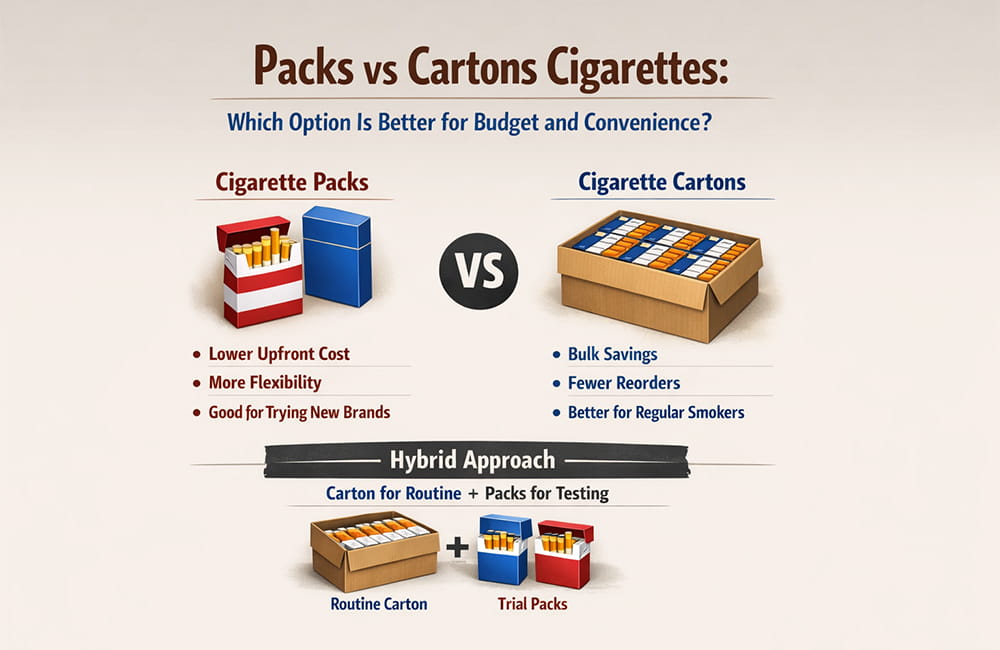
Packs vs Cartons Cigarettes: Which Option Is Better for Budget and Convenience?
Introduction If you regularly buy cigarettes, one of the most practical decisions you make is not just what brand to
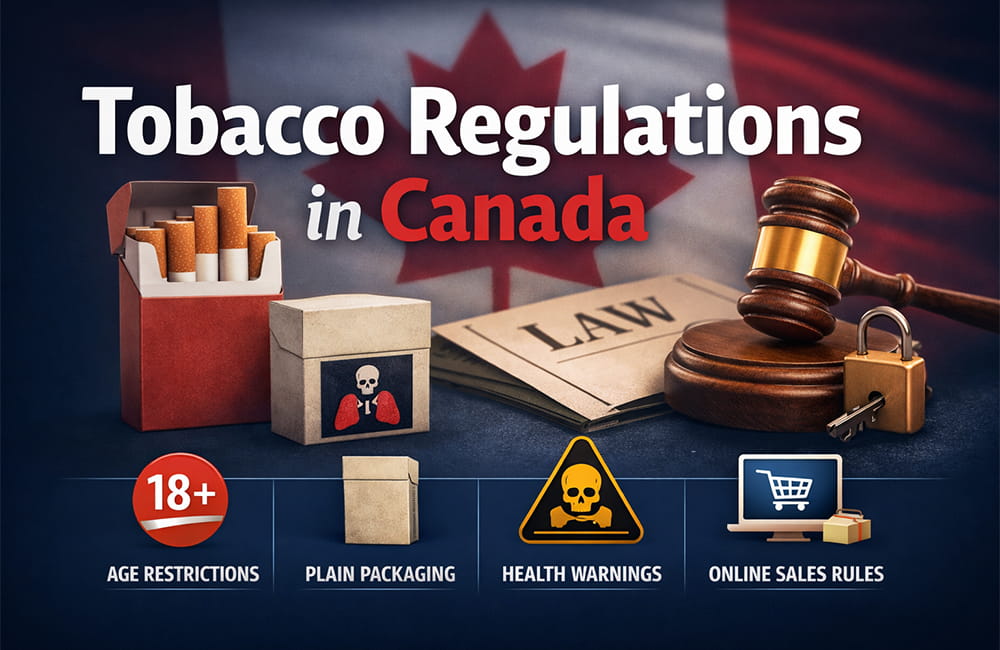
Tobacco Regulations in Canada: What Consumers and Online Buyers Need to Know
Introduction Tobacco regulations in Canada are among the strictest in the world, designed to balance public health goals with legal

The Health Effects of Smoking in Canada: Comprehensive 2026 Guide
Smoking is the leading cause of preventable death in Canada. It causes over two dozen diseases, including lung cancer, heart disease, and COPD. Tobacco use contributes to approximately 48,000 deaths annually, impacting nearly every organ system in the human body.