Blog
Indigenous Smokes Canada: Exploring the Rich History
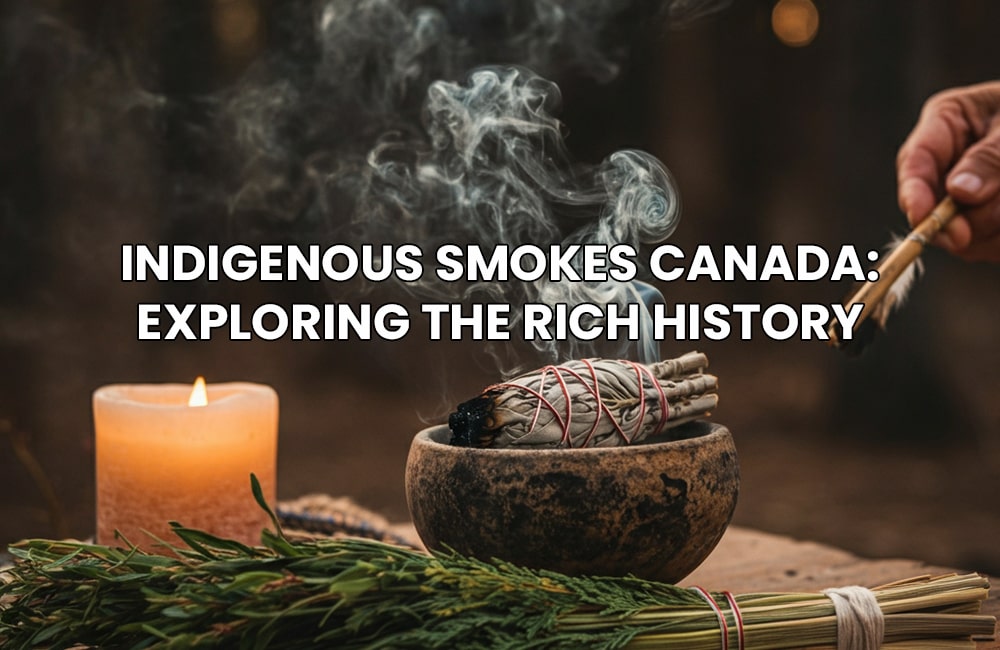
Indigenous cultures are an integral part of the fabric of Canada, carrying centuries of wisdom, spirituality, and tradition. One deeply cherished practice among these cultures is the use of smoke from sacred plants. The cultural significance of Indigenous smokes Canada is profound and goes beyond merely physical rituals—it acts as a spiritual, symbolic, and healing bridge that connects Indigenous peoples to their ancestors, the land, and the spiritual realm. Join us as we explore the captivating richness of these practices, their historical roots, and their enduring influence today.
The Historical Context of Indigenous Smokes Canada
For Indigenous communities across Canada, the use of sacred plants in ceremonies has been a tradition passed down through countless generations. Often referred to as smudging, this practice is far from a simple act of burning plants. Instead, it is a deeply symbolic ritual rooted in purification, healing, and connection to the spiritual realm. The origins of Indigenous smokes Canada trace back thousands of years, long before European settlers arrived on these lands.
Historically, smokes played an essential role in storytelling, healing ceremonies, and communal gatherings. Elders led these rituals, sharing wisdom and spiritual teachings that have stood the test of time. Through these ceremonies, participants honored their ancestors, sought guidance, and maintained harmony with nature.
Indigenous groups like the Cree, Ojibwe, Haudenosaunee, and Coast Salish have each upheld unique smoke-based traditions. While the specifics of their practices may vary, the values of respect, connection, and spirituality remain universal across nations. During colonization, many Indigenous practices—including smudging—faced significant suppression. Despite these struggles, Indigenous communities persevered and continue to revitalize these meaningful customs.
Smudging Practices: A Sacred Ceremony
Smudging stands out as one of the most well-known types of Indigenous smokes Canada. At its heart, smudging involves ceremonially burning sacred plants to produce smoke that purifies and cleanses both people and spaces. This process holds deep spiritual significance and is known to clear negative energy, promote healing, and strengthen emotional and mental well-being.
A typical smudging ceremony begins with sacred plants placed in a bowl, shell, or bundle and then set alight. The smoke is then wafted using a feather, guiding its cleansing effects over participants, objects, or specific areas. Ceremonies are often moments of reflection and prayer, with participants grounding themselves in the present and connecting to a higher power.
Smudging traditions, though varied across communities, are imbued with respect and intention. Participants express gratitude for the plants used, acknowledging the sacred gift of nature. The practice can take on different forms, whether it’s for individual purification or blessing a communal space.
Today, smudging holds universal appeal. While its roots are firmly planted in Indigenous traditions, the practice is increasingly shared in educational and healing spaces. Still, it is vital to honor the cultural origins of smudging when adopting or participating in these sacred ceremonies.
Sacred Plants Used in Indigenous Smokes
Central to every smudging practice or smoke-based ritual are the sacred plants chosen for the ceremony. These plants are selected with intention, as each carries its own symbolic meanings. Among the most revered plants are sage, cedar, sweetgrass, and tobacco—collectively referred to as the Four Sacred Medicines. Together, they form a foundation for the significance of Indigenous smokes Canada.
Sage
Sage is prized for its powerful cleansing properties, often burned to release negativity and purify both spaces and spirits. Its symbolic meaning extends to wisdom, clarity, and emotional balance. The act of harvesting sage is as sacred as the burning ritual itself. Indigenous communities gather it with great respect, taking only what is needed and offering gratitude to the land during the process.
Cedar
Cedar is another cherished plant in Indigenous smokes Canada, sought after for its protective and purifying qualities. Often used in ceremonies to ward off bad spirits, cedar’s rich fragrance grounds participants, fostering a sense of closeness to the land and their ancestors. Cedar smoke is also a key part of sweat lodge ceremonies, supporting spiritual and physical cleansing.
Sweetgrass
Sweetgrass symbolizes kindness, peace, and unity within many Indigenous cultures. Its sweet aroma is believed to attract positive energy and remind participants to remain centered in harmony and humility. Traditionally braided, sweetgrass is woven with strands representing the mind, body, and spirit. Burning sweetgrass releases gentle smoke used in ceremonies to evoke calmness and goodwill.
Tobacco
Tobacco holds unmatched reverence in Indigenous smokes Canada. Unlike its commercialized counterpart, sacred tobacco is natural and untreated, serving a purely ceremonial purpose. Indigenous peoples use tobacco in prayer, expressing gratitude to the Creator, elders, and the land. Whether offered as a gift or smoked to carry prayers skyward, tobacco represents a vital connection to the spiritual realm.
The Symbolism Behind Indigenous Smokes Canada
The role of smoke in Indigenous rituals transcends the physical act of burning plants. For many, smoke serves as a bridge connecting the physical world with the spiritual realm. It carries prayers, intentions, and messages upward to the Creator, fostering a sense of spiritual communion. Smudging and other forms of smoke ceremonies also symbolize emotional and physical purification, aligning people with positive energies.
These ceremonies, often intimate and communal, reflect values of togetherness. The symbolism of the plants themselves reinforces crucial Indigenous ideals. For example, sage symbolizes introspection, sweetgrass fosters harmony, and cedar offers protection. Collectively, they highlight Indigenous respect for nature and the interconnectedness of life.
Understanding the significant symbolism of these practices is key to appreciating the depth of Indigenous smokes Canada. These deeply personal yet communal rituals represent a profound connection to tradition and identity.
Revitalizing Indigenous Smoke Traditions
Against the backdrop of history, modern efforts to reclaim Indigenous practices have brought about an inspiring renaissance of sacred smoke rituals in Canada. After decades of cultural suppression, Indigenous individuals and communities celebrate their heritage with pride. Smudging and other smoke ceremonies are now gaining broader recognition as essential elements of cultural identity and healing practices.
Education has become a vital tool in reinvigorating these traditions. Indigenous leaders and educators frequently host workshops and ceremonies in schools, workplaces, and public events, where they teach people about the history and significance of these practices. By sharing knowledge about Indigenous smokes Canada, they help foster appreciation while advocating for cultural respect.
While smudging’s popularity has also grown outside Indigenous communities, it is vital to acknowledge and respect the sacred context of these traditions. Practices like burning sage or sweetgrass should always honor their origins and underlying philosophies.
Participating in and Supporting Indigenous Traditions
Whether you’re an Indigenous person reconnecting with your roots or someone learning about these traditions for the first time, understanding and honoring the significance of Indigenous smokes Canada is crucial. These are not fleeting trends but deeply rooted rituals that carry generations of wisdom and meaning.
If given the opportunity to participate in a smoke ceremony, approach it with open-mindedness and respect. It’s important to listen, follow the guidance of the elders, and reflect on the symbolism behind the ritual. For those purchasing sacred plants, ensure that they are ethically and sustainably sourced to avoid harm to natural ecosystems.
Final Thoughts
The richness of Indigenous smokes in Canada lies in their profound cultural significance, their power to connect the physical and spiritual worlds, and their ability to foster healing and understanding. From the purifying properties of sage to the harmonious symbolism of sweetgrass, these sacred practices remind us of the interconnectedness we share with one another and the land.
Related Articles

Packs vs Cartons Cigarettes: Which Option Is Better for Budget and Convenience?
Introduction If you regularly buy cigarettes, one of the most practical decisions you make is not just what brand to

Tobacco Regulations in Canada: What Consumers and Online Buyers Need to Know
Introduction Tobacco regulations in Canada are among the strictest in the world, designed to balance public health goals with legal

The Health Effects of Smoking in Canada: Comprehensive 2026 Guide
Smoking is the leading cause of preventable death in Canada. It causes over two dozen diseases, including lung cancer, heart disease, and COPD. Tobacco use contributes to approximately 48,000 deaths annually, impacting nearly every organ system in the human body.