Blog
How to Spot Authentic Native Cigarettes: A Retailer’s Guide

Introduction
As interest in Native tobacco products continues to grow in Canada, so does the importance of distinguishing Authentic Native Cigarettes from counterfeit alternatives. For retailers, wholesalers, and online vendors, offering only genuine products is essential to building trust, staying compliant with regulations, and supporting Indigenous businesses. This comprehensive guide walks you through everything you need to know about identifying real Native cigarette brands and ensuring that your stock is 100% authentic.
Why Selling Authentic Native Cigarettes Matters
Selling Authentic Native Cigarettes isn’t just good business practice — it’s an ethical commitment to support Indigenous producers and their communities. Native cigarette brands are typically manufactured on First Nations land and distributed through Indigenous-owned enterprises. These products help fund essential community programs and represent a source of livelihood for many.
Counterfeit Native cigarettes, on the other hand, often enter the market through illegal or unregulated channels. These imitations may be cheaper, but they often contain unknown ingredients, are poorly manufactured, and can put your customers at risk. Worse, selling fakes can expose your business to legal action and penalties.
By sourcing and selling Authentic Native Cigarettes, you’re not only protecting your brand’s reputation — you’re also helping preserve the integrity of Native commerce.
How to Identify Authentic Native Cigarettes
To ensure you’re selling only Authentic Native Cigarettes, here are the most important indicators to look for:
High-Quality Packaging
Authentic Native brands take pride in their packaging. From embossed logos to clear labeling and health warnings, genuine packs reflect professionalism and consistency. Check for:
- Correct spelling and grammar
- Durable pack materials
- Consistent font and design
- Legitimate health warning placements
Low-quality printing, mismatched colors, or missing seals are often signs of counterfeit goods.
Direct Sourcing from Indigenous Suppliers
The safest way to ensure authenticity is to source directly from Indigenous-owned manufacturers or their verified distributors. Many First Nations operate licensed tobacco companies or cooperatives that maintain strict quality control.
Examples include platforms like 1smokes.ca, which work exclusively with Indigenous producers to offer verified products to consumers and resellers.
Key Features That Separate Fakes from the Real Thing
When you’re reviewing your inventory, keep an eye out for these features that distinguish Authentic Native Cigarettes from knockoffs:
Tamper-Proof Seals and Batch Codes
Many Native brands now use holographic stickers, security tape, or batch number stamps. These features make it harder for counterfeiters to replicate and offer peace of mind to your customers.
Stable Pricing
Be cautious if a supplier offers large quantities at prices that seem too low to be true. While Native cigarettes are generally more affordable than big-name commercial brands due to tax differences, they aren’t sold at dirt-cheap prices. Unrealistically low prices often signal illegitimate goods.
Product Consistency
Open a few packs from different boxes. Authentic products should look, smell, and feel the same across batches. If you notice odd smells, different filter lengths, or poorly rolled tobacco, chances are you’re dealing with fakes.
Proof of Purchase or Invoices
Always request official invoices or supply agreements from vendors. This paperwork helps trace the product back to the source and serves as legal proof of authenticity if your inventory is ever questioned.
Protecting Your Business: Practical Tips for Retailers
As a tobacco retailer or online vendor, here’s how to protect your business and ensure you’re consistently offering Authentic Native Cigarettes to your customers:
Build Direct Partnerships with Native Suppliers
Take time to establish trusted relationships with Indigenous manufacturers. These suppliers can offer you better pricing, stable inventory, and verified products that align with community standards.
Train Your Team
Make sure everyone involved in procurement or stocking knows how to identify real Native products. If you’re running a physical store, even front-line employees should be able to answer basic questions about the origin of your products.
Conduct Routine Product Audits
Every month, perform a batch audit of new stock. Compare the design, flavor, and packaging of different deliveries. Any variations should be flagged and reported to the supplier.
Display Authenticity On Your Website
If you sell online, clearly mention that you offer only Authentic Native Cigarettes sourced from verified Indigenous producers. Include product photos, supplier information, and customer reviews to boost trust and SEO.
Top Trusted Native Cigarette Brands in Canada
Several Native cigarette brands are well known for their quality, consistency, and authenticity. These include:
- Canadian Goose – A smooth and premium blend, popular among experienced smokers.
- DK (Discount King) – Known for affordability without compromising flavor.
- Playground – Offers lighter blends ideal for casual smokers.
- Silver Bear – A robust tobacco blend preferred by traditional smokers.
- Putter’s – A long-standing favorite across Canada.
These brands are widely recognized by Indigenous communities and smokers across the country. Make sure you’re sourcing these names from legitimate suppliers.
Final Thoughts: Put Authenticity First
Retailers who sell Authentic Native Cigarettes enjoy more than just repeat business — they gain the trust of customers who value transparency, safety, and community support. In an industry often plagued by counterfeits and questionable sourcing, being known for genuine Native products sets your business apart.
Always prioritize working with licensed Indigenous wholesalers, verify your stock regularly, and stay informed about packaging and brand updates. By doing so, you’re not only supporting Indigenous communities but also securing long-term business success.
Related Articles
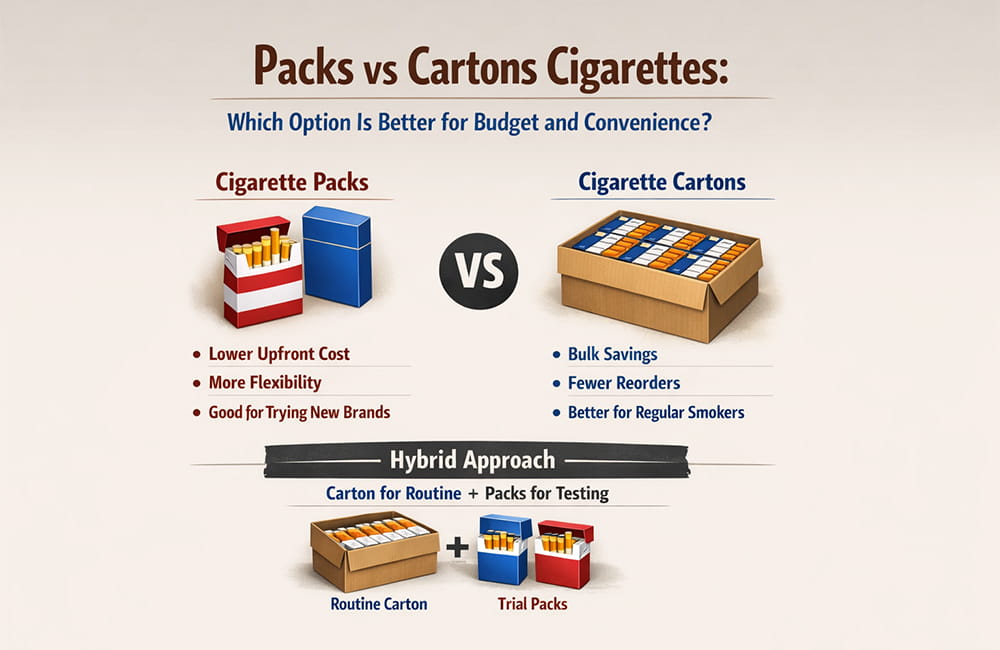
Packs vs Cartons Cigarettes: Which Option Is Better for Budget and Convenience?
Introduction If you regularly buy cigarettes, one of the most practical decisions you make is not just what brand to
Tobacco Regulations in Canada: What Consumers and Online Buyers Need to Know
Introduction Tobacco regulations in Canada are among the strictest in the world, designed to balance public health goals with legal

The Health Effects of Smoking in Canada: Comprehensive 2026 Guide
Smoking is the leading cause of preventable death in Canada. It causes over two dozen diseases, including lung cancer, heart disease, and COPD. Tobacco use contributes to approximately 48,000 deaths annually, impacting nearly every organ system in the human body.