Blog
How to Restore Wet Cigarettes: Ultimate Guide

Wet cigarettes—an annoyance, a mystery, and, at times, a minor heartbreak. Whether it’s an unexpected rainstorm, a spill, or an accidental drop, you may find yourself dealing with soggy smokes. But don’t worry! We’ve got you covered with this ultimate guide to restoring wet cigarettes. With the right steps, you might be able to salvage your pack and save yourself a trip to the store.
Below, we’ll break down the best methods for drying wet cigarettes, tips for avoiding damage during the process, and precautions to ensure your safety. Read on to arm yourself with the know-how to handle this surprising situation.
Why Restore Wet Cigarettes?
Cigarettes are delicate, yet people find themselves attached to their favorite brand. If your cigarette pack gets wet, tossing it out may not be your only option. Depending on the level of water exposure, fixing wet cigarettes is possible with patience and care. Restoring them can save you money, effort, and time—plus, it’s an excellent skill to have in a pinch!
That said, it’s important to emphasize safety. Smoking a cigarette that is poorly dried or has absorbed harmful chemicals can pose health risks. Following safe practices is critical throughout the restoration process.
Step 1: Assess the Damage
Before you begin saving wet cigarettes, it’s essential to check the extent of the damage. This step will help you determine whether you can realistically salvage them. Here’s what to look for:
- Saturation Level:
- Are the cigarettes mildly damp, or do they feel completely soaked? Mildly damp cigarettes are much easier to restore than those that have been submerged.
- Packaging Conditions:
- Is the entire pack wet, or just the outer few cigarettes? Sometimes, the inner cigarettes remain untouched, especially with newer, more water-resistant packs.
- Water Type:
- Did your cigarettes get soaked in clean, drinkable water or something else? If they were exposed to salty water, muddy puddles, or liquids like coffee, it’s trickier to make them safe for use. Contaminated water may compromise your efforts and your health.
Once you determine what you’re working with, you’re ready to move on.
Step 2: Prepare for the Drying Process
When it comes to drying wet cigarettes, preparation is key. Gather the tools you’ll need so the process goes smoothly:
- Paper Towels:
- Soft and absorbent, paper towels will help remove excess water from the surface of your cigarettes.
- A Clean, Dry Surface:
- Finding a flat, non-stick surface like a wooden countertop or a metal tray is ideal for spreading the cigarettes out during drying.
- Heat-Free Drying Options:
- Avoid using a hairdryer or other direct heat sources. Cigarettes are flammable, and heat can damage the tobacco and paper structure.
Now that you’ve prepped your space, it’s time to get hands-on!
Step 3: How to Restore Wet Cigarettes
Follow these step-by-step instructions to begin fixing wet cigarettes effectively:
For Mildly Damp Cigarettes:
- Pat Dry:
- Remove the affected cigarettes from the pack. Gently pat them down with a paper towel to absorb surface moisture.
- Lay Them Out:
- Place the cigarettes on a clean, dry surface. Ensure enough space between each one for air circulation.
- Allow Air-Drying:
- Leave the cigarettes out in a room with good ventilation. This method is the safest and most effective for drying them evenly. Avoid direct heat or sunlight, as it may cause the paper to warp.
- Test Before Use:
- Once completely dry (which may take several hours), gently check the firmness and dryness of the tobacco by rolling the cigarette between your fingers. If too fragile, pack it lightly and consider smoking with caution.
For Fully Wet Cigarettes:
- Remove Damp Tobacco:
- If the cigarette is drenched, open it up carefully and remove the tobacco. Wet tobacco can clump together, so work gently.
- Dry the Tobacco Separately:
- Spread the loose tobacco on a paper towel to dry. This may take longer, so be patient!
- Repack the Casing:
- Once dry, refill the emptied paper casing with the dried tobacco. You’ll need to roll it back into a usable shape. (Pro tip: If you have rolling papers on hand, use them to reassemble your cigarette.)
While these methods are effective, keep in mind that completely restoring soaked cigarettes can be a challenge. It’s often simpler to salvage the unharmed portions of the pack.
Tips to Make the Process Easier
Whether you’re tackling a minor mishap or a thoroughly soaked pack, here are some extra tips for success:
- Invest in Waterproof Cases:
- Forethought can save you the hassle. Many shops sell cigarette cases designed to protect your smokes from water.
- Handle with Care:
- Cigarettes aren’t indestructible. Limit handling if parts feel fragile during the drying process.
- Know When to Replace:
- If your efforts don’t restore the cigarettes to a smokable state or if you smell anything “off,” it’s best to dispose of them.
- Keep Paper Packaged Cigarettes Dry:
- Paper packs are especially prone to sogginess. If you’re out and about in unpredictable weather, store your cigarettes in a resealable plastic bag for extra protection.
Safety Warnings and Health Considerations
While restoring cigarettes can be a money-saver, it’s important to look out for your health. Smoking damaged cigarettes can pose risks:
- Mold Risk:
- Wet tobacco can quickly become a breeding ground for mold. If you notice any discoloration or a strange smell, toss the cigarette immediately.
- Chemical Exposure:
- If your cigarettes have come into contact with contaminated water, the risks outweigh the benefits of salvaging them.
- Fire Hazard:
- Avoid using high heat to attempt drying. Cigarettes are highly flammable and should be dealt with cautiously.
When it comes to your well-being, err on the side of caution. Never smoke anything you suspect isn’t 100% safe.
Final Thoughts
Getting your cigarettes wet can be a frustrating experience, but with the strategies outlined above, you now know how to restore wet cigarettes. Remember to follow the steps carefully, emphasize safety, and know when it’s best to cut your losses.
Have you faced the dreaded soggy cigarette situation before? Share your own tips for saving wet cigarettes in the comments below—we’d love to hear from you! And if you found this guide helpful, pass it along to a fellow smoker who might find themselves in need one day. After all, the best tricks are the ones we share.
Related Articles
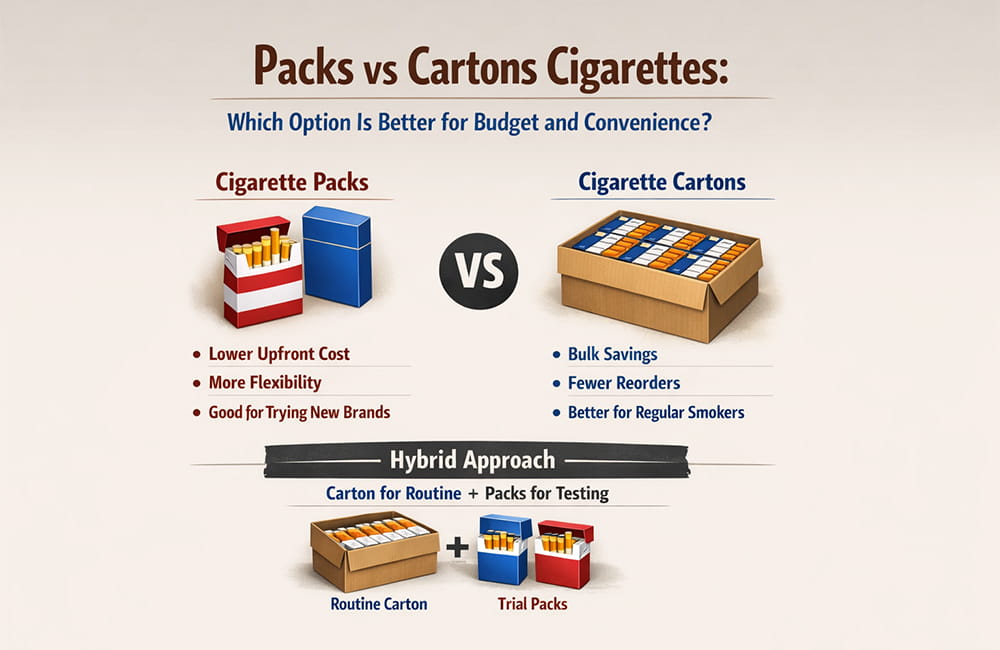
Packs vs Cartons Cigarettes: Which Option Is Better for Budget and Convenience?
Introduction If you regularly buy cigarettes, one of the most practical decisions you make is not just what brand to
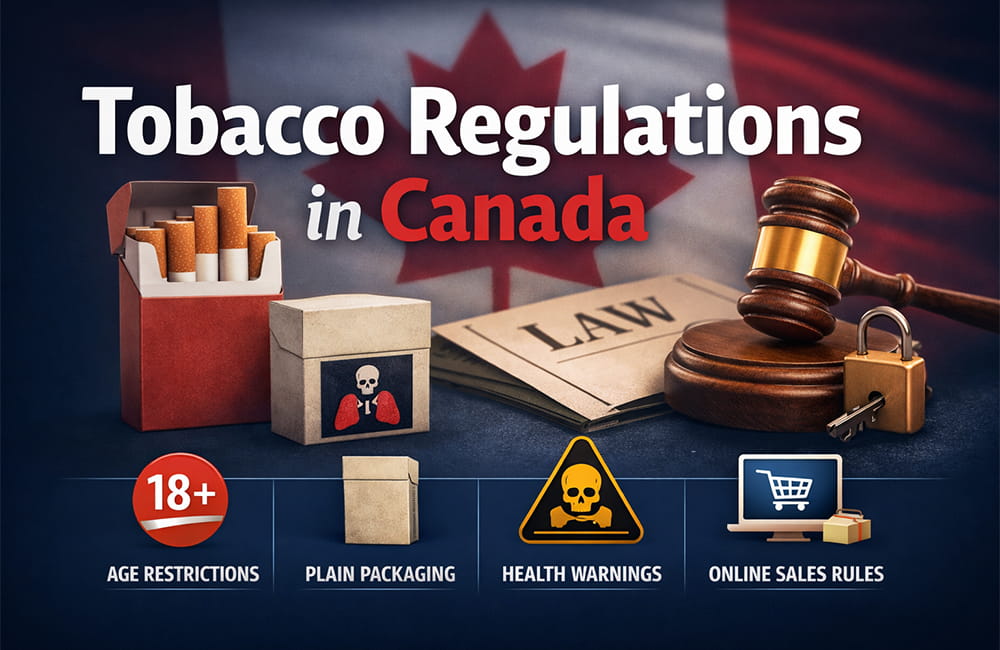
Tobacco Regulations in Canada: What Consumers and Online Buyers Need to Know
Introduction Tobacco regulations in Canada are among the strictest in the world, designed to balance public health goals with legal
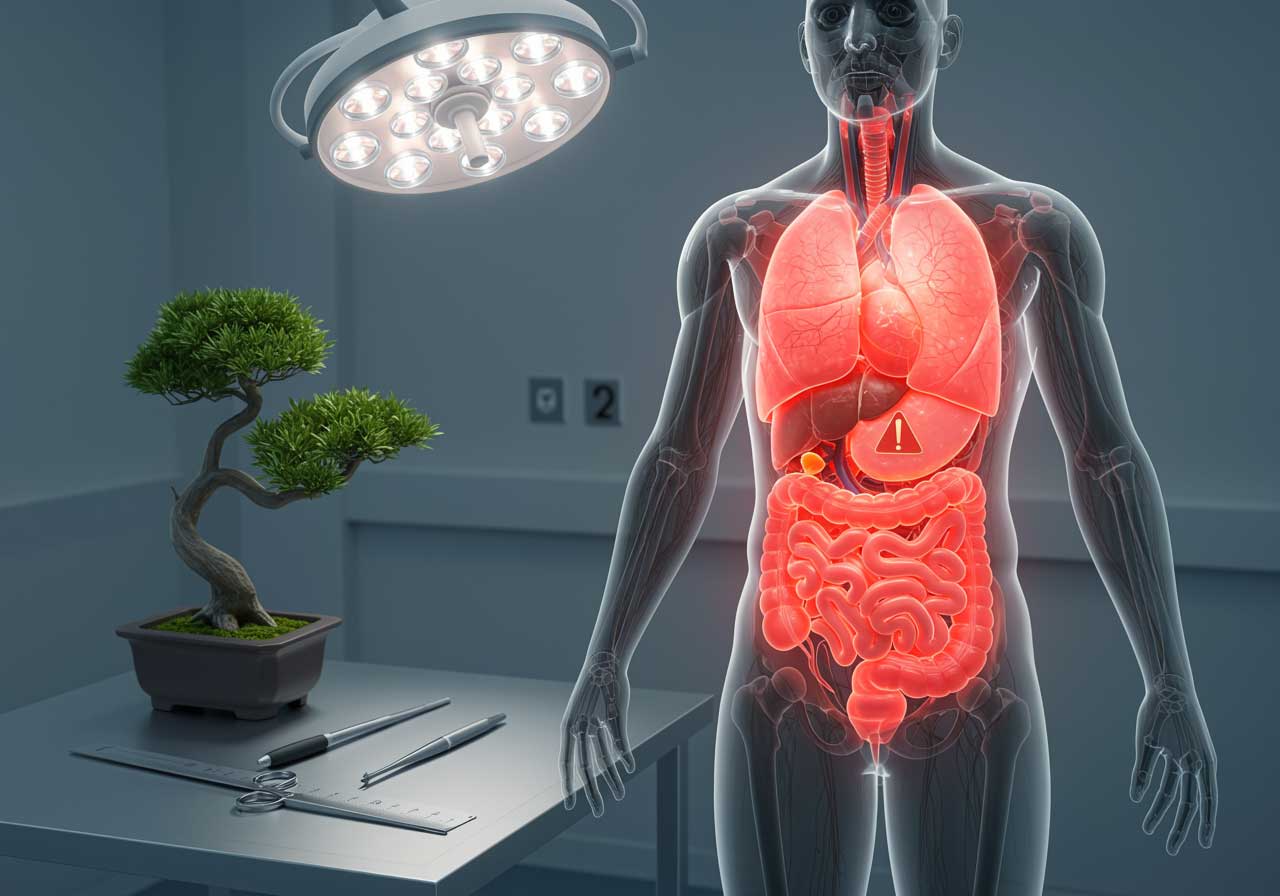
The Health Effects of Smoking in Canada: Comprehensive 2026 Guide
Smoking is the leading cause of preventable death in Canada. It causes over two dozen diseases, including lung cancer, heart disease, and COPD. Tobacco use contributes to approximately 48,000 deaths annually, impacting nearly every organ system in the human body.