Blog
Health Canada’s Revealing Insights on Cannabis Use

Cannabis use in Canada has been a hot topic since legalization in 2018. The subject often sparks debates about its health impacts, its role in society, and evolving consumption trends. Health Canada recently released its findings on cannabis use, offering valuable insights that shed light on the broader understanding of how Canadians interact with this once-taboo substance.
These insights not only inform policy discussions but also guide individuals in making informed decisions about cannabis use. By examining these findings, we’ll highlight key statistics, explore the health effects of cannabis, and unravel some of the societal trends shaping its usage today.
Cannabis Use in Canada by the Numbers
Canada’s health recent report paints a clear picture of just how prevalent cannabis use has become. According to the data, around 25% of Canadians aged 16 and older reported using cannabis in the past year. This marks a steady rise compared to pre-legalization levels. Interestingly, cannabis use remains highest among younger adults aged 18-24, with over 40% of respondents in this age group admitting to consumption.
Beyond age demographics, the report also points to a growing normalization of cannabis use among older adults, particularly those aged 50 and older. For this group, medicinal use is a key driver, with many reporting cannabis helps manage chronic pain, anxiety, or insomnia.
It’s important to note that legalization did not result in a sharp surge in the number of new users. Instead, it has primarily encouraged existing users to shift from the black market to regulated products. This shift reflects Canadians’ confidence in government-issued cannabis’ safety, quality, and consistency.
Regional Breakdown of Cannabis Use
Regional differences in cannabis use also feature prominently in Health Canada’s insights. Provinces like British Columbia and Alberta report above-average cannabis use, while usage remains somewhat lower in Atlantic Canada and parts of Quebec. Local regulations, cultural attitudes, and available dispensaries likely play a role in shaping these variations.
For example, British Columbia—home to Canada’s thriving cannabis culture—has seen robust growth in legal sales, signaling both the demand and the acceptance of recreational use. Meanwhile, provinces with fewer retail outlets, like Ontario in its earlier approach to legalization, have shown slower adoption rates.
Health Impacts of Cannabis Use
One of the key areas in health emphasizes is understanding cannabis’ health effects. While cannabis is widely used recreationally and medicinally, it’s essential to recognize both its potential benefits and risks.
Potential Benefits of Cannabis
Medicinal cannabis continues to gain traction for its therapeutic benefits. According to Health Canada’s findings, many users report that cannabis helps alleviate symptoms like chronic pain, inflammation, stress, and lack of appetite. Conditions such as arthritis, multiple sclerosis, and even chemotherapy-induced nausea are frequently cited as conditions managed with the help of cannabis.
For recreational users, cannabis is often associated with relaxation, creativity, and improved mood. Legal access has also allowed consumers to explore different strains and products tailored to meet specific needs, such as sleep improvement or anxiety relief.
The Risks and Considerations
While cannabis has benefits, they reminds Canadians of the potential risks tied to overuse or improper use. THC, the psychoactive compound in cannabis, can impair coordination, memory, and decision-making. Prolonged heavy use, especially during adolescence when the brain is still developing, has been linked to cognitive and emotional challenges.
An emerging concern is the increasing potency of THC in cannabis products. Canada reports that many legal cannabis strains now feature higher THC concentrations than those typically available before legalization. This trend can increase the likelihood of adverse effects, such as paranoia or an elevated risk of dependence.
Additionally, vaping or smoking cannabis carries risks to lung health, especially when done frequently. Health Canada encourages Canadians to explore safer consumption methods, such as edibles, oils, or beverages, which have grown more popular in recent years.
Education remains crucial in helping users make informed choices. For instance, being aware of dosage levels, opting for products with balanced THC-to-CBD ratios, and seeking medical advice when considering cannabis for medicinal purposes is strongly recommended.
Societal Trends in Cannabis Use
The legalization of cannabis has undoubtedly influenced Canadian society. It’s no longer unusual to see cannabis advertisements, stores lining vibrant city streets, or cannabis-friendly events celebrating its industry and culture. Here are some of the most notable societal impacts highlighted by Health Canada’s findings.
The Rise of Edibles and Alternative Products
Gone are the days when joints were the go-to method of consumption. Today’s cannabis users have a wealth of options, including gummies, chocolates, beverages, capsules, and topicals. The notes that edibles are one of the fastest-growing segments of the cannabis market. They’re particularly appealing to users seeking discreet and smoke-free options.
Despite their popularity, Health Canada underscores the importance of safe use when it comes to edibles. They often take longer to produce effects compared to smoking or vaping, leading some users to accidentally consume higher doses. Clear labeling and consumer education are critical in keeping these products safe.
Industry Growth and Economic Impact
The Canadian cannabis industry has been booming since legalization. Thousands of jobs have been created in retail, cultivation, marketing, and technology. With billions of dollars in sales and steady growth year-over-year, this sector has added to Canada’s economic landscape. Local communities have benefited, too, with many regions allocating cannabis tax revenues to fund public health initiatives and infrastructure projects.
How Health Canada Shapes Cannabis Policy
The role extends beyond monitoring use; it also governs laws and regulations surrounding cannabis. The organization focuses on ensuring public health and safety, regulating everything from product labeling to advertising restrictions.
Their recent findings have sparked discussions about improving access to education on cannabis use. For example, many Canadians lack awareness about how long cannabis remains in the body, particularly concerning activities like driving. Educational campaigns targeting responsible use are likely to become a bigger focus in the years to come.
Additionally, the country continues to look at how legalization impacts marginalized communities. By addressing disparities in access, social equity programs, and reducing stigma through education, the organization hopes to create a more inclusive cannabis landscape.
What’s Your Take?
What do you think of Health Canada’s insights into cannabis use? Have you noticed any significant changes since legalization? Whether you’re a cannabis enthusiast, someone with concerns, or somewhere in between, we’d love to hear your thoughts! Share your experiences, questions, or opinions in the comments below and join the conversation!
Related Articles
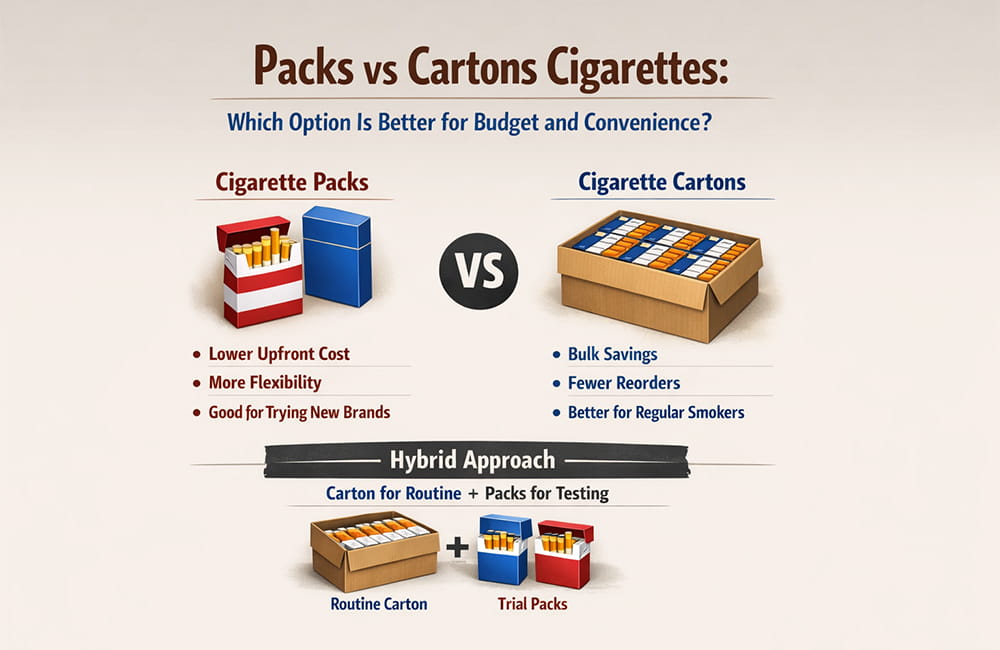
Packs vs Cartons Cigarettes: Which Option Is Better for Budget and Convenience?
Introduction If you regularly buy cigarettes, one of the most practical decisions you make is not just what brand to
Tobacco Regulations in Canada: What Consumers and Online Buyers Need to Know
Introduction Tobacco regulations in Canada are among the strictest in the world, designed to balance public health goals with legal

The Health Effects of Smoking in Canada: Comprehensive 2026 Guide
Smoking is the leading cause of preventable death in Canada. It causes over two dozen diseases, including lung cancer, heart disease, and COPD. Tobacco use contributes to approximately 48,000 deaths annually, impacting nearly every organ system in the human body.