Blog
Exploring the Tobacco Plant: From Seed to Smoke
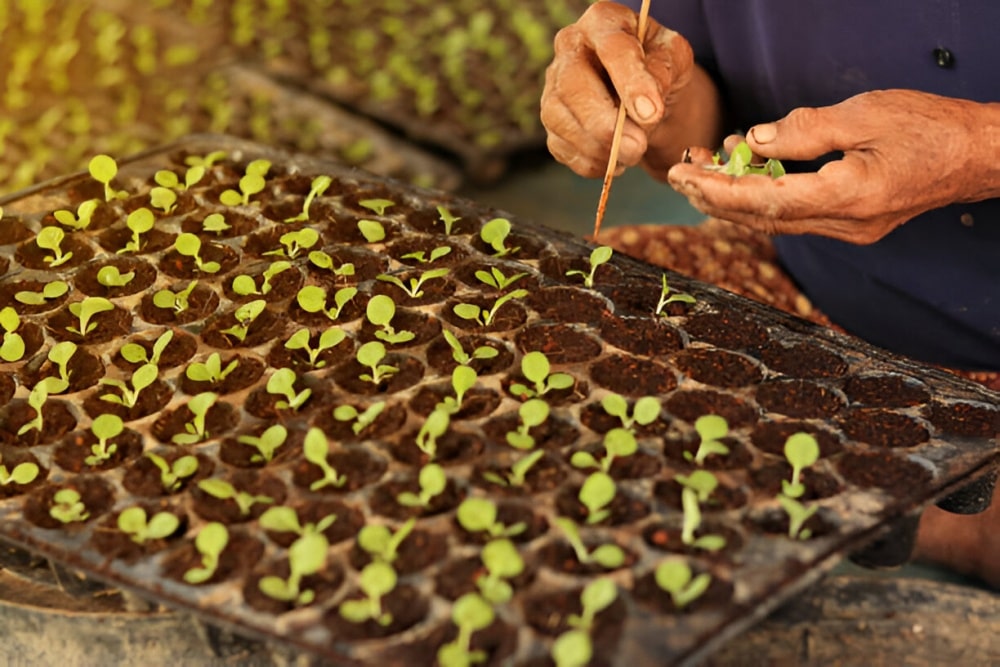
The journey of the tobacco plant from seed to smoke is a fascinating process that has been perfected over centuries. Tobacco has played a significant role in various cultures and economies around the world. In this blog post, we’ll explore the lifecycle of the tobacco plant, its cultivation, and how it transforms into the products enjoyed by smokers worldwide.
1. The Beginning: Understanding the Tobacco Seed
- Tobacco Seed: The journey of the tobacco plant begins with its tiny seeds. These seeds are so small that a single ounce can contain hundreds of thousands of seeds. Despite their size, these seeds are the foundation of the entire tobacco industry.
- Germination Process: The seeds are usually sown in trays or seedbeds in controlled environments to ensure they germinate successfully. This stage requires careful attention to temperature and moisture levels to promote healthy seedlings.
- Seedling Care: Once germinated, the seedlings are nurtured until they are strong enough to be transplanted into fields. This nurturing phase is critical for developing healthy plants that can withstand environmental stresses.
2. Cultivation and Growth of the Tobacco Plant
- Ideal Growing Conditions: Tobacco plants thrive in warm climates with well-drained soil. The choice of location and soil preparation are crucial for successful cultivation. Farmers often test soil pH and nutrient levels to optimize conditions for growth.
- Stages of Growth: Tobacco plants go through several growth stages, from the vegetative stage to flowering and maturation. Each stage requires specific care, including proper irrigation, pest management, and fertilization.
- Challenges in Cultivation: Farmers must be vigilant against pests and diseases that can affect tobacco plants. Integrated pest management strategies and crop rotation are commonly used to minimize these risks.
3. Harvesting the Tobacco Leaves
- Timing the Harvest: The timing of the harvest is critical. Leaves are typically harvested when they reach the desired level of maturity, which varies depending on the type of tobacco and the intended use.
- Harvesting Techniques: There are different methods for harvesting tobacco leaves. Some farmers use manual techniques, carefully picking each leaf, while others use mechanical harvesters for efficiency. Each method has its advantages and impacts the quality of the final product.
- Post-Harvest Handling: After harvesting, leaves are often sorted and graded based on quality. Proper handling during this stage is essential to preserve the integrity and flavor of the leaves.
4. Curing and Fermentation: The Art of Tobacco Processing
- Curing Process: Curing is a crucial step that transforms the harvested leaves into a product ready for consumption. This process involves drying the leaves to reduce moisture content and develop flavors. There are several curing methods, including air curing, flue curing, and sun curing, each imparting unique characteristics to the tobacco.
- Fermentation: After curing, the leaves undergo fermentation, which further enhances flavor and aroma. Fermentation involves stacking the leaves in piles or containers and allowing natural microbial processes to occur. This step can take several weeks to months, depending on the desired outcome.
- Quality Control: Throughout curing and fermentation, quality control measures are essential to ensure consistency and prevent spoilage. Skilled workers monitor temperature, humidity, and other factors to maintain optimal conditions.
5. Manufacturing: From Leaves to Cigarettes and Cigars
- Blending and Rolling: Once cured and fermented, the tobacco is ready for manufacturing. The leaves are blended to create specific flavor profiles, then rolled into cigarettes or cigars. This process requires precision and expertise to achieve the desired taste and quality.
- Packaging: After rolling, the products are packaged for distribution. Packaging plays a vital role in preserving freshness and protecting the product during transportation.
- Innovation in Manufacturing: The tobacco industry continually evolves, with manufacturers exploring new techniques and products to meet consumer demands. This includes the development of smokeless tobacco products and alternative nicotine delivery systems.
6. The Final Journey: From Smoke Shops to Smokers
- Distribution Channels: Tobacco products are distributed through various channels, including smoke shops, online retailers, and convenience stores. Each channel plays a role in making these products accessible to consumers.
- Role of Smoke Shops: Smoke shops like 1Smokes provide a curated selection of high-quality tobacco products. These shops often serve as hubs for enthusiasts to learn about different products and share experiences.
- Consumer Experience: For many smokers, the experience of enjoying tobacco is about more than just the product. It’s about the ritual, the flavor, and the connection to a centuries-old tradition.
Conclusion
The journey of the tobacco plant from seed to smoke is a testament to the skill and dedication of those involved in its cultivation and production. Understanding this process not only enhances appreciation for the product but also underscores the importance of quality and tradition in the tobacco industry.
Related Articles
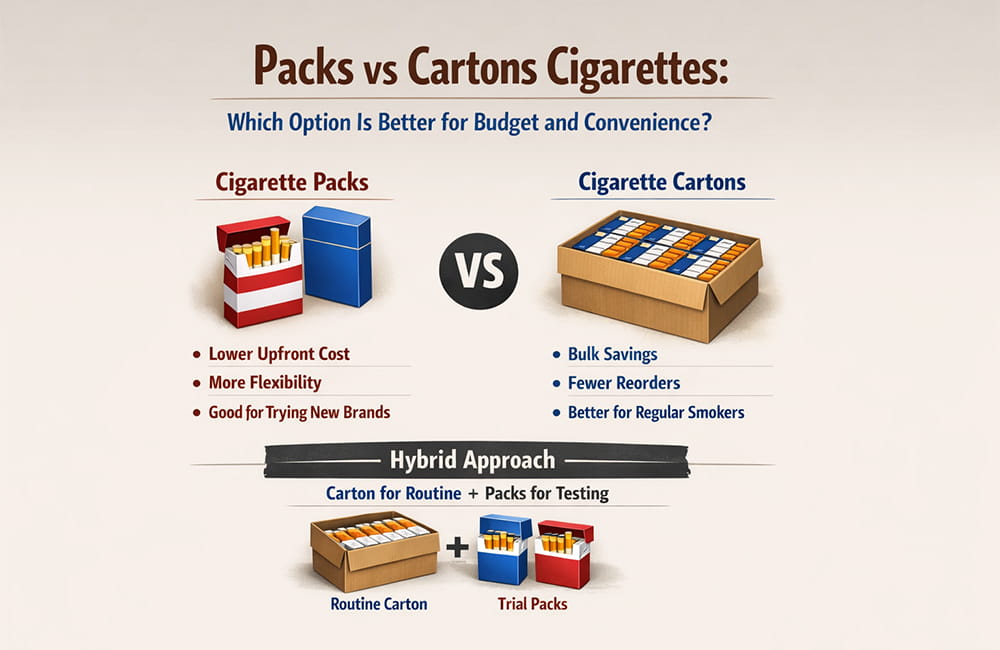
Packs vs Cartons Cigarettes: Which Option Is Better for Budget and Convenience?
Introduction If you regularly buy cigarettes, one of the most practical decisions you make is not just what brand to
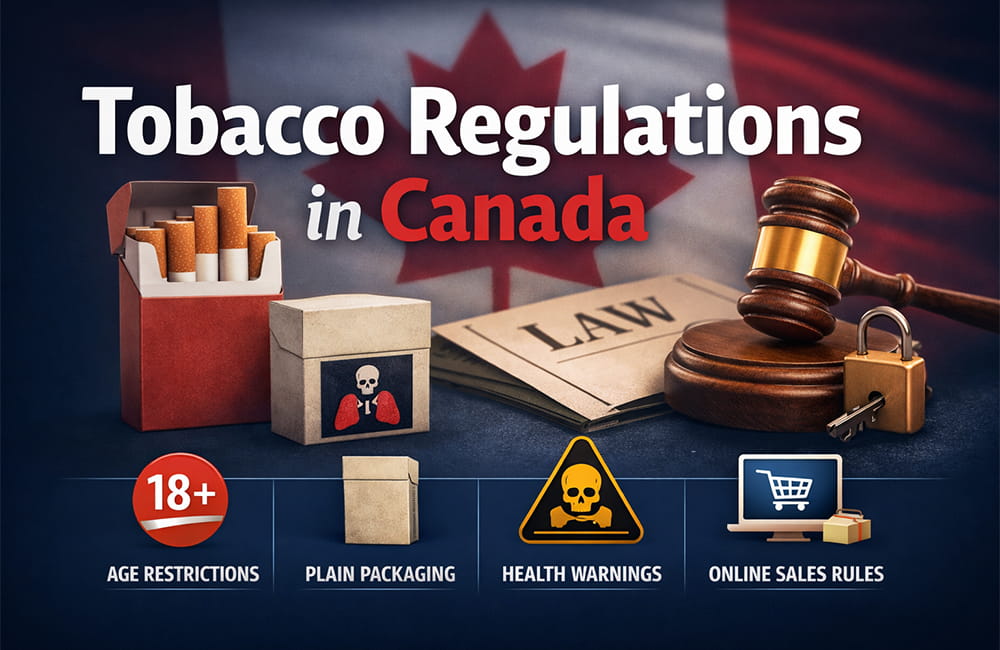
Tobacco Regulations in Canada: What Consumers and Online Buyers Need to Know
Introduction Tobacco regulations in Canada are among the strictest in the world, designed to balance public health goals with legal
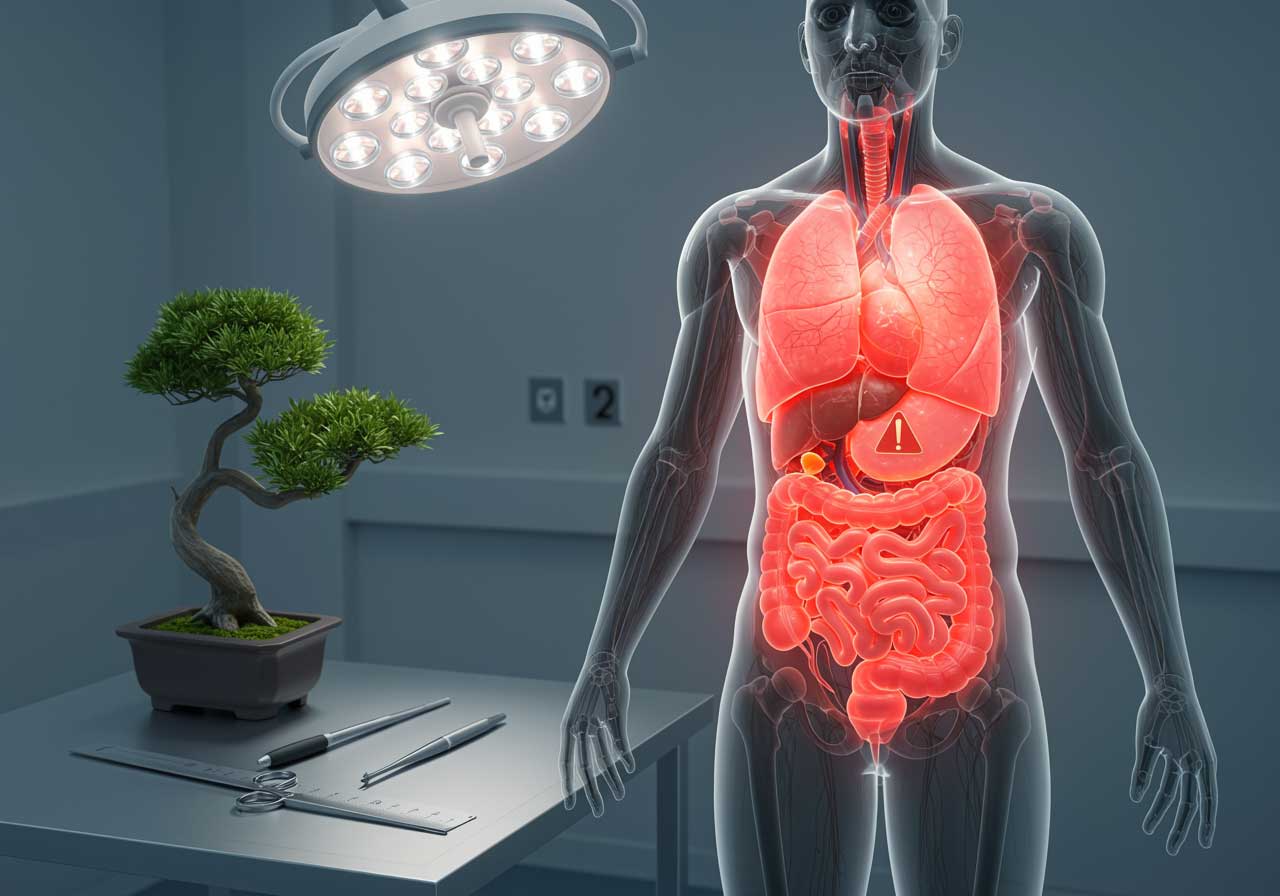
The Health Effects of Smoking in Canada: Comprehensive 2026 Guide
Smoking is the leading cause of preventable death in Canada. It causes over two dozen diseases, including lung cancer, heart disease, and COPD. Tobacco use contributes to approximately 48,000 deaths annually, impacting nearly every organ system in the human body.