Blog
Essential Guide: Regulations for Native Smokes in Canada
The sale and distribution of native smokes in Canada are deeply tied to history, culture, and complex legislative frameworks. For Indigenous communities, tobacco isn’t merely a product; it holds spiritual, ceremonial, and cultural significance. However, the regulations for native smokes in Canada have created challenges for Indigenous communities trying to balance traditional practices with modern business operations. With evolving laws and regulations, understanding the nuances of this topic is more important than ever. Let’s take a closer look at the historical context, the current regulatory framework, and the impact on Indigenous communities regarding native smokes in Canada.
History of Native Smokes in Canada
Indigenous peoples in Canada have used tobacco for thousands of years. Traditionally, tobacco served as a sacred plant used in ceremonies, prayers, and as a way to show gratitude to the Creator. Its importance cannot be understated, as it connects to the identity and traditions of Indigenous communities.
Over time, the commercialization of tobacco by non-Indigenous industries complicated this landscape. Indigenous entrepreneurs started producing and distributing “native smokes,” or cigarettes made on-reserve, often marketed under Indigenous-owned brands. These businesses aimed to support communities through economic development and offer a competitive edge to on-reserve businesses by providing tax-free products.
Pressure from governments to regulate the production and sale of native smokes grew over concerns surrounding taxation, organized crime, and public health. The regulations for native smokes in Canada became a focal point of tension between Indigenous autonomy and government efforts to oversee tobacco distribution.
Overview of Current Regulations
The regulations for native smokes in Canada are shaped by a web of federal and provincial laws. Here’s what you need to know about the key legislation that impacts Indigenous tobacco businesses:
1. Federal Tobacco Laws
At the federal level, the Tobacco and Vaping Products Act (TVPA) governs the manufacture, sale, labeling, and promotion of tobacco products nationwide. However, it doesn’t specifically address native smokes. Federal taxation laws, particularly the Excise Act, 2001, play a much bigger role by requiring all tobacco products to carry an excise stamp to ensure taxes have been paid.
This excise requirement poses issues for Indigenous entrepreneurs as they usually sell tax-free products on-reserve. The resulting conflict between tax policies and Indigenous business practices continues to challenge the effectiveness of the regulatory framework.
2. Provincial Tobacco Laws
Provincially, each region sets its own rules for tobacco tax, distribution, and sales. For native smokes, this often creates jurisdictional challenges. For instance, in Ontario, the Tobacco Tax Act mandates permits for manufacturing and stringent distribution guidelines, even on reserves. Products that lack provincial tax stamps are often labeled “contraband,” further complicating compliance and increasing tension.
Some Indigenous businesses, however, argue that these restrictions infringe on their cultural and economic independence. Most of the regulations for native smokes in Canada result in legal disputes and limitations on Indigenous entrepreneurs.
3. Jurisdictional Challenges
The interpretation of Indigenous self-governance under Section 35 of the Constitution Act, 1982 is a recurring issue. Many Indigenous leaders contend that producing and selling native smokes without interference falls within their scope of self-determination. Yet, both federal and provincial governments contest this position, creating a legal grey zone where regulations for native smokes in Canada are often unclear and disputed.
The Impact on Indigenous Communities
Native smokes represent more than just a business opportunity—they reflect the cultural and economic aspirations of Indigenous communities. Here’s how these regulations influence Indigenous people:
1. Economic Development
Tobacco production remains a vital economic pillar for several Indigenous communities. By manufacturing native smokes, local businesses create jobs, facilitate community investments, and contribute significantly to regional economic development.
However, many entrepreneurs find themselves restricted by the regulations for native smokes in Canada. Legal barriers prevent Indigenous businesses from expanding, forcing them to operate within narrow and highly scrutinized markets.
2. Cultural Significance
For many Indigenous groups, tobacco holds sacred value. Native smokes often extend traditional practices into the modern economy, offering a symbol of cultural pride and autonomy. Regulatory crackdowns, however, threaten to undermine this connection.
By enforcing rigid regulations for native smokes in Canada, governments risk further alienating Indigenous communities, who view these actions as intrusions on deeply rooted cultural practices.
3. Legal Conflicts and Tensions
Legal conflict is an ongoing concern. From raids on reserves to seizures of goods labeled as “contraband,” enforcement practices frequently strain relationships between Indigenous communities and authorities.
These incidents often escalate broader arguments over sovereignty and jurisdiction, with regulations for native smokes in Canada acting as a flashpoint for debate.
4. Public Perception
Mainstream media frequently describes native smokes as part of the contraband trade, harming the reputations of legitimate Indigenous businesses. This portrayal not only fails to acknowledge their economic and cultural importance but also increases scrutiny on Indigenous entrepreneurs, highlighting the divisive impact of existing regulations.
Recent Changes and Updates in Tobacco Laws
Though the regulatory framework is often contentious, recent updates offer some signs of progress and predict potential changes in the future:
1. Pilot Projects for Collaboration
Some provinces are introducing pilot programs to bring Indigenous communities into the regulation process for native smokes. Manitoba is a prime example, where such initiatives have aimed to strike a balance between Indigenous economic autonomy and government oversight.
These programs could potentially redefine the regulations for native smokes in Canada into a more collaborative and mutually beneficial system.
2. Heightened Enforcement
Despite these efforts, federal and provincial governments have stepped up enforcement actions. Large seizures of goods and tighter controls on tobacco distribution remain prominent, often in direct violation of what Indigenous leaders consider their sovereign rights.
3. Indigenous Sovereignty Movements
Indigenous communities are increasingly advocating for sovereignty over tobacco businesses. Leaders are proposing self-regulated systems that allow them to design and enforce their own laws, rather than adhering to external frameworks.
4. Calls for Reconciliation
Canada’s reconciliation efforts include calls for regulatory policies that respect Indigenous rights. Many advocates believe the regulations for native smokes in Canada require significant reevaluation to support Indigenous businesses while addressing broader public concerns like taxation and health.
Moving Toward a Balanced Future
Navigating the regulations for native smokes in Canada is undoubtedly complex, involving cultural, legal, and economic considerations. A balanced approach—one that respects Indigenous self-governance while maintaining public health accountability—is essential. Collaboration, mutual respect, and open communication between governments and Indigenous leaders will be key.
Native smokes symbolize more than economic progress. They represent cultural resilience, local empowerment, and Indigenous efforts to carve out their space within Canada’s legal framework. Governments must strive to develop inclusive policies that support these efforts without compromising wider regulatory objectives.
For all involved, whether consumers, business owners, or policymakers, understanding the layered dynamics of regulations for native smokes in Canada is crucial.
Related Articles
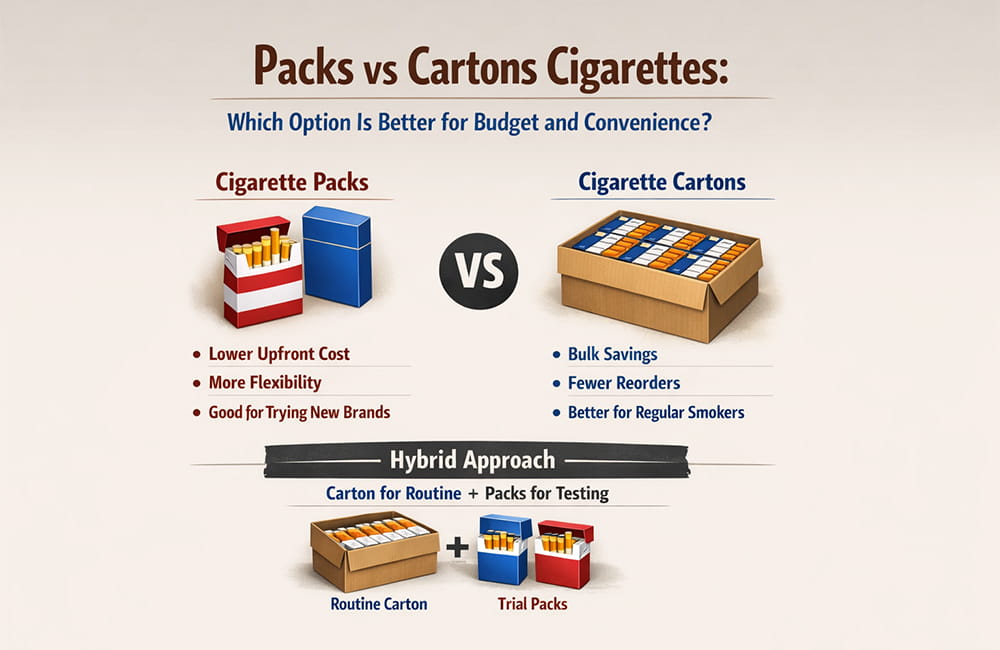
Packs vs Cartons Cigarettes: Which Option Is Better for Budget and Convenience?
Introduction If you regularly buy cigarettes, one of the most practical decisions you make is not just what brand to
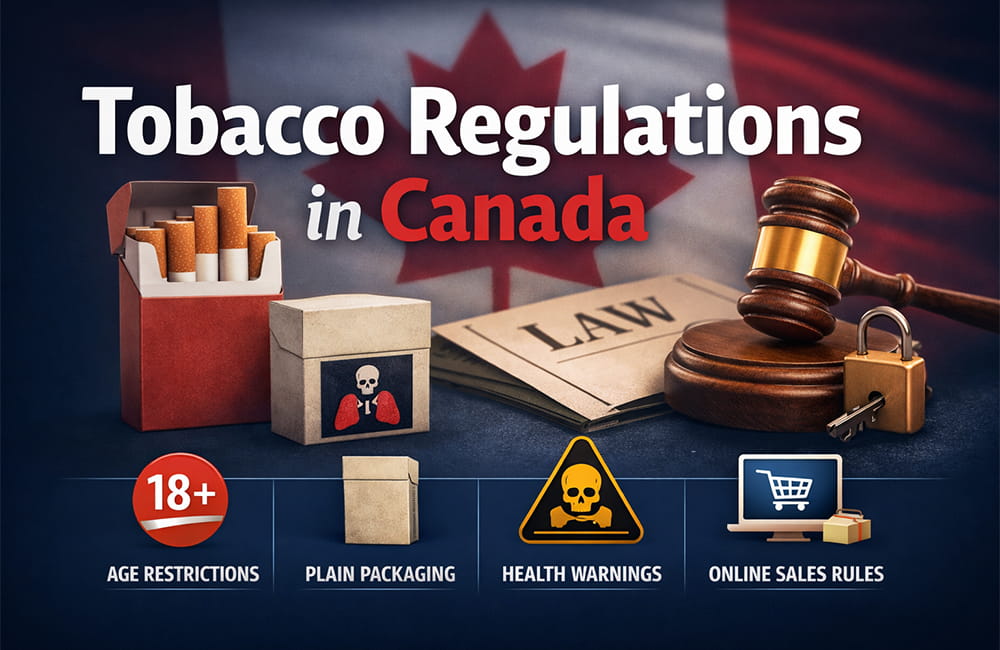
Tobacco Regulations in Canada: What Consumers and Online Buyers Need to Know
Introduction Tobacco regulations in Canada are among the strictest in the world, designed to balance public health goals with legal

The Health Effects of Smoking in Canada: Comprehensive 2026 Guide
Smoking is the leading cause of preventable death in Canada. It causes over two dozen diseases, including lung cancer, heart disease, and COPD. Tobacco use contributes to approximately 48,000 deaths annually, impacting nearly every organ system in the human body.