Introduction
When it comes to weight loss, people will try almost anything—from the latest diet fads to intense workout routines. But what about nicotine? For decades, there’s been a lingering question: Does nicotine really make you lose weight? Let’s cut through the myths and get to the science-backed facts, so you can make informed decisions for your health and lifestyle.
What Is Nicotine?
Nicotine is a naturally occurring chemical found primarily in tobacco plants. It’s most commonly consumed through smoking cigarettes, vaping, or chewing tobacco. While it is infamous for its addictive properties, it also has some lesser-known effects on the body—particularly when it comes to metabolism and appetite.
The Weight Loss Connection: Where Did This Idea Come From?
If you’ve ever heard someone say, “Smoking helps you stay thin,” you’re not alone. This idea has been around for generations, often perpetuated by old Hollywood movies and even some misinformed health professionals in the past. But why do people believe nicotine leads to weight loss?
The answer lies in how these product interacts with your body’s central nervous system. When you consume nicotine, it stimulates the release of neurotransmitters like dopamine and norepinephrine. These chemicals can:
- Suppress appetite
- Increase metabolic rate
- Boost energy levels temporarily
But before you reach for a cigarette thinking it’s a weight-loss shortcut, let’s dig deeper into the science—and the risks.
How Nicotine Affects Your Body and Weight
1. Appetite Suppression
Nicotine Pouches acts as an appetite suppressant. It stimulates certain pathways in the brain that reduce feelings of hunger. This is why many smokers report eating less when they use.
2. Increased Metabolism
It can cause a slight uptick in your metabolic rate. This means your body burns calories a bit faster than usual. Some studies suggest that smokers burn an extra 50-200 calories per day compared to non-smokers.
3. Energy Boost
By stimulating the central nervous system, nicotine can make you feel more alert and energetic for a short period. This may make you more likely to move around, further increasing calorie burn.
The Other Side: Health Risks and Myths
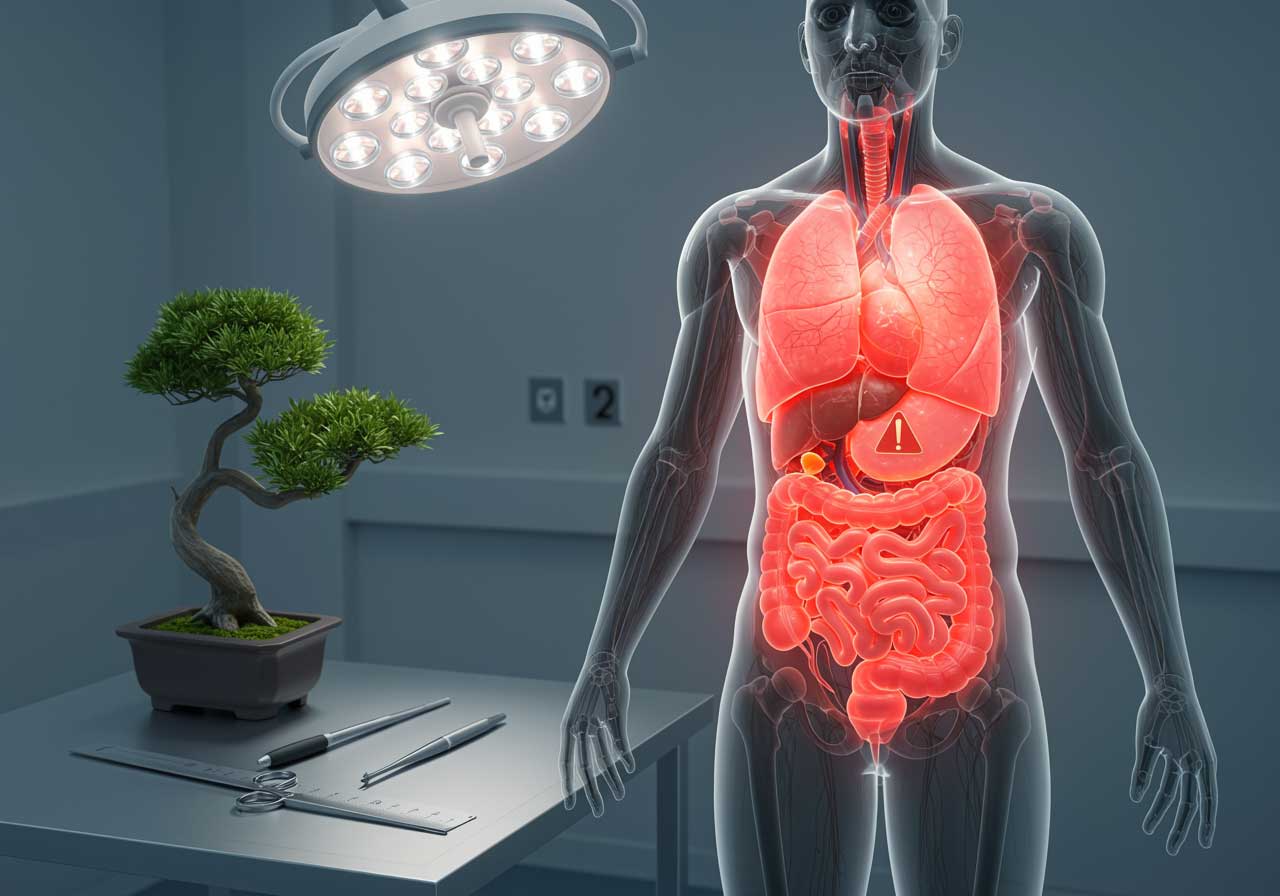
While the above points sound appealing if you’re looking to lose weight, it’s important to consider the serious health risks associated with pouches and tobacco use:
- Addiction: Nicotine is highly addictive, making it hard to quit once you start.
- Heart Disease: Smoking is a leading cause of heart attacks and strokes.
- Cancer: Tobacco use is linked to multiple cancers, especially lung cancer.
- Respiratory Issues: Smoking damages your lungs, leading to chronic diseases like COPD.
Myth Busted:
While it may suppress appetite and slightly increase metabolism, the risks far outweigh any potential weight loss benefits. Plus, any weight lost through nicotine use is usually minor and comes at a high cost to your health.
What Happens When You Quit?
Many people worry about gaining weight when they quit smoking or using nicotine products. This concern isn’t unfounded—on average, people gain about 5-10 pounds after quitting. Here’s why:
- Appetite Returns: Without the nicotine appetite-suppressing effects, you may feel hungrier.
- Slower Metabolism: Your metabolic rate may decrease slightly.
- Oral Fixation: Some people replace cigarettes with snacks, leading to increased calorie intake.
Good News:
The health benefits of quitting nicotine far outweigh the risk of a few extra pounds. Plus, with the right strategies, you can manage your weight after quitting.
Healthy Ways to Manage Weight
If you’re looking to lose weight or keep it off, there are far safer and more effective methods than relying on nicotine:
- Eat a Balanced Diet: Focus on whole foods—fruits, vegetables, lean proteins, and whole grains.
- Stay Active: Aim for at least 150 minutes of moderate exercise per week.
- Get Enough Sleep: Poor sleep can mess with your hunger hormones and metabolism.
- Manage Stress: Stress can trigger cravings for both nicotine and unhealthy foods. Try meditation or deep breathing.
Key Takeaways: Does Nicotine Make You Lose Weight?
- Yes, but… it can suppress appetite and slightly increase metabolism, leading to minor weight loss.
- The risks outweigh the benefits: The dangers of nicotine and tobacco use far exceed any potential benefit for weight management.
- Healthier alternatives exist: Focus on proven, safe methods for weight loss and maintenance.
Final Thoughts
While the idea that “nicotine makes you lose weight” has some scientific basis, it’s not a healthy or sustainable solution. The best way to achieve and maintain a healthy weight is through balanced nutrition, regular exercise, and healthy lifestyle habits.
If you’re struggling with weight management or considering quitting nicotine, there are plenty of resources and support systems available. Your health is worth more than a few lost pounds—choose wellness over quick fixes.
Ready to make a change or want to learn more about healthy living?
Stay tuned to the 1Smokes blog for more science-backed tips, wellness insights, and the latest news in the world of smoking and tobacco alternatives.