Blog
Cigarette Safety: Tips for Responsible Smoking
Table of Contents
Smoking is a deeply personal choice, often tied to social, cultural, or individual reasons. However, it’s crucial to approach smoking with a sense of responsibility and awareness of its potential health impacts. This guide on Cigarette Safety aims to provide practical tips for responsible smoking, focusing on safety, health considerations, and environmental awareness.
Understanding the Risks
- Health Implications: Cigarette Safety starts with understanding the well-documented health risks associated with smoking, such as lung cancer, heart disease, and respiratory illnesses. Regular check-ups can help catch potential issues early.
- Secondhand Smoke: Secondhand smoke affects non-smokers, leading to health problems like asthma and increased risk of heart disease. Cigarette Safety involves always being considerate of others, especially in shared spaces.
- Environmental Impact: Cigarette butts are one of the most littered items globally, contributing to environmental pollution. Understanding this impact is a crucial aspect of Cigarette Safety, encouraging more responsible disposal habits.
Choosing the Right Cigarettes
- Quality Matters: Selecting high-quality cigarettes, such as Native cigarettes, can provide a more authentic experience with fewer additives. This choice is an important part of Cigarette Safety, as these are often crafted using traditional methods that many find preferable.
- Avoid Counterfeit Products: Fake cigarettes can contain harmful substances not found in genuine products. Look for trusted brands and check for authenticity markers to ensure Cigarette Safety.
Safe Smoking Practices
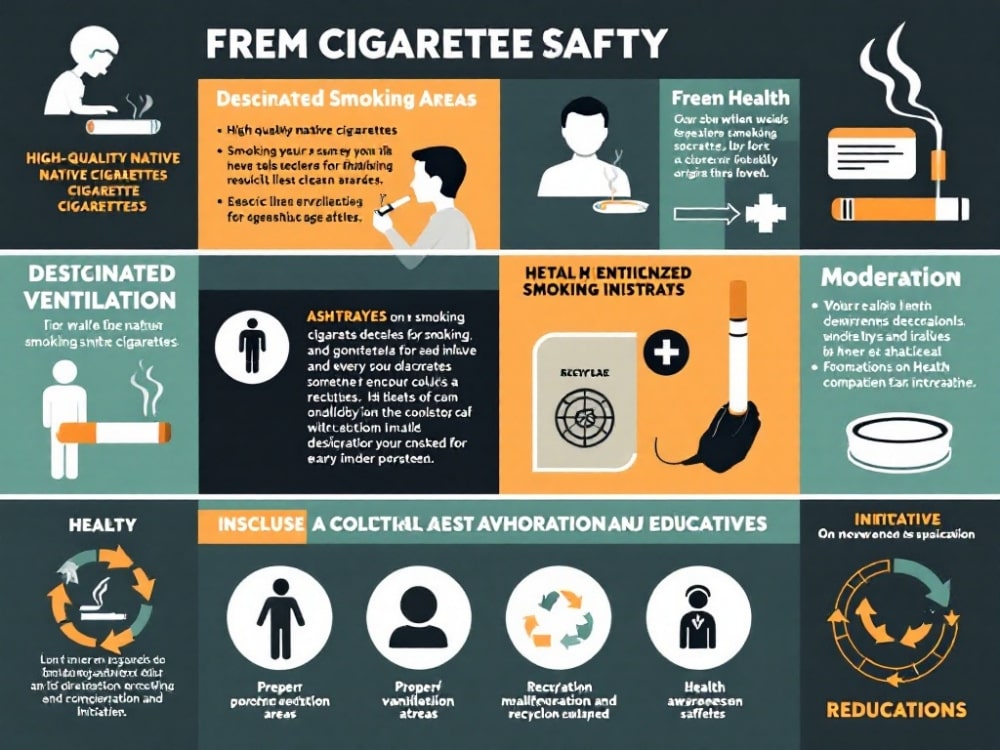
- Designated Smoking Areas: Smoking in designated areas helps protect non-smokers and reduces the risk of fires. These areas are usually equipped with proper disposal units and ventilation, enhancing Cigarette Safety.
- Proper Ventilation: When smoking indoors, ensure the space is well-ventilated. This reduces the concentration of smoke and its lingering effects on furniture and fabrics, contributing to overall Cigarette Safety.
- Use of Ashtrays: Always use ashtrays to dispose of cigarette butts. This practice reduces litter and minimizes the risk of accidental fires, a simple yet effective Cigarette Safety measure.
Reducing Health Risks
- Moderation is Key: Moderation can significantly reduce health risks. Consider setting personal limits on consumption and be aware of the signs of dependency, a key part of Cigarette Safety.
- Regular Health Check-ups: Regular visits to a healthcare provider can help monitor any smoking-related health issues, providing peace of mind and early intervention if needed.
- Explore Alternatives: For those looking to cut back or quit, alternatives like e-cigarettes, nicotine patches, or gum can be beneficial. These options can provide nicotine without some of the harmful effects of smoking.
Educating Yourself and Others
- Stay Informed: The landscape of tobacco products and health research is always evolving. Staying updated with the latest studies and findings is essential for Cigarette Safety.
- Share Knowledge: Sharing information about responsible smoking practices can help create a community of informed smokers who prioritize Cigarette Safety.
Mindful Smoking
- Enjoy the Experience: Smoking can be more enjoyable when done mindfully, focusing on the flavors and sensations rather than as a routine habit. This approach can also help reduce consumption.
- Pairing with Social Activities: Integrating smoking with social activities can make it a more conscious choice. This approach often leads to more mindful consumption and enjoyment.
Smoking and Legal Regulations
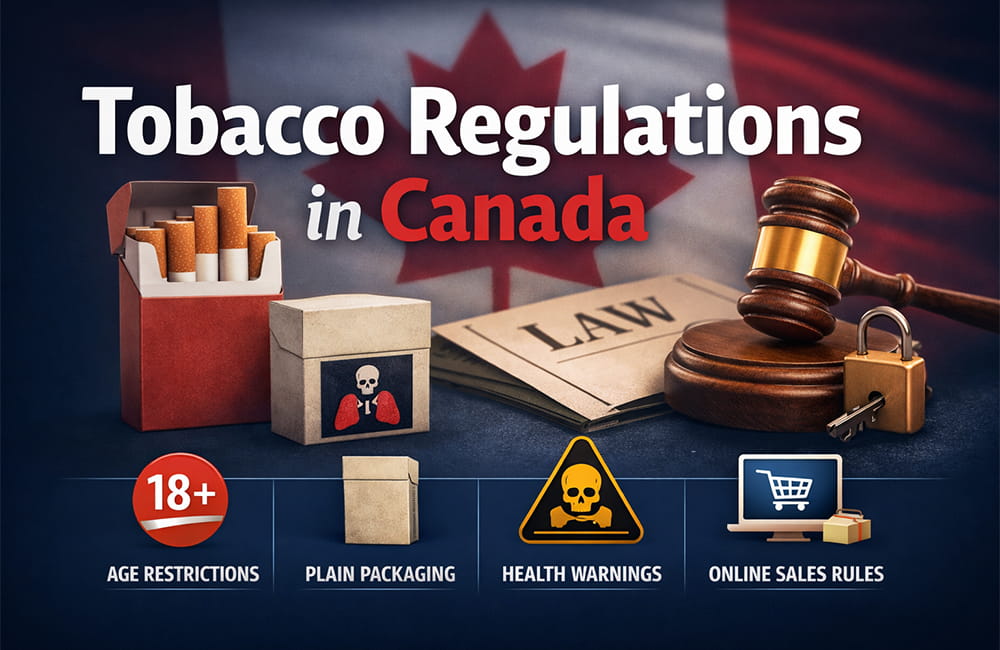
- Know the Laws: Familiarize yourself with local smoking laws, as they can vary widely. Compliance not only avoids legal issues but also promotes community harmony.
- Respect Public Spaces: Many public areas have smoking bans to protect non-smokers and reduce litter. Always respect these regulations to maintain a positive public image.
Encouraging Responsible Disposal
- Cigarette Waste: Cigarette butts can take years to decompose, leaching toxins into the environment. Use proper disposal methods to minimize this impact.
- Recycling Initiatives: Some regions offer recycling programs for cigarette waste. Participating in these initiatives can significantly reduce environmental harm.
Conclusion
While smoking is a personal choice, approaching it with responsibility can mitigate its risks. By following these Cigarette Safety tips, smokers can enjoy their experience more mindfully, prioritizing their health and the environment. Making informed decisions leads to a more balanced lifestyle, benefiting both the individual and the community.
Related Articles