Blog
Canadian Smoking Laws for Minors: Youth Protection
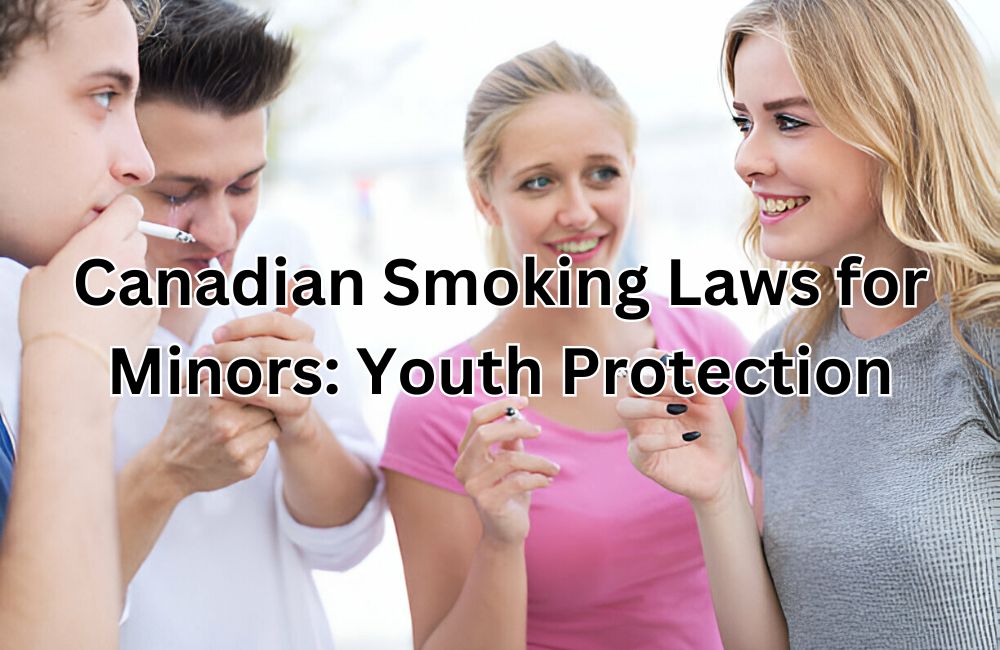
Canada has made remarkable strides in safeguarding the health and well-being of its citizens, especially younger generations. One area where this commitment is evident is in the stringent smoking laws aimed at reducing youth tobacco use. With a focus on both prevention and enforcement, Canadian Smoking Laws for Minors are designed not only to limit access to tobacco products but also to foster a smoke-free future. This blog dives into the laws, policies, and community efforts that prioritize youth smoking prevention in Canada.
An Overview of Canadian Smoking Laws for Minors
Canadian Smoking Laws for Minors reflect a firm stance against underage smoking. These laws are embedded within both federal and provincial legislation, creating a robust framework to protect minors from the harmful effects of tobacco. The Tobacco and Vaping Products Act (TVPA) is a key federal law governing smoking and vaping regulations, including those specifically targeting minors.
The TVPA prohibits the sale of smoking and vaping products to minors under a standardized minimum legal age of 18 or 19, depending on the province or territory. It also enforces stringent rules on advertising, product packaging, and flavors to discourage youth from starting smoking. Combined with provincial regulations, this unified approach ensures that efforts to enforce Canadian Smoking Laws for Minors are robust and consistent throughout the country.
What Is the Legal Age for Purchasing Tobacco in Canada?
The legal age to purchase tobacco varies slightly between provinces and territories:
- 18 years old in Alberta, Saskatchewan, Manitoba, and Quebec.
- 19 years old in British Columbia, Ontario, Nova Scotia, Newfoundland and Labrador, and other provinces.
This age restriction aligns with Canadian Smoking Laws for Minors, which aim to delay young people’s exposure to tobacco products. Research has shown that most smokers begin during their youth, so preventing early access significantly reduces the likelihood of long-term addiction.
These laws are rigorously enforced across Canada. Retailers found selling tobacco to minors face heavy penalties, including fines or suspension of their business licenses.
Restrictions on Advertising and Selling Tobacco to Minors
One of the strongest tools in combating youth smoking is regulating how tobacco products are marketed and sold. According to Canadian Smoking Laws for Minors and the TVPA, tobacco advertising campaigns cannot:
- Target children or youth through imagery, language, or themes.
- Use promotional giveaways or loyalty programs to attract buyers.
- Be displayed in areas where minors are likely to see them, such as near schools or at events aimed at youth.
Additionally, Canada’s plain packaging laws have eliminated colorful designs and enticing branding. Tobacco packages feature uniform colors, alongside graphic health warnings and images of smoking-related dangers. This approach ensures youth are exposed to the harsh realities of smoking, rather than glamorized representations.
Retailers, for their part, are required to verify the age of all buyers appearing under the legal age. The enforcement of Canadian Smoking Laws for Minors in these transactions ensures compliance and accountability among vendors.
Addressing Vaping Among Minors
The rise of vaping has introduced new challenges for Canadian Smoking Laws for Minors. E-cigarettes and related devices are subject to similar regulations as traditional tobacco. This means the same age limits and advertising restrictions apply to vaping products. Additionally, flavored vape options, which are particularly appealing to younger users, are now banned or heavily regulated in most provinces.
Efforts to adapt these laws to emerging products are crucial in maintaining their effectiveness and relevance in protecting youth.
The Role of Schools and Communities in Preventing Youth Smoking
While laws provide a foundational framework, education and community involvement are essential to the success of Canadian Smoking Laws for Minors. Schools and neighborhoods are vital in creating an environment that discourages smoking and educates young people about its risks.
Educational Initiatives in Schools
Schools across Canada take an active part in preventing smoking among students. Programs like Smoke-Free Schools and Youth Quit Smoking Initiatives teach students about the dangers of smoking and vaping. They also offer tools and strategies to help students resist peer pressure.
Interactive sessions, testimonials from former smokers, and workshops on decision-making are common elements of these programs. By integrating health education into the school curriculum, Canadian Smoking Laws for Minors are backed by a proactive and informed youth population.
Community Outreach Efforts
Beyond schools, community campaigns amplify the message of Canadian Smoking Laws for Minors. Local governments and organizations often collaborate to organize anti-smoking awareness days or events. Social media campaigns, public art installations, and clean-air rallies further educate the public about the risks of smoking and promote smoke-free living.
Programs like these ensure that the anti-smoking message resonates beyond legislature, embedding itself in the values of Canadian society.
The Impact of Canadian Smoking Laws for Minors on Youth Smoking Rates
There’s no denying the positive impact of Canadian Smoking Laws for Minors. Over the last two decades, youth smoking rates have steadily declined across the country. Statistics show that fewer teenagers are picking up smoking compared to earlier generations, showcasing the effectiveness of Canada’s strong tobacco regulations and prevention measures.
How the Laws Are Making a Difference
- Limited Access to Tobacco: Strict age verification processes and bans on sales to minors significantly reduce opportunities for youth experimentation.
- Effective Enforcement: Steep penalties for non-compliance ensure that retailers adhere closely to Canadian Smoking Laws for Minors.
- Awareness Campaigns: Plain packaging, graphic labels, and frequent public health campaigns discourage youth from viewing smoking as desirable or trendy.
Despite the progress made, vaping remains an emerging issue. Continuing to address this challenge is vital to maintaining the downward trend in youth smoking rates.
Future Improvements to Canadian Smoking Laws for Minors
Although current regulations are working, there’s always room for improvement. Potential advancements to Canadian Smoking Laws for Minors could include expanding bans on flavored vaping products, increasing funding for anti-smoking education, and imposing stricter penalties for violations.
Parents also play a pivotal role in protecting youth from tobacco’s harmful effects. By fostering open and honest conversations about smoking and sharing its consequences, families can reinforce the value of smoke-free living.
At the community level, the fight against youth smoking continues. Expanded educational initiatives, creative outreach efforts, and persistent legislative updates are all part of the solution.
A Smoke-Free Future for Canada’s Youth
Canadian Smoking Laws for Minors stand as a model for how to protect young generations from the dangers of tobacco. With a combination of comprehensive legislation, school programs, and community involvement, Canada is successfully reducing youth smoking rates. However, the work is far from over.
For parents, educators, and public health advocates, staying informed is key to maintaining progress. Together, communities and governments can ensure Canadian Smoking Laws for Minors not only remain effective but continue to adapt to emerging challenges like vaping.
By uniting efforts at all levels—national, local, and personal—the dream of a smoke-free future for Canada’s youth is achievable. With determination, education, and prevention at the core, we can safeguard the health of generations to come.
Related Articles
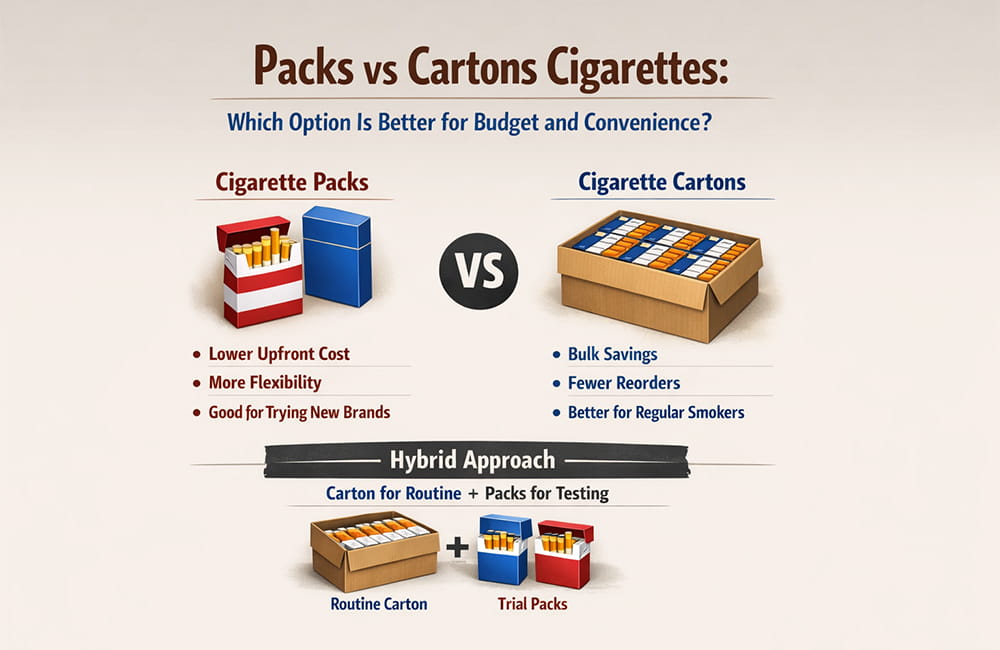
Packs vs Cartons Cigarettes: Which Option Is Better for Budget and Convenience?
Introduction If you regularly buy cigarettes, one of the most practical decisions you make is not just what brand to
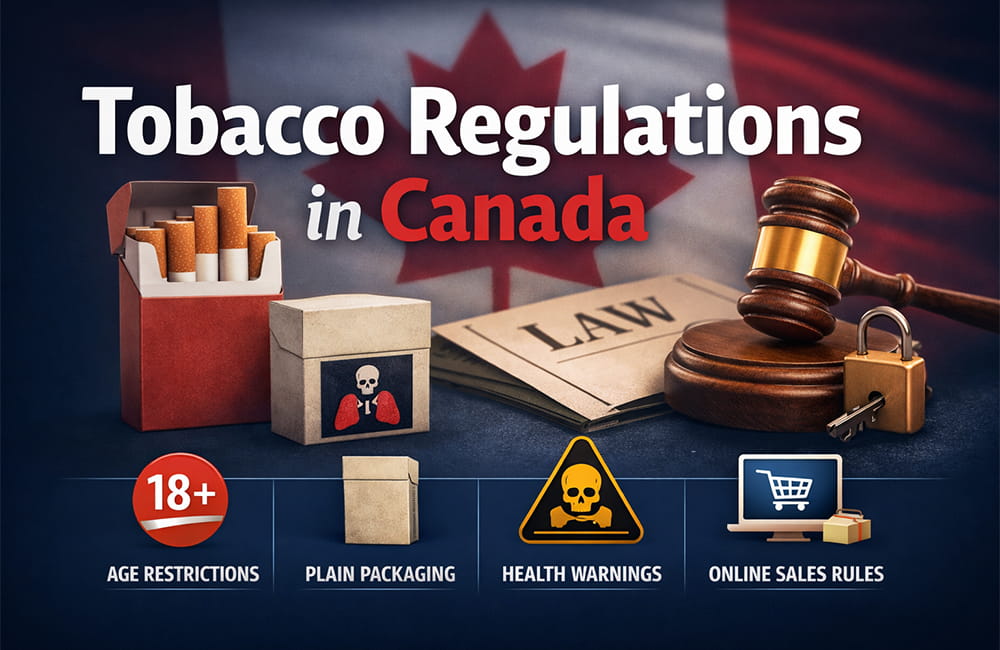
Tobacco Regulations in Canada: What Consumers and Online Buyers Need to Know
Introduction Tobacco regulations in Canada are among the strictest in the world, designed to balance public health goals with legal

The Health Effects of Smoking in Canada: Comprehensive 2026 Guide
Smoking is the leading cause of preventable death in Canada. It causes over two dozen diseases, including lung cancer, heart disease, and COPD. Tobacco use contributes to approximately 48,000 deaths annually, impacting nearly every organ system in the human body.