Blog
Which is Better for Cannabis Decriminalization or Legalization?
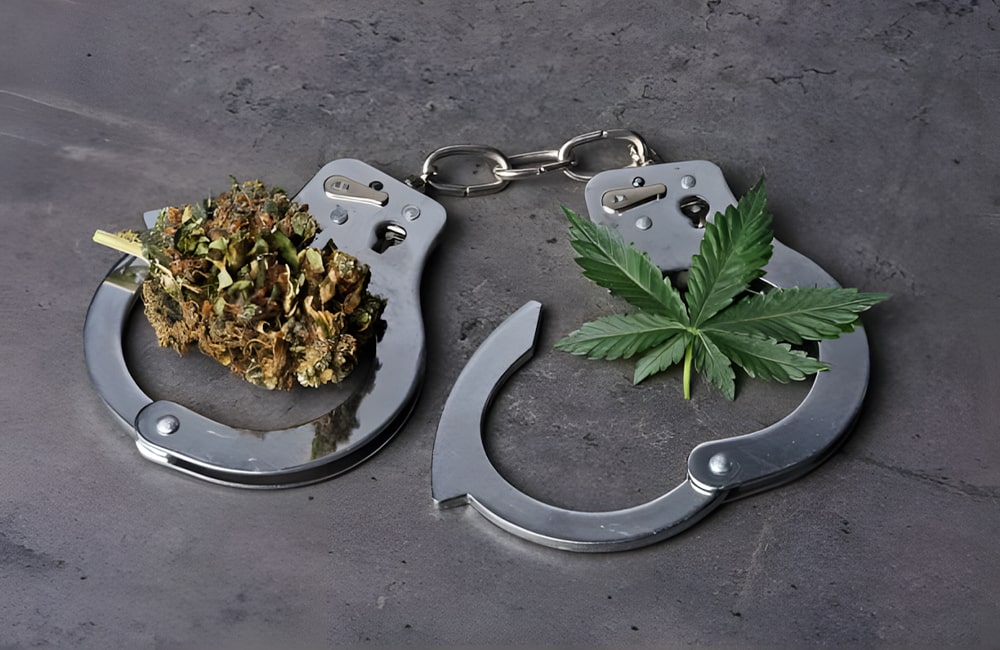
Cannabis has been at the forefront of political and legal debates worldwide, leading to discussions about Cannabis Decriminalization or Legalization. While both approaches aim to reduce the negative effects of prohibition, they differ significantly in their legal implications, economic impact, and effects on public health. But which is the better path forward? This blog explores the differences between Cannabis Decriminalization or Legalization, weighing their pros and cons to determine the best approach for consumers and society.
Understanding Cannabis Decriminalization
Cannabis Decriminalization reduces criminal penalties for possessing small amounts of cannabis, typically resulting in fines instead of jail time. However, it does not create a legal market for selling or distributing cannabis. Many jurisdictions have adopted decriminalization as a middle ground between prohibition and full legalization.
Pros of Decriminalization
- Reduced Legal Consequences – People caught with cannabis avoid jail time and criminal records.
- Less Burden on Law Enforcement – Decriminalization allows authorities to focus on serious crimes.
- Social Justice Benefits – It reduces racial disparities in cannabis-related arrests.
Cons of Decriminalization
- No Regulated Market – Consumers still rely on the illegal market for cannabis.
- Lack of Consumer Protection – No safety regulations mean risks of contaminated products.
- Limited Economic Benefits – No tax revenue or legal business opportunities.
Understanding Cannabis Legalization
Cannabis Legalization allows the regulated sale and use of cannabis, similar to alcohol or tobacco. Legalized cannabis is subject to quality control, taxation, and consumer protections.
Pros of Legalization
- Regulated and Safe Market – Consumers can access tested and labeled products.
- Economic Growth and Tax Revenue – Legalization boosts jobs and generates government revenue.
- Reduced Black Market Activity – A legal market weakens illegal cannabis trade.
Cons of Legalization
- Potential for Increased Use – Legal access may lead to higher consumption rates.
- Regulatory Challenges – Governments must establish strict policies to manage the market.
- Federal Conflicts – In some countries, state legalization conflicts with national laws.
Cannabis Decriminalization or Legalization: Which Is Better?
The debate over Cannabis Decriminalization or Legalization ultimately depends on what a society hopes to achieve through cannabis reform. Let’s compare key aspects of both approaches to determine which is more beneficial.
1. Economic Impact
When it comes to financial benefits, Cannabis Legalization clearly surpasses decriminalization. Countries and states that have legalized cannabis, such as Canada and Colorado, have generated billions in tax revenue. These funds have been reinvested into education, public health programs, and infrastructure.
On the other hand, decriminalization does not create a legal market, meaning governments miss out on tax revenue, and illegal dealers continue to profit. If economic growth is a priority, legalization is the better option.
2. Public Health and Safety
Legalization provides a framework for quality control, ensuring consumers access safe, tested cannabis products. In contrast, decriminalization does not regulate cannabis sales, leaving consumers at risk of purchasing untested, potentially harmful products from the black market.
Additionally, legalization allows for responsible consumption regulations, such as age restrictions, driving laws, and public education on safe cannabis use. For those concerned about public health, legalization offers more safeguards than decriminalization.
3. Criminal Justice and Social Equity
Both Cannabis Decriminalization or Legalization help reduce arrests for minor cannabis offenses, but legalization goes a step further. In many legal markets, expungement programs clear past cannabis convictions, helping individuals who were disproportionately affected by prohibition.
Decriminalization prevents new arrests but does not necessarily correct past injustices or provide new opportunities for those previously penalized for cannabis-related crimes.
4. Impact on the Black Market
One of the biggest flaws of decriminalization is that it does nothing to curb the illegal cannabis trade. Since selling cannabis remains illegal, black market operations continue to thrive, often engaging in unsafe practices.
Legalization, however, creates a competitive legal industry that reduces the influence of illegal sellers. By offering consumers a safer, regulated alternative, legal markets can significantly weaken the illicit trade.
5. Consumer Accessibility and Freedom
Decriminalization does not provide consumers with legal, safe access to cannabis—it merely reduces penalties for possession. This means consumers still have to rely on unregulated sources.
Legalization, on the other hand, provides consumers with legal purchasing options through licensed dispensaries. This ensures product safety and allows consumers to make informed choices about what they are consuming.
Final Verdict: Is Cannabis Decriminalization or Legalization the Best Option?
While Cannabis Decriminalization or Legalization both offer improvements over prohibition, legalization provides a more effective, long-term solution. It creates a safer, regulated market, generates economic benefits, reduces crime, and offers consumers legal access to tested products.
However, decriminalization can be a stepping stone toward legalization, helping societies transition into a legal cannabis framework while reducing immediate harm from prohibition laws.
As more countries and states reconsider their cannabis policies, the shift toward legalization is becoming increasingly popular. The future of cannabis reform will likely continue to move in this direction, providing consumers with safer and more accessible options while benefiting the economy and public health.
Ultimately, Cannabis Decriminalization or Legalization should be approached with careful planning and consideration of each society’s unique needs. Whether a country chooses to decriminalize or legalize, cannabis reform is an essential step toward a more just and progressive policy framework.
Related Articles
Packs vs Cartons Cigarettes: Which Option Is Better for Budget and Convenience?
Introduction If you regularly buy cigarettes, one of the most practical decisions you make is not just what brand to
Tobacco Regulations in Canada: What Consumers and Online Buyers Need to Know
Introduction Tobacco regulations in Canada are among the strictest in the world, designed to balance public health goals with legal

The Health Effects of Smoking in Canada: Comprehensive 2026 Guide
Smoking is the leading cause of preventable death in Canada. It causes over two dozen diseases, including lung cancer, heart disease, and COPD. Tobacco use contributes to approximately 48,000 deaths annually, impacting nearly every organ system in the human body.